Imagine walking into a space enveloped in the calming embrace of lavender or the invigorating zest of citrus, instantly transforming your mood and elevating your surroundings. This isn’t just a pleasant thought; it’s the everyday reality for those who harness the power of an essential oil diffuser. These elegant devices are more than just scent dispensers; they are gateways to a world of aromatherapy and holistic wellness, offering a simple yet profound way to enhance your physical and emotional well-being. Whether you’re seeking tranquility, focus, or simply a fresher atmosphere, understanding essential oil diffusers is the first step toward creating your ideal sanctuary.
What is an Essential Oil Diffuser?
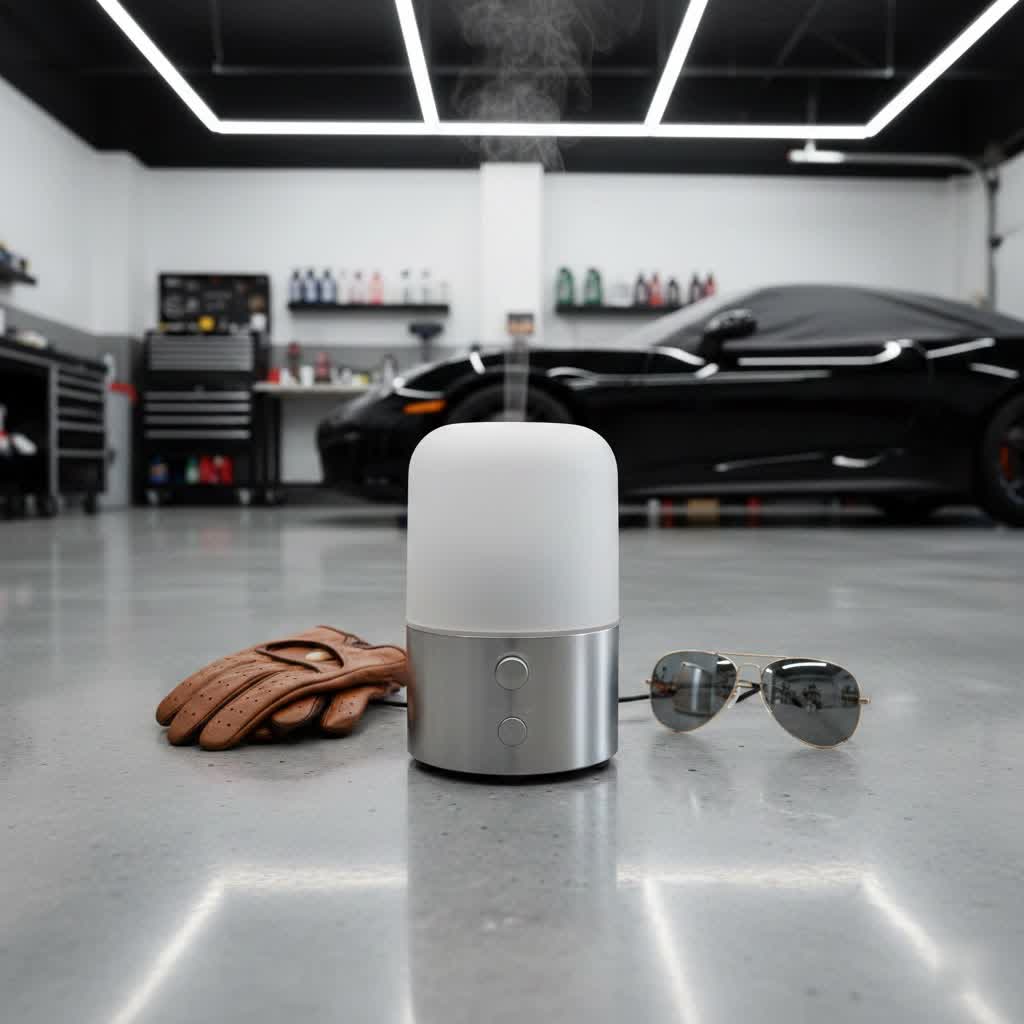
An essential oil diffuser is a device designed to disperse microscopic particles of essential oils into the air, allowing you to inhale their aromatic and therapeutic compounds. These sophisticated tools bring the ancient practice of aromatherapy into modern homes and offices, making it effortless to enjoy the concentrated essences derived from plants. The fundamental purpose of a diffuser is to enhance the ambiance of a space with natural fragrances while promoting various aspects of well-being, from relaxation to improved concentration. Over time, these devices have evolved significantly, offering diverse methods to deliver aromatic bliss right into your environment.
The Multifaceted Benefits of Using an Essential Oil Diffuser
Integrating an essential oil diffuser into your daily routine can unlock a surprising array of health and lifestyle benefits. Beyond merely making your space smell delightful, diffusers actively contribute to a healthier and more harmonious environment.
One primary advantage is the improvement of indoor air quality. Many essential oils, such as eucalyptus and tea tree, possess natural antimicrobial properties, which can help to cleanse the air of airborne pathogens and unwanted odors. This creates a fresher and potentially healthier breathing space.
Furthermore, diffusers are powerful tools for stress reduction and anxiety relief. Scents like lavender, chamomile, and bergamot are renowned for their calming effects, helping to soothe an overstimulated nervous system and foster a sense of peace. Regular diffusion can contribute to better sleep patterns and a more relaxed state of mind.
For those needing a mental boost, certain essential oils can enhance focus and elevate mood. Peppermint and rosemary are often diffused to sharpen cognitive function and improve concentration, making them ideal for study or work areas. Citrus oils like lemon and wild orange are excellent for uplifting spirits and generating an energetic atmosphere.
Diffusers also play a role in supporting respiratory health. Oils like eucalyptus and peppermint can help to clear airways and ease breathing, especially beneficial during cold seasons or for individuals experiencing congestion. The humidifying aspect of some diffusers can also add moisture to dry air, further aiding respiratory comfort. Ultimately, by creating a tailored aromatic environment, essential oil diffusers contribute significantly to overall relaxation and a feeling of enhanced well-being.
Exploring the Popular Types of Essential Oil Diffusers
The world of essential oil diffusers offers a variety of technologies, each with its unique method of dispersing aromas. Understanding these types is key to choosing the best fit for your needs.
Ultrasonic Diffusers
Ultrasonic diffusers are arguably the most popular type today, favored for their efficiency and gentle operation. These devices work by using a small ceramic disc that vibrates at an ultrasonic frequency. This vibration breaks down the mixture of water and essential oil into a fine, cool mist, which is then released into the air.
- Pros: They are typically very quiet, making them ideal for bedrooms or offices. Many ultrasonic diffusers also double as humidifiers, adding beneficial moisture to dry air. They are often affordable, safe to use around children and pets (with proper oil selection and supervision), and available in a wide range of aesthetic designs.
- Cons: Because they use water, the essential oils are diluted, which can lessen the intensity of the aroma and therapeutic effect compared to other methods. They require regular cleaning to prevent mineral and oil buildup, and the mist depends on air currents for widespread dispersion.
|
Our Picks for the Best Oil Diffuser in 2026
As an Amazon Associate I earn from qualifying purchases.
|
||
| Num | Product | Action |
|---|---|---|
| 1 | ASAKUKI 500ml Premium Essential Oil Diffuser with Remote Control, 5 in 1 Ultrasonic Aromatherapy Fragrant Oil Humidifier Vaporizer, Timer and Auto-Off Switch (White) |

|
| 2 | URPOWER Essential Oil Diffusers for Home with 7 LED Color Changing Lights, Timer & Auto-Off Ultrasonic Aromatherapy Diffuser Cool Mist Humidifer Scent Diffuser for Bedroom, Office, Yoga |
|
| 3 | SALKING Essential Oil Diffuser, 100ml Small Aromatherapy Diffuser with Auto Shut-Off Function, Ultrasonic Diffusers for Essential Oils, Cool Mist Humidifier with Warm White Lights, for Office Home - 100ml, Small, Aromatherapy Diffuser, Ultrasonic Diffusers, Essential Oils, Cool Mist Humidifier, Warm White Lights, Office Home |
|
| 4 | 300ML Essential Oil Diffuser with 7-Color LED Lights and Remote Control, Modern Minimalist Design, High-Efficiency Ultrasonic Mist Aromatherapy Diffuser for Home - 300ML, Modern Minimalist Design, High-Efficiency, Ultrasonic Mist, for Home |
|
| 5 | Lumixx Diffuser with Aroma Oil, Plug-in Waterless Essential Oil Diffuser, Smart Bluetooth App Control, Covers Up to 800 sq ft, 100ml Capacity, Cold Air Scent Technology, White |
|
| 6 | SALKING Essential Oil Diffuser (Set of 2), 100ml Small Aromatherapy Diffuser with Auto Shut-Off, Ultrasonic Diffusers for Essential Oils, Cool Mist Humidifier with Warm White Lights, for Office Home - Set of 2, 100ml, Small, Aromatherapy Diffuser, Essential Oils, Cool Mist Humidifier, Warm White Lights, for Office Home |
|
| 7 | 3-in-1 Galaxy Projector Humidifier & Essential Oil Diffuser, 7-Color Rotating Star Night Light with Healing Water Wave Lighting, Aromatherapy for Relaxation & Sleep, for Bedroom Home Decor |
|
| 8 | Waterless Diffuser for Essential Oil: Mini Battery Scent Diffuser for Room&Home&Car with 9 Colors LED Light - Aroma Cool Mist Machine Dark Black |
|
| 9 | ASAKUKI Essential Oil Diffuser 500ml, Ultrasonic Aromatherapy Humidifier with Remote Control, 7 LED Colors, Timer & Auto-Off, Large Room Diffuser |
|
| 10 | ASAKUKI 300ML Essential Oil Diffuser, Quiet 5-in-1 Premium Humidifier, Home Fragrance Aroma Diffuser with 7 LED Color Changing Light and Auto-Off Switch -Light Brown - Aroma Diffuser, 5-in-1, Quiet, 7 LED Color Changing Light, Auto-Off Switch, Light Brown |
|
Nebulizing Diffusers
Nebulizing diffusers are designed for those who seek the purest and most potent aromatherapy experience. Unlike ultrasonic diffusers, nebulizers do not use water or heat. Instead, they employ pressurized air to atomize pure essential oils directly into micro-fine particles.
- Pros: They deliver a highly concentrated and pure aroma, preserving the integrity of the essential oils’ chemical composition and therapeutic properties. Nebulizers are incredibly effective for quickly scenting large spaces and offer a robust aromatic experience.
- Cons: They can be louder than ultrasonic diffusers due to the air pump mechanism. They are generally more expensive and consume essential oils at a faster rate, as the oils are not diluted. The intense aroma might also be too strong for some users or smaller rooms.
Evaporative Diffusers
Evaporative diffusers are a simpler method of dispersing essential oils, relying on the natural process of evaporation. These diffusers typically involve a fan blowing air across an absorbent pad or wick saturated with essential oil. Passive evaporative diffusers, like terracotta ornaments or reed diffusers, simply allow the oil to evaporate naturally into the air.
- Pros: They are often very simple to use, portable (especially passive types), and can be economical. Passive evaporative diffusers require no electricity.
- Cons: The scent intensity can vary greatly and may not be consistent, as lighter essential oil compounds tend to evaporate first, altering the aroma over time. This method generally offers less therapeutic impact due to the altered and less consistent release of oil particles. They are best suited for small, personal spaces.
Heat Diffusers
Heat diffusers use a heat source, often a candle or an electric element, to gently warm essential oils, causing them to evaporate and release their aroma.
- Pros: Heat diffusers are usually silent, economical, and straightforward to operate. They can be quite aesthetically pleasing, especially candle-based designs.
- Cons: The application of heat can alter the delicate chemical composition of essential oils, potentially diminishing their therapeutic benefits. This method provides a less complex and often less effective aromatherapy experience compared to cold diffusion methods. High heat can also diminish the scent over time.
A Comparative Look: Choosing the Right Diffuser for You
Selecting the perfect essential oil diffuser involves weighing the pros and cons of each type against your personal preferences and needs. Here’s a detailed comparison to help guide your decision:
| Feature | Ultrasonic Diffuser | Nebulizing Diffuser | Evaporative Diffuser | Heat Diffuser |
|---|---|---|---|---|
| Price Range | $$ (Most common and affordable) | $$$ (Generally more expensive) | $ (Most affordable, passive types) | $ (Very affordable) |
| Noise Level | Very quiet (light hum) | Can be louder (buzzing pump sound) | Silent (passive) or low fan noise | Silent |
| Diffusion Potency | Moderate (oils diluted with water) | High (pure, undiluted oil particles) | Low to Moderate (oil evaporates) | Low (heat can alter oil compounds) |
| Ease of Cleaning | Moderate (regular cleaning of tank/disc) | Moderate (cleaning glass reservoir) | Easy (replace pads/wipes) | Very Easy (wipe tray) |
| Humidifying | Yes (adds moisture to air) | No (pure oil, no water) | No | No |
| Oil Purity | Diluted (mixed with water) | Pure (undiluted oil) | Altered (lighter compounds evaporate first) | Altered (heat changes chemical structure) |
| Coverage Area | Medium to Large rooms | Medium to Large rooms (very effective) | Small, personal spaces | Small, personal spaces |
Determining Your Needs and Space
Before making a purchase, consider the environment where your diffuser will be used and your primary goals:
- Room Size: For small, personal areas like a desk or nightstand, an evaporative or personal ultrasonic diffuser might suffice. Medium to large rooms, such as living areas or offices, benefit most from ultrasonic or nebulizing diffusers due to their broader coverage. If you want to scent an entire home, you might consider multiple diffusers or a powerful nebulizer.
- Purpose: Are you looking for continuous ambient scent, intense therapeutic effects, or a combination? If humidification is a bonus, ultrasonic is your choice. If undiluted potency is paramount, opt for a nebulizing diffuser.
- Lifestyle: Do you prefer something low-maintenance, or are you willing to perform regular cleaning for better performance? Consider if portability is important to you.
Key Features to Consider
Modern diffusers come with a host of additional features that can enhance your experience:
- Run-time and Tank Capacity: A larger water tank means longer operation between refills. Look for diffusers with long continuous or intermittent run times, especially for larger spaces or overnight use.
- Timer Settings and Auto-Shutoff: Timers allow you to set specific diffusion durations, while auto-shutoff features ensure safety by turning off the device when the water level is low.
- LED Lighting and Smart Features: Many diffusers offer mood-enhancing LED lights, often with color-changing or static options. Smart diffusers can be controlled via apps, offering convenience and customization.
- Materials and Aesthetics: Diffusers come in various materials, from plastic to ceramic and glass. Choose one that complements your decor. Note that some essential oils can be corrosive to certain plastics over time, so higher-quality materials can be beneficial for longevity.
- Portability: If you plan to move your diffuser between rooms, a compact, lightweight, or even cordless model could be ideal.
The Importance of Quality and Reviews
When investing in an essential oil diffuser, prioritize quality. Choose reputable brands known for durable products and good customer service. Always make sure to read user reviews. Real-world feedback can offer invaluable insights into a diffuser’s performance, reliability, and any potential quirks that might not be obvious from product descriptions. This diligent research ensures you find a diffuser that not only meets your needs but also stands the test of time.
Using and Maintaining Your Essential Oil Diffuser for Longevity
To truly maximize the benefits and extend the lifespan of your essential oil diffuser, proper usage and consistent maintenance are crucial.
Safe and Effective Usage
- Placement Matters: Always place your diffuser on a stable, flat surface, away from sensitive electronics, direct sunlight, and heat sources. Ensure it’s out of reach of children and pets.
- Water Quality (for Ultrasonic): For ultrasonic diffusers, use clean tap water, distilled water, or filtered water. Avoid overfilling the reservoir beyond the maximum fill line to prevent sputtering or damage.
- Essential Oil Selection: Always use 100% pure, therapeutic-grade essential oils. Avoid fragrance oils or synthetic blends, which can clog your diffuser and may not offer the same therapeutic benefits. Start with a few drops (typically 5-10 drops, adjusting to your preference and room size) and observe the intensity.
- Safety Around Children and Pets: While diffusing can be beneficial, always use essential oils cautiously around children and pets. Some oils can be harmful if ingested or if exposure is too concentrated. Ensure good ventilation, diffuse for shorter periods, and keep diffusers out of their direct reach. Never let pets drink diffuser water.
Keeping Your Diffuser Pristine: Cleaning and Care
Regular cleaning is vital to prevent oil residue buildup, which can impair performance and potentially damage your diffuser.
-
Daily or After Each Use (Quick Clean):
- Unplug: Always unplug your diffuser before cleaning to ensure safety.
- Empty: Pour out any remaining water and essential oil from the reservoir. Avoid pouring water into the air outlet.
- Wipe: Use a soft, damp cloth or paper towel (you can dampen it with a little white vinegar or rubbing alcohol for stubborn residue) to wipe the inside of the water tank.
- Dry: Wipe dry with a clean cloth.
-
Weekly or Monthly Deep Clean: Perform a more thorough cleaning to address accumulated residue.
- Preparation: Unplug and empty your diffuser.
- Vinegar Rinse: Fill the water reservoir halfway with clean water. Add about 2 teaspoons (or 10 drops) of white vinegar, which acts as a natural cleaner and helps break down oil buildup.
- Run Cycle: Plug the diffuser back in and let it run for 10 to 15 minutes. This allows the vinegar solution to work its way through the unit.
- Empty and Wipe: Unplug the diffuser again and carefully empty the vinegar-water solution.
- Targeted Clean: Dip a cotton swab in rubbing alcohol and gently wipe the ultrasonic plate (the small ceramic disc at the bottom of the reservoir) to remove any oil residue. Be gentle to avoid scratching it.
- Final Rinse and Dry: Rinse the reservoir thoroughly with clean water, ensuring no vinegar or alcohol remains. Wipe the interior and exterior dry with a clean, soft cloth.
-
What to Avoid:
- Harsh Chemicals: Never use abrasive cleaners or strong detergents, as they can damage the diffuser’s components.
- Vegetable Oils: Do not add vegetable oils to your diffuser, as they are too viscous and will clog the mechanism.
- Submerging: Never submerge the entire diffuser unit in water, as this will damage the electronic components.
By following these simple usage guidelines and cleaning routines, your essential oil diffuser will continue to operate effectively, providing you with delightful aromas and therapeutic benefits for years to come.
Conclusion
Essential oil diffusers offer a simple, powerful, and elegant way to transform any space into a haven of tranquility, focus, or rejuvenation. From the quiet mist of an ultrasonic model to the potent diffusion of a nebulizer, there’s a perfect device to meet every need and preference. By understanding their types, benefits, and how to properly care for them, you can confidently choose a diffuser that seamlessly integrates into your lifestyle, enhancing your well-being with every breath. These versatile tools are more than just home accessories; they are an investment in a more serene, fragrant, and healthy environment.
Which aroma will you choose to transform your space today?
Frequently Asked Questions
How often should I clean my essential oil diffuser?
Ideally, you should perform a quick clean after every use, especially if you’re changing essential oils. A deeper clean using white vinegar is recommended weekly or monthly, depending on how frequently you use it and the type of oils diffused, to prevent buildup and maintain efficiency.
Can I use tap water in my essential oil diffuser?
Most ultrasonic diffusers can use tap water, but distilled or filtered water is often recommended to prevent mineral buildup and extend the diffuser’s lifespan. Always check your diffuser’s specific manufacturer instructions.
Are essential oil diffusers safe for pets and children?
When used properly, diffusers can be safe. However, certain essential oils can be toxic to pets and children. Always research the safety of specific oils, use diffusers in well-ventilated areas, keep them out of reach, and diffuse for shorter durations around sensitive populations.
What’s the main difference between an ultrasonic and nebulizing diffuser?
An ultrasonic diffuser uses water and ultrasonic vibrations to create a fine mist, often adding humidity. A nebulizing diffuser uses pressurized air to atomize pure essential oils without water or heat, delivering a more potent, undiluted aroma.
Can I leave my essential oil diffuser on all night?
While many diffusers have auto-shutoff features for safety, it’s generally not recommended to diffuse essential oils continuously all night, as prolonged exposure can be overwhelming. Diffusing plain water as a humidifier might be an option if your diffuser has a large enough reservoir.
How many drops of essential oil should I use in my diffuser?
A common recommendation is to start with 5-10 drops of essential oil for an ultrasonic diffuser, adjusting the amount based on the size of your room, the desired scent intensity, and the specific oil being used. For nebulizing diffusers, fewer drops might be needed due to their higher potency.
Can essential oil diffusers purify the air?
Some essential oils possess natural antimicrobial properties, which can help to reduce airborne bacteria and viruses when diffused, thus contributing to a cleaner breathing environment. However, they are not a substitute for dedicated air purifiers.
