Transforming your living space into a sanctuary of calm, focus, or invigoration is easier than you might think. An essential oil diffuser can be the key to unlocking a world of natural aromas and therapeutic benefits, acting as more than just a home fragrance device. But with countless options available, finding the perfect one can feel overwhelming. This comprehensive guide will navigate you through everything you need to know about oil diffusers, from understanding their types and benefits to selecting, using, and maintaining your ideal device.
What is an Oil Diffuser?
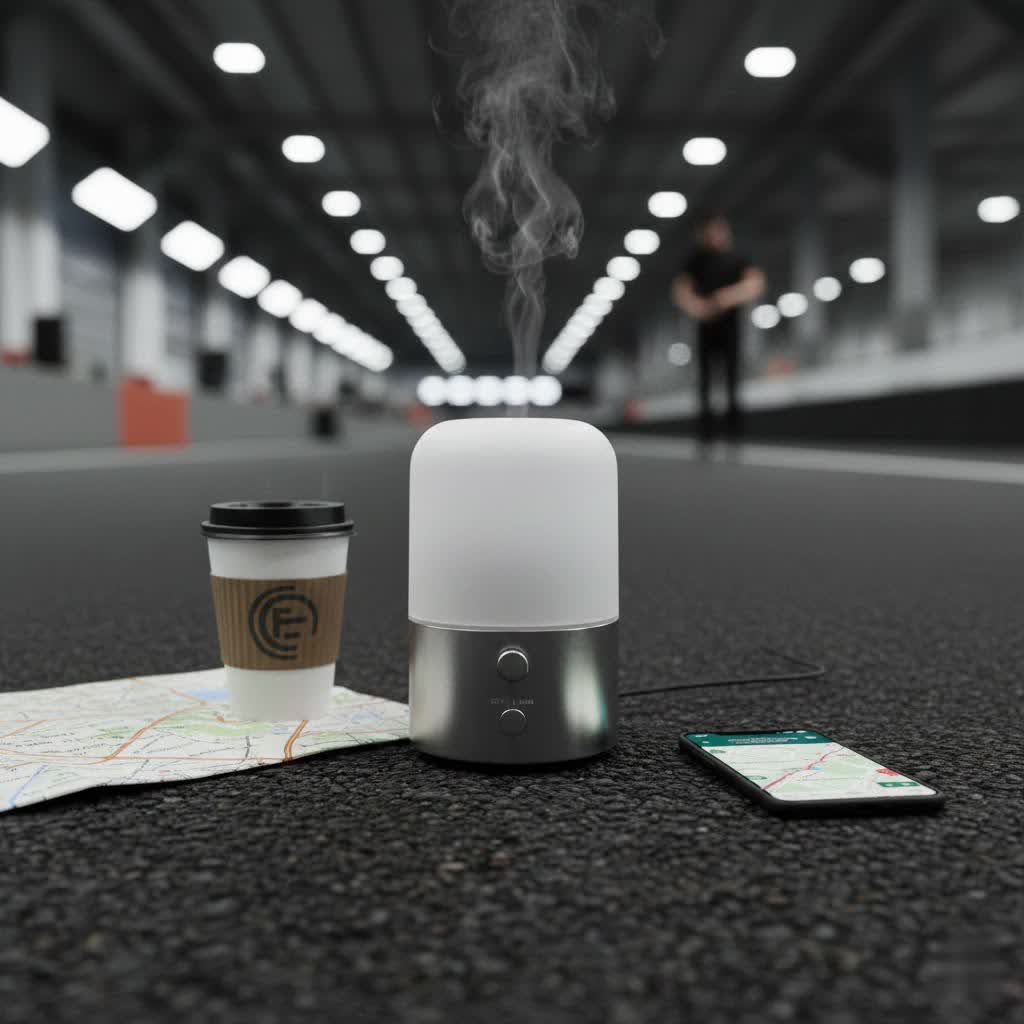
At its core, an oil diffuser is a device designed to disperse essential oils into the air. These oils, concentrated plant extracts, carry the natural scents and therapeutic properties of their botanical sources. While the concept of using natural fragrances for well-being dates back centuries, modern oil diffusers have evolved to offer convenient and efficient ways to enjoy aromatherapy in contemporary homes and offices. They move beyond simple air freshening by distributing microscopic oil particles that can interact with our bodies and minds, promoting various health and emotional benefits.
Benefits of Using an Oil Diffuser
Integrating an oil diffuser into your daily routine can offer a wealth of advantages, enhancing both your physical and mental well-being:
- Stress Relief and Relaxation: Certain essential oils like lavender, chamomile, and bergamot are renowned for their calming properties. Diffusing them can create a tranquil atmosphere, helping to alleviate stress, reduce anxiety, and promote a sense of peace after a long day.
- Improved Sleep Quality: For those struggling with restless nights, oils such as lavender and valerian root can be instrumental. Diffusing these scents before bedtime can signal to your body that it’s time to unwind, fostering deeper and more restful sleep.
- Enhanced Mood and Energy Levels: Uplifting citrus oils like lemon, orange, and grapefruit, along with invigorating peppermint and rosemary, can significantly boost mood and energy. They can help you stay alert, focused, and maintain a positive outlook throughout the day.
- Improved Cognitive Function: Essential oils like rosemary, peppermint, and basil have been shown to stimulate the brain, aiding in memory retention, concentration, and overall mental clarity. Diffusing these in a study or workspace can foster an environment conducive to productivity.
- Air Purification: Many essential oils, including eucalyptus and tea tree oil, possess natural antimicrobial qualities. When diffused, they can help eliminate airborne pathogens, reducing the chances of infection and contributing to cleaner, fresher indoor air, especially during cold seasons.
- Pain Relief: The analgesic and anti-inflammatory properties of certain essential oils, such as peppermint, eucalyptus, and ginger, can provide a natural approach to pain management. Inhaling these therapeutic aromas may help alleviate headaches, muscle tension, and even arthritis discomfort.
- All-Natural Fragrance: Unlike synthetic air fresheners that often contain artificial chemicals, oil diffusers use pure, plant-based extracts to fragrance your space. This provides a healthier, customizable alternative to chemical-laden aerosols and scented candles.
- Enhanced Respiratory Health: Oils like eucalyptus, peppermint, and tea tree are known for their ability to clear nasal passages and support lung health. Diffusing them can offer relief from congestion due to colds, flu, or allergies, making breathing easier and naturally enhancing overall respiratory well-being.
Popular Types of Oil Diffusers
Understanding the different mechanisms by which oil diffusers operate is crucial for selecting one that best suits your needs. Each type offers unique advantages and considerations.
Ultrasonic Diffuser
Ultrasonic diffusers are the most common type on the market, known for their versatility and quiet operation.
- How it works: These diffusers use water and electronic vibrations generated by a small disk. The vibrations break down a mixture of water and essential oil into a fine, cool mist, which is then dispersed into the air.
- Pros: They are whisper-quiet, often act as humidifiers, use relatively less essential oil over time due to dilution, are generally affordable, and are safe to use around children and pets as they don’t involve heat.
- Cons: The mist contains water, meaning the essential oil concentration is diluted, and they may add unwanted moisture to already humid environments. Their mist dispersion depends on air currents in the room.
|
Our Picks for the Best Oil Diffuser in 2026
As an Amazon Associate I earn from qualifying purchases.
|
||
| Num | Product | Action |
|---|---|---|
| 1 | 300ML Essential Oil Diffuser with 7-Color LED Lights and Remote Control, Modern Minimalist Design, High-Efficiency Ultrasonic Mist Aromatherapy Diffuser for Home - 300ML, Modern Minimalist Design, High-Efficiency, Ultrasonic Mist, for Home |

|
| 2 | SALKING Essential Oil Diffuser (Set of 2), 100ml Small Aromatherapy Diffuser with Auto Shut-Off, Ultrasonic Diffusers for Essential Oils, Cool Mist Humidifier with Warm White Lights, for Office Home - Set of 2, 100ml, Small, Aromatherapy Diffuser, Essential Oils, Cool Mist Humidifier, Warm White Lights, for Office Home |
|
| 3 | ASAKUKI 300ML Essential Oil Diffuser, Quiet 5-in-1 Premium Humidifier, Home Fragrance Aroma Diffuser with 7 LED Color Changing Light and Auto-Off Switch -Light Brown - Aroma Diffuser, 5-in-1, Quiet, 7 LED Color Changing Light, Auto-Off Switch, Light Brown |
|
| 4 | 3-in-1 Galaxy Projector Humidifier & Essential Oil Diffuser, 7-Color Rotating Star Night Light with Healing Water Wave Lighting, Aromatherapy for Relaxation & Sleep, for Bedroom Home Decor |
|
| 5 | SALKING Essential Oil Diffuser, 100ml Small Aromatherapy Diffuser with Auto Shut-Off Function, Ultrasonic Diffusers for Essential Oils, Cool Mist Humidifier with Warm White Lights, for Office Home - 100ml, Small, Aromatherapy Diffuser, Ultrasonic Diffusers, Essential Oils, Cool Mist Humidifier, Warm White Lights, Office Home |
|
| 6 | ASAKUKI Essential Oil Diffuser 500ml, Ultrasonic Aromatherapy Humidifier with Remote Control, 7 LED Colors, Timer & Auto-Off, Large Room Diffuser |
|
| 7 | Waterless Diffuser for Essential Oil: Mini Battery Scent Diffuser for Room&Home&Car with 9 Colors LED Light - Aroma Cool Mist Machine Dark Black |
|
| 8 | ASAKUKI 500ml Premium Essential Oil Diffuser with Remote Control, 5 in 1 Ultrasonic Aromatherapy Fragrant Oil Humidifier Vaporizer, Timer and Auto-Off Switch (White) |
|
| 9 | Lumixx Diffuser with Aroma Oil, Plug-in Waterless Essential Oil Diffuser, Smart Bluetooth App Control, Covers Up to 800 sq ft, 100ml Capacity, Cold Air Scent Technology, White |
|
| 10 | URPOWER Essential Oil Diffusers for Home with 7 LED Color Changing Lights, Timer & Auto-Off Ultrasonic Aromatherapy Diffuser Cool Mist Humidifer Scent Diffuser for Bedroom, Office, Yoga |
|
Nebulizing Diffuser
Nebulizing diffusers are favored by aromatherapy enthusiasts for their pure and potent diffusion.
- How it works: This type uses pressurized air and a jet nozzle to atomize pure essential oil into extremely fine particles, creating a concentrated mist without the need for water or heat.
- Pros: They deliver the purest and most potent aroma, preserving the full therapeutic properties of the essential oils. They are waterless, eliminating the concern of added humidity.
- Cons: Nebulizers tend to be more expensive, can consume essential oils more rapidly due to the concentrated output, and do not humidify the air.
Evaporative Diffuser
Evaporative diffusers offer simplicity and portability, ideal for quick scent bursts.
- How it works: Essential oil is dropped onto an absorbent pad or filter, and a fan blows air across it, causing the oil to evaporate and disperse into the room.
- Pros: They are typically simple to use, portable, and provide a quick burst of aroma. Many are quiet and economical.
- Cons: The lighter components of an essential oil tend to evaporate first, which can alter the overall aroma balance. The scent may not be as strong or last as long as other types, and pads or wicks often require regular replacement.
Heat Diffuser
Heat diffusers use warmth to release fragrance, often found in traditional oil burners.
- How it works: These devices use a heating element to gently warm essential oils (sometimes mixed with water), causing them to evaporate into the surrounding air.
- Pros: Heat diffusers are often economical, efficient, and silent. The warmth can enhance the strength of the aroma.
- Cons: High heat can alter the chemical composition of essential oils, potentially diminishing their therapeutic benefits. It’s crucial to choose high-quality models that use low heat to avoid “cooking” the oils.
Comparing Oil Diffuser Types
| Feature | Ultrasonic Diffuser | Nebulizing Diffuser | Evaporative Diffuser | Heat Diffuser |
|---|---|---|---|---|
| Price Range | $$ (Affordable to Mid-range) | $$$ (Mid-range to High-end) | $ (Most Affordable) | $ (Most Affordable) |
| Noise Level | Very Quiet (Humming/Bubbling) | Moderate (Gentle hum of air pump) | Quiet (Gentle fan noise) | Silent |
| Diffusion Effect | Fine mist with water, humidifies | Pure, potent, concentrated mist | Quick, lighter aroma, fan-assisted | Gentle, warmer aroma, can alter oil properties |
| Water Needed? | Yes | No | No (uses pads/wicks) | Often no (some use water) |
| Oil Consumption | Low (diluted) | High (pure oil) | Moderate | Low |
| Therapeutic Purity | Good (some dilution) | Excellent (undiluted, no heat) | Fair (lighter notes diffuse first) | Varies (heat can alter oil) |
| Ease of Cleaning | Moderate (water reservoir, mist plate) | Easy (no water, but delicate parts) | Easy (replace pads/wicks) | Easy (wipe heated plate) |
| Extra Features | Humidification, LED lights, auto-shutoff | Timers, auto-shutoff | Portable, battery-operated | Simple, often aesthetically pleasing |
How to Choose the Right Oil Diffuser (Buying Guide)
Selecting the best oil diffuser involves aligning its features with your personal needs and preferences.
Assess Your Usage Needs
Start by considering where and why you’ll be using the diffuser.
- Room Size: For larger rooms like living areas, look for diffusers with a larger tank capacity (e.g., 500ml for ultrasonic) and powerful mist settings to ensure adequate coverage. Smaller, more portable options are suitable for personal spaces like desks, bedrooms, or offices.
- Purpose: Are you primarily seeking ambiance, stress relief, air purification, or a boost in focus? This will influence the type of diffuser you choose. If humidification is a bonus, an ultrasonic model is a good fit. If you want the purest therapeutic experience, a nebulizing diffuser might be preferred.
Match Diffuser Type to Your Preferences
Based on the pros and cons outlined above, decide which type of diffuser aligns best with what you prioritize:
- For quiet humidification and versatile use: Choose an ultrasonic diffuser.
- For intense, undiluted aromatherapy: Opt for a nebulizing diffuser.
- For portability and simplicity: Consider an evaporative diffuser.
- For silent operation and stronger aroma (with caution): Explore heat diffusers.
Consider Additional Features
Modern diffusers come with a variety of supplementary features that can enhance your experience.
- Timer Functions: An essential feature, allowing you to set the diffuser to run for specific durations (e.g., 1, 2, 3 hours) before automatically shutting off. This prevents overuse and conserves oils.
- Automatic Shut-Off: A crucial safety feature, especially for ultrasonic diffusers, ensuring the device turns off when the water level is low.
- LED Lights: Many diffusers include ambient LED lighting, offering a range of colors or a gentle glow, which can contribute to a relaxing atmosphere or serve as a night light.
- Mist Settings: Adjustable mist outputs (continuous or intermittent) give you control over the intensity and longevity of the aroma.
- Remote Control: Offers convenience, allowing you to operate the diffuser from a distance.
- Stylish Design: Diffusers are increasingly designed to complement home decor, with options ranging from minimalist ceramic and stone finishes to more intricate aesthetics.
Read Reviews and Check Brand Reputation
Always research brands and read user reviews. A reputable brand often signifies better quality materials, safer operation, and reliable customer support. Reviews can provide insights into real-world performance, durability, and any potential quirks of a specific model.
Top Oil Diffusers for Every Home
While specific models change frequently, top-rated oil diffusers consistently share several key characteristics that ensure a superior user experience. When looking for the best, consider these qualities:
- Efficient Scent Distribution: A high-quality diffuser should effectively disperse essential oils evenly throughout your desired space, whether it’s a small office or a large living room.
- Quiet Operation: Especially important for bedrooms or workspaces, the best diffusers operate with minimal noise, allowing for undisturbed relaxation or concentration.
- Intuitive Controls: Easy-to-understand buttons or smart app integration make setting timers, mist modes, and light preferences effortless.
- Durable Construction and Aesthetic Appeal: Premium diffusers are built from quality materials that last and feature designs that seamlessly blend with or enhance your home decor.
- Advanced Safety Features: Automatic shut-off functions are standard in top models, providing peace of mind.
- Versatility: Many leading diffusers offer multiple mist settings, optional LED lighting, and can function as both an aroma diffuser and a humidifier.
Popular types that frequently appear on “best of” lists include ultrasonic diffusers known for their quiet humidifying mist and nebulizing diffusers prized for their potent, undiluted aromatherapy experience.
How to Use and Maintain Your Oil Diffuser
Proper usage and regular maintenance are key to maximizing your oil diffuser’s lifespan and ensuring the purest aromatherapy experience.
Safe and Effective Usage
- Read the Manual: Always start by consulting your diffuser’s specific instructions for optimal performance and safety.
- Add Water and Essential Oils (for Ultrasonic Diffusers): Fill the water tank with clean, room-temperature water up to the max fill line. Add 5-10 drops of your chosen pure essential oil per 500ml of water, adjusting the quantity based on your preference and room size.
- Power On and Set Preferences: Place the lid back on, plug in the diffuser, and select your desired mist setting, timer, and LED light options.
- Optimal Run Time: Avoid over-diffusing. Most experts recommend running your diffuser in intervals, such as 15-30 minutes on, then 30-60 minutes off, to prevent olfactory fatigue and ensure the therapeutic benefits are maintained. Utilize built-in timers if available.
- Placement: Position your diffuser on a stable, flat surface away from direct sunlight, drafts, and heat sources. Ensure it’s out of reach of children and pets.
- Ventilation: Use your diffuser in a well-ventilated area to maintain good air quality and prevent the aroma from becoming overwhelming.
Cleaning and Maintenance
Regular cleaning prevents oil residue buildup, ensures consistent performance, and extends your diffuser’s life.
-
Routine Cleaning (After Every 5-6 Uses or Weekly):
- Turn Off and Unplug: Always ensure the diffuser is off and unplugged before cleaning.
- Empty Water: Pour out any remaining water from the reservoir. For ultrasonic diffusers, pour away from the air outlet to prevent internal damage.
- Wipe Down: Use a soft, damp cloth or paper towel to gently wipe the inside of the water tank and the ultrasonic plate (the small disk at the bottom). If there’s oil residue, dampen the cloth with a bit of white vinegar.
- Dry Thoroughly: Allow all components to air dry completely before reassembling or refilling.
-
Deep Cleaning (Monthly or When Changing Oils/Noticing Buildup):
- Vinegar Method:
- After emptying and wiping the reservoir, fill the tank halfway with clean water.
- Add 2 teaspoons (or about 10 drops) of white vinegar, which helps break down oil residue and disinfect.
- Run the diffuser for 3-5 minutes to allow the vinegar solution to circulate.
- Turn off, unplug, and drain the solution.
- Use a cotton swab dipped in vinegar to carefully clean tight corners and around the mist chip.
- Rinse the reservoir thoroughly with clean water and dry with a lint-free cloth or air dry.
- Rubbing Alcohol Method (especially for ultrasonic plate):
- Empty and wipe the reservoir.
- Dip a cotton bud in rubbing alcohol and gently clean the ultrasonic plate and any stubborn oil buildup in crevices.
- Rinse with clean water or wipe with a water-dampened cotton bud.
- Wash the lid and cover with warm, soapy water and dry thoroughly.
- For a final cleanse, you can fill the reservoir with clean water and let it run until empty.
- Vinegar Method:
-
Important Notes:
- Only use 100% pure essential oils suitable for diffusion.
- Avoid using harsh chemical cleaners, which can damage the diffuser.
- Be cautious with essential oils around children and pets; always research pet-safe oils and keep diffusers out of reach.
“A well-maintained oil diffuser is not just a device; it’s an investment in your daily wellness, ensuring every aromatic breath contributes positively to your environment.”
Conclusion
Oil diffusers offer a simple yet profound way to integrate the therapeutic power of nature into your daily life. From the calming mists of an ultrasonic diffuser to the potent bursts from a nebulizing one, these devices promise more than just pleasant scents—they deliver tangible benefits for your mood, sleep, focus, and overall health. By understanding the different types, considering your specific needs, and committing to proper usage and regular cleaning, you can confidently choose the perfect oil diffuser to create a personalized sanctuary in your home.
Are you ready to discover the transformative power an essential oil diffuser can bring to your living space?
Frequently Asked Questions
What is the primary difference between ultrasonic and nebulizing diffusers?
The main difference lies in the use of water. Ultrasonic diffusers use water and vibrations to create a fine, humid mist, diluting the essential oils. Nebulizing diffusers use pressurized air to atomize pure essential oil into a potent, waterless mist, offering a more concentrated aromatherapy experience.
How often should I use my oil diffuser?
It’s generally recommended to use your diffuser in intermittent cycles, such as 15-30 minutes on, followed by an hour off. This prevents over-exposure and allows you to fully appreciate the therapeutic benefits of the essential oils without becoming desensitized to the aroma.
Are essential oil diffusers safe for pets and children?
While many diffusers are considered safe, certain essential oils can be harmful to pets or young children, especially in enclosed spaces. Always research pet-safe oils and place diffusers out of their reach. Consult a veterinarian or pediatrician for specific concerns.
Can I use any type of oil in my diffuser?
Only 100% pure, high-quality essential oils are recommended for diffusers. Avoid synthetic fragrance oils or diluted products, as they can contain harmful chemicals, reduce therapeutic benefits, and potentially damage your diffuser.
What is the best way to clean my ultrasonic diffuser?
For routine cleaning, empty the water and wipe the reservoir with a damp cloth after every few uses. For a deeper clean (monthly), fill it halfway with water, add a few drops of white vinegar, run for 3-5 minutes, then drain, wipe with a cotton swab, and rinse thoroughly.
