In a world increasingly seeking natural solutions for well-being, essential oil diffusers have emerged as popular tools for enhancing our living spaces and personal health. Among the vast array of essential oils, tea tree oil stands out for its potent properties and versatile benefits when diffused. But beyond a pleasant aroma, what truly makes diffusing tea tree oil a beneficial practice? This comprehensive guide delves into the remarkable advantages of incorporating tea tree oil into your aromatherapy routine, exploring its effects on air quality, respiratory health, mental well-being, and even as a natural pest deterrent, all while providing essential usage and safety tips to ensure you harness its power effectively.
What is an Oil Diffuser?
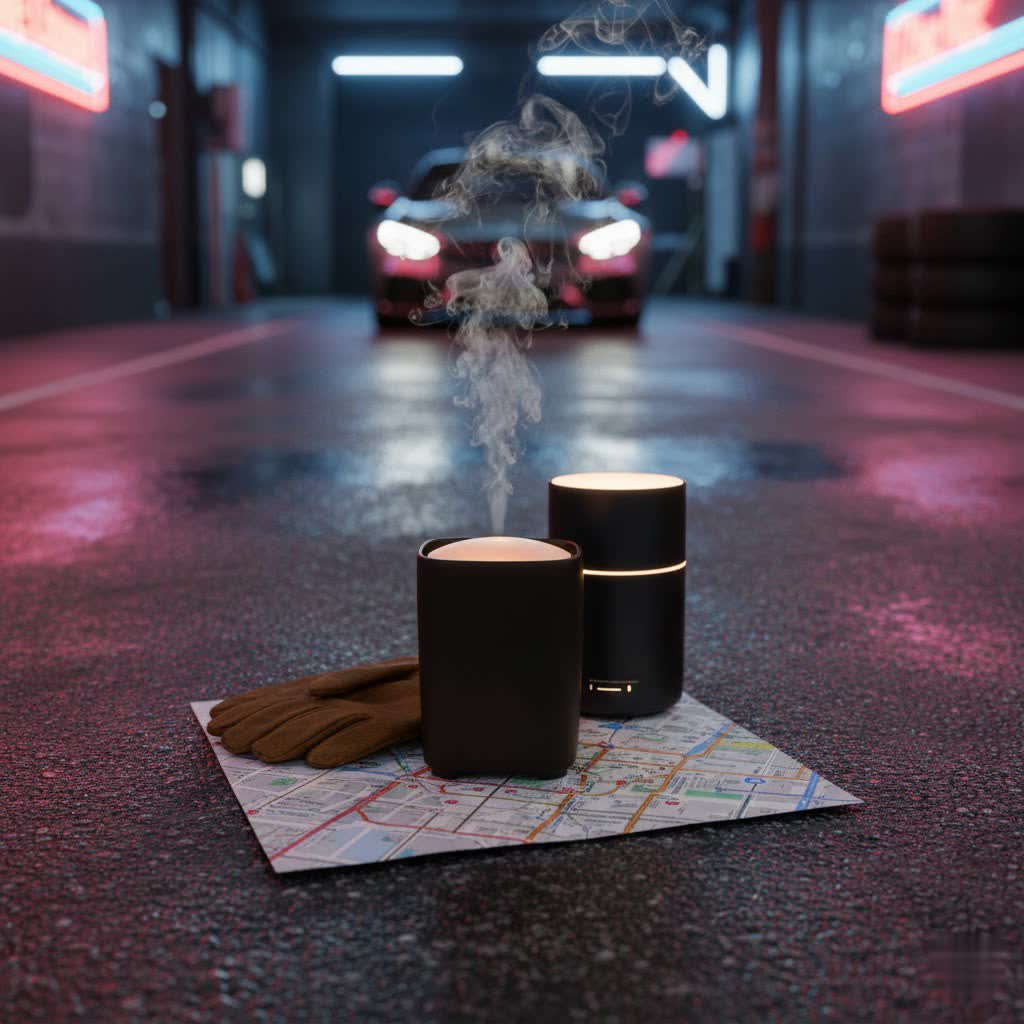
An oil diffuser is a device designed to disperse essential oils into the air, allowing you to enjoy their aromatic and therapeutic benefits. These devices break down essential oils into tiny particles or a fine mist, releasing them into your environment. From creating a relaxing ambiance to purifying the air, diffusers offer a convenient way to integrate the power of nature into your daily life.
Essential oils, like tea tree oil, are concentrated plant extracts containing the natural aromatic compounds of the plant. When diffused, these compounds interact with our olfactory system, influencing our mood, stress levels, and even physical well-being. Different types of diffusers use various technologies to achieve this, each with its own advantages.
Common Types of Oil Diffusers
Understanding the different types of diffusers can help you choose the best one for your needs:
- Ultrasonic Diffusers: These are the most common type. They use high-frequency vibrations to create a fine mist from water and essential oil, dispersing it into the air. They often double as humidifiers.
- Nebulizing Diffusers: These diffusers use an air pump to atomize the oil, creating a fine, potent mist without the need for water or heat. They deliver the purest form of essential oil into the air, making them very effective for therapeutic benefits.
- Evaporative Diffusers: These work by using a fan to blow air across a pad or filter soaked in essential oil. As the oil evaporates, its aroma spreads through the room. The scent may be lighter, and the therapeutic compounds might dissipate quickly.
- Heat Diffusers: These use heat to warm the essential oil, causing it to evaporate and release its aroma. They can be very quiet and are often used for strong scents or larger spaces, though heat can sometimes alter the chemical composition of the oil.
|
Our Picks for the Best Oil Diffuser in 2026
As an Amazon Associate I earn from qualifying purchases.
|
||
| Num | Product | Action |
|---|---|---|
| 1 | Lumixx Diffuser with Aroma Oil, Plug-in Waterless Essential Oil Diffuser, Smart Bluetooth App Control, Covers Up to 800 sq ft, 100ml Capacity, Cold Air Scent Technology, White |

|
| 2 | ASAKUKI Essential Oil Diffuser 500ml, Ultrasonic Aromatherapy Humidifier with Remote Control, 7 LED Colors, Timer & Auto-Off, Large Room Diffuser |
|
| 3 | ASAKUKI 500ml Premium Essential Oil Diffuser with Remote Control, 5 in 1 Ultrasonic Aromatherapy Fragrant Oil Humidifier Vaporizer, Timer and Auto-Off Switch (White) |
|
| 4 | SALKING Essential Oil Diffuser (Set of 2), 100ml Small Aromatherapy Diffuser with Auto Shut-Off, Ultrasonic Diffusers for Essential Oils, Cool Mist Humidifier with Warm White Lights, for Office Home - Set of 2, 100ml, Small, Aromatherapy Diffuser, Essential Oils, Cool Mist Humidifier, Warm White Lights, for Office Home |
|
| 5 | SALKING Essential Oil Diffuser, 100ml Small Aromatherapy Diffuser with Auto Shut-Off Function, Ultrasonic Diffusers for Essential Oils, Cool Mist Humidifier with Warm White Lights, for Office Home - 100ml, Small, Aromatherapy Diffuser, Ultrasonic Diffusers, Essential Oils, Cool Mist Humidifier, Warm White Lights, Office Home |
|
| 6 | URPOWER Essential Oil Diffusers for Home with 7 LED Color Changing Lights, Timer & Auto-Off Ultrasonic Aromatherapy Diffuser Cool Mist Humidifer Scent Diffuser for Bedroom, Office, Yoga |
|
| 7 | ASAKUKI 300ML Essential Oil Diffuser, Quiet 5-in-1 Premium Humidifier, Home Fragrance Aroma Diffuser with 7 LED Color Changing Light and Auto-Off Switch -Light Brown - Aroma Diffuser, 5-in-1, Quiet, 7 LED Color Changing Light, Auto-Off Switch, Light Brown |
|
| 8 | Waterless Diffuser for Essential Oil: Mini Battery Scent Diffuser for Room&Home&Car with 9 Colors LED Light - Aroma Cool Mist Machine Dark Black |
|
| 9 | 300ML Essential Oil Diffuser with 7-Color LED Lights and Remote Control, Modern Minimalist Design, High-Efficiency Ultrasonic Mist Aromatherapy Diffuser for Home - 300ML, Modern Minimalist Design, High-Efficiency, Ultrasonic Mist, for Home |
|
| 10 | 3-in-1 Galaxy Projector Humidifier & Essential Oil Diffuser, 7-Color Rotating Star Night Light with Healing Water Wave Lighting, Aromatherapy for Relaxation & Sleep, for Bedroom Home Decor |
|
The Remarkable Benefits of Diffusing Tea Tree Oil
Tea tree oil, derived from the Australian native plant Melaleuca alternifolia, is renowned for its powerful natural properties. When diffused, these properties are released into your environment, offering a spectrum of advantages for your home and health.
Elevating Indoor Air Quality
One of the most celebrated benefits of diffusing tea tree oil is its exceptional ability to improve indoor air quality. Its potent antimicrobial, antibacterial, and antifungal compounds work as natural purifiers, neutralizing airborne pathogens and reducing unpleasant odors. By breaking down and releasing microdroplets of tea tree oil into the air, a diffuser can help create a cleaner, fresher living space. This makes it a go-to option for those seeking natural air purification, especially in areas prone to mold or stale smells.
Supporting Respiratory Wellness
Beyond just air purification, tea tree oil can significantly support respiratory health when diffused. Its anti-inflammatory and antimicrobial properties can help reduce congestion and alleviate minor seasonal discomforts. Components like 1,8-cineole, found in tea tree oil, have expectorant and mucolytic properties, potentially helping to relax airway muscles and improve breathing. For individuals experiencing stuffiness or minor respiratory irritation, diffusing tea tree oil can create a soothing atmosphere, promoting clearer and more comfortable breathing.
> “Tea tree oil’s natural antimicrobial properties can significantly enhance respiratory health by reducing airborne irritants and supporting clearer breathing.” – Dr. Emily R. Green, Aromatherapy Specialist
Calming Mind and Body
The fresh, herbaceous, and slightly medicinal scent of tea tree essential oil is known to have a calming and grounding effect on the mind and body. Diffusing tea tree oil can help reduce feelings of stress and anxiety, promoting a more relaxed and peaceful atmosphere. Compounds such as pinenes and linalool, present in tea tree oil, have been studied for their anxiolytic (anxiety-reducing) effects. Integrating tea tree oil diffusion into your daily routine, especially after a long day or during moments of tension, can help you unwind and prepare for restful sleep.
Enhancing Mental Clarity and Focus
In addition to its calming properties, tea tree oil can also be an excellent aid for mental clarity and focus. Its invigorating aroma can stimulate the mind, helping to reduce feelings of fatigue and boost concentration. If you find yourself struggling with mental fog or distractions, diffusing tea tree oil in your workspace or study area can help create an environment conducive to productivity. This subtle yet powerful effect can help you maintain sharp focus and combat mental sluggishness, making it ideal for creative tasks or intensive work periods.
Natural Insect Repellent
For those seeking an alternative to chemical insect repellents, tea tree oil offers a natural solution. Studies suggest that diffusing tea tree oil can effectively deter various pests, including mosquitoes, gnats, chiggers, ticks, fleas, fire ants, spiders, bed bugs, and even bees. Some research indicates that it may be more effective at repelling certain bugs than common synthetic ingredients. Incorporating tea tree oil into your diffuser, particularly during warmer months or in outdoor entertaining areas, can help keep unwanted insects at bay, allowing you to enjoy your space more comfortably.
Understanding Different Oil Diffuser Types
While the benefits of tea tree oil are clear, the type of diffuser you use can impact how effectively you experience these advantages. Each diffuser type has distinct characteristics that affect its performance, ease of use, and overall experience.
| Feature | Ultrasonic Diffuser | Nebulizing Diffuser | Evaporative Diffuser | Heat Diffuser |
|---|---|---|---|---|
| Price Range | Moderate | High | Low | Low to Moderate |
| Noise Level | Very Low (gentle hum of water) | Moderate to High (air pump sound) | Low to Moderate (fan sound) | Silent |
| Diffusion | Fine mist with water, humidifying effect | Pure, concentrated oil mist, no water | Light scent, oil evaporates quickly | Gentle, consistent scent, can alter oil |
| Effectiveness | Good for scent & mild therapeutic benefits | Excellent for therapeutic benefits & strong scent | Moderate for aroma, less for therapy | Good for aroma, minimal therapeutic impact |
| Ease of Cleaning | Requires regular cleaning to prevent mineral buildup | Requires frequent cleaning for residue | Easy (replace pads/filters) | Very easy (wipe clean) |
| Features | Timers, LED lights, auto-shutoff | Timers, intensity control | Simple on/off | Simple on/off, sometimes dimming |
How to Choose the Right Oil Diffuser for You
Selecting the perfect oil diffuser involves considering your personal needs, the size of your space, and the specific benefits you hope to achieve, especially when planning to use powerful oils like tea tree oil.
Assessing Your Needs
Before purchasing, consider where and how you intend to use your diffuser.
- Room Size: For smaller rooms like bathrooms or offices, a compact ultrasonic or evaporative diffuser may suffice. Larger living spaces or open-plan areas might benefit from a more powerful nebulizing diffuser or a larger ultrasonic model.
- Purpose of Use: If your primary goal is air purification and respiratory support with tea tree oil, a nebulizing or high-quality ultrasonic diffuser will be most effective. For simple aroma and relaxation, any type can work, but ultrasonic diffusers also offer humidification benefits.
Matching Diffuser Type to Your Lifestyle
Each diffuser type offers a different experience.
- If you prioritize pure, undiluted aromatherapy and strong therapeutic effects, a nebulizing diffuser is ideal. However, they can be louder and consume more oil.
- For a balance of aroma, therapeutic benefits, and added humidity, an ultrasonic diffuser is a versatile and popular choice. They are quieter and generally more affordable.
- If simplicity and quiet operation are key, and you’re less concerned with intense therapeutic benefits, heat or evaporative diffusers might be suitable.
Key Features to Look For
Modern diffusers come with a variety of features that can enhance your experience:
- Timer Settings: Allows you to control the diffusion duration (e.g., 1-hour, 3-hour, intermittent cycles), crucial for oils like tea tree oil where limiting exposure is recommended.
- Automatic Shut-off: A vital safety feature that turns off the diffuser when the water level is low, preventing damage and conserving energy.
- LED Lights: Many diffusers include ambient LED lighting, often with color-changing options, to enhance the mood and serve as a night light.
- Mist Output Control: Adjustable mist settings let you customize the intensity of the aroma, which is helpful when experimenting with stronger oils.
Importance of Brand Reputation and Reviews
Always opt for diffusers from reputable brands known for quality and durability. Reading user reviews can provide valuable insights into a product’s real-world performance, longevity, and ease of use. A well-made diffuser will ensure efficient dispersion of your tea tree oil and a lasting aromatherapy experience.
Best Practices for Diffusing Tea Tree Oil Safely and Effectively
While tea tree oil offers numerous benefits, it is a potent essential oil that requires careful handling and responsible diffusion to maximize its advantages and prevent potential side effects.
Safe Usage Guidelines
To ensure a safe and enjoyable experience when diffusing tea tree oil:
- Use Pure, High-Quality Oil: Always choose 100% pure, therapeutic-grade tea tree essential oil from a reputable supplier. Quality matters for both effectiveness and safety.
- Proper Dilution: For ultrasonic diffusers that use water, start with a small amount of oil. A general recommendation is 3-5 drops of tea tree oil per 100ml of water. You can adjust this based on room size and personal preference, but it’s always better to start with less.
- Ventilation is Key: Always diffuse tea tree oil in a well-ventilated area to prevent overexposure. Open a window slightly if possible.
- Limit Diffusion Time: Diffuse tea tree oil in short intervals, typically no more than 30 minutes at a time, followed by a break. Prolonged diffusion can lead to headaches, dizziness, or respiratory irritation for some individuals.
- Never Ingest or Apply Undiluted: Tea tree oil is not for internal consumption and should never be applied directly to the skin without proper dilution in a carrier oil.
> “Always remember that essential oils are highly concentrated. Responsible use, including proper dilution and intermittent diffusion, is paramount for safety.” – Dr. Aaron J. Miller, Certified Aromatherapist
Proper Diffuser Maintenance
Regular cleaning of your diffuser is essential to ensure its longevity and maintain the purity of your essential oils.
- Daily Rinse: After each use, rinse the water reservoir of your ultrasonic diffuser to prevent mineral buildup and essential oil residue.
- Weekly Deep Clean: For ultrasonic diffusers, clean the unit once a week using a cotton swab dipped in rubbing alcohol or a mild soap and water solution to remove any stubborn residue. For nebulizing diffusers, consult the manufacturer’s instructions for cleaning, which often involves diffusing rubbing alcohol for a short period.
- Air Dry Completely: Ensure all parts are thoroughly dry before reassembling and storing the diffuser.
Important Considerations
Certain individuals and pets may be more sensitive to essential oils:
- Children and Pets: Keep diffusers and essential oil bottles out of reach of children and pets. Tea tree oil can be toxic to animals, especially cats and dogs, if ingested or if they are exposed to highly concentrated diffusion. Always ensure good ventilation and allow pets to leave the room if they wish.
- Sensitive Individuals: If you have respiratory conditions like asthma or COPD, or are pregnant, consult with a healthcare professional before diffusing essential oils. While many find relief, some individuals may experience irritation.
- Listen to Your Body: If you experience any discomfort such as coughing, irritation, or headache, stop diffusing immediately and ventilate the area.
Conclusion
Diffusing tea tree oil offers a wealth of benefits, from purifying your indoor air and supporting respiratory wellness to calming your mind, enhancing focus, and even acting as a natural insect repellent. By understanding the distinct characteristics of different diffuser types and adhering to safe usage practices, you can effectively harness the power of this remarkable essential oil. Prioritizing quality, proper ventilation, and mindful diffusion times ensures a positive and beneficial aromatherapy experience for you and your household. So why not explore how tea tree oil can transform your environment and uplift your well-being?
