In our fast-paced lives, finding moments of calm and creating a sanctuary at home is more important than ever. If you’re looking to transform your living space into an oasis of tranquility and well-being, an aromatherapy essential oil diffuser might be your perfect companion. These devices subtly infuse your environment with the therapeutic power of essential oils, offering a natural pathway to relaxation, improved mood, and enhanced health. But with a myriad of options available, how do you choose the right one to unlock these benefits? This comprehensive guide will navigate the world of essential oil diffusers, helping you understand their magic, choose the best fit, and maintain them for lasting enjoyment.
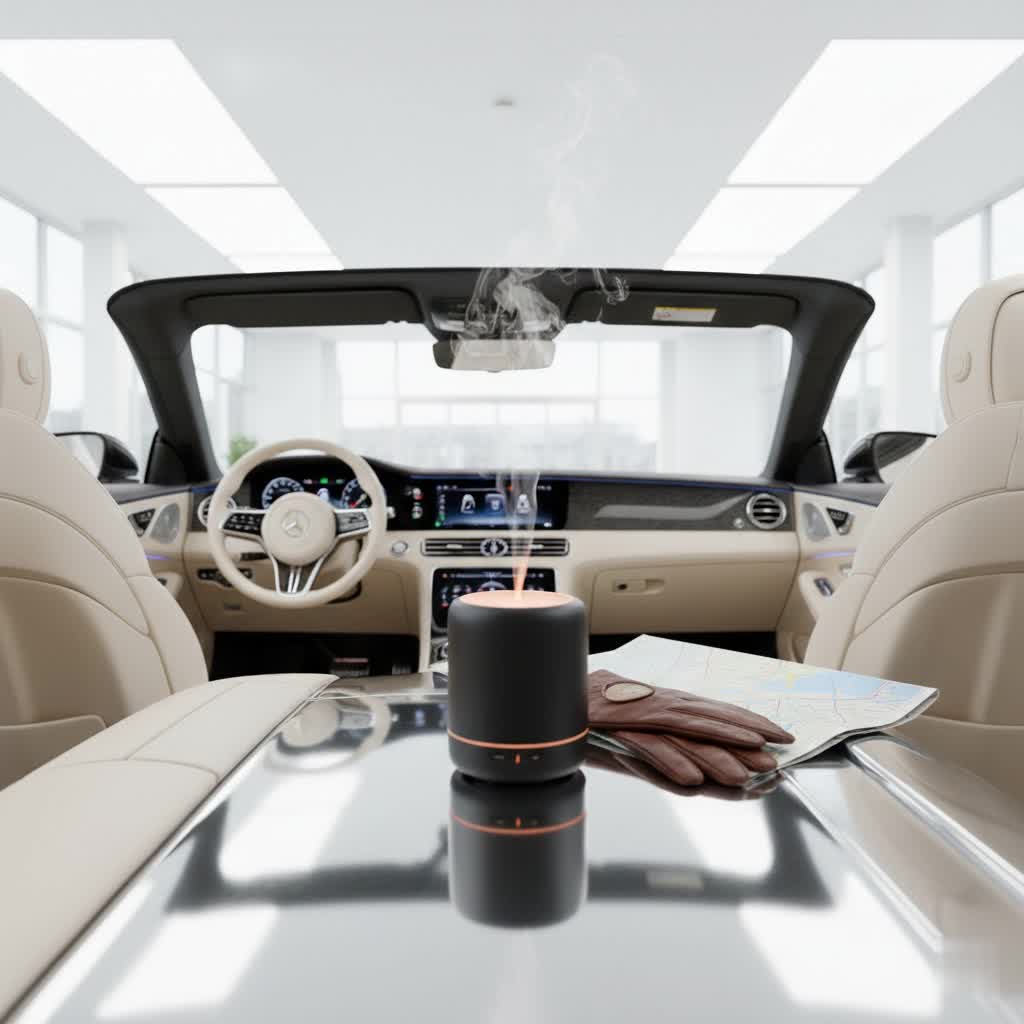
What is an Aromatherapy Essential Oil Diffuser?
An aromatherapy essential oil diffuser is a device designed to disperse essential oils into the air, allowing you to inhale their aromatic compounds and experience their therapeutic benefits. Rooted in ancient practices, the use of aromatic plant extracts for wellness has evolved significantly. Today’s diffusers leverage various technologies to deliver these natural essences, transforming the ambiance of any room. They serve as a natural alternative to synthetic air fresheners, offering a cleaner, more holistic approach to scenting your home.
The market offers several popular types of essential oil diffusers, each employing a distinct method to disperse the oils. Understanding these differences is key to selecting a diffuser that aligns with your specific needs and preferences, whether you prioritize a potent aroma, silent operation, or air humidification.
Benefits of Using an Essential Oil Diffuser
Incorporating an essential oil diffuser into your daily routine offers a wide array of advantages for your physical and mental well-being. These small yet powerful devices go beyond simply making your space smell pleasant; they actively contribute to a healthier, more harmonious environment.
One primary benefit is the improvement of indoor air quality. Many essential oils possess antimicrobial properties, helping to purify the air by reducing airborne pathogens and eliminating unwanted odors, rather than just masking them. This creates a cleaner breathing environment.
Beyond air purification, diffusers are renowned for their ability to reduce stress and anxiety, and elevate mood. Scents like lavender, bergamot, and chamomile are known for their calming effects, fostering a tranquil atmosphere conducive to relaxation after a long day. Conversely, invigorating oils like peppermint and citrus can boost energy and uplift spirits, promoting a sense of well-being.
For those struggling with sleep, an essential oil diffuser can be a powerful aid. Diffusing relaxing oils before bedtime can improve sleep quality, encouraging a deeper, more restful night by signaling to your body that it’s time to unwind.
Certain essential oils, such as eucalyptus and tea tree, can support your immune system and open airways for better breathing. Their properties can help minimize the effects of seasonal conditions like colds or allergies, making breathing easier and more comfortable.
Furthermore, diffusing specific essential oils has been linked to enhanced cognitive function, focus, and productivity. Rosemary and peppermint, for example, are known to stimulate the brain, helping to improve concentration and mental clarity, making diffusers valuable in home offices or study areas.
Finally, diffusers offer a safer alternative to candles and incense, particularly in households with children or pets. They eliminate the risks associated with open flames or smoke, providing a worry-free way to enjoy natural fragrances.
Popular Types of Essential Oil Diffusers
The world of essential oil diffusers is diverse, with various technologies catering to different preferences and needs. Understanding the mechanics, pros, and cons of each type will guide you to your ideal choice.
Ultrasonic Diffuser
How They Work: Ultrasonic diffusers are the most common type. They use electronic frequencies to create vibrations in water, which then break down the essential oil into microscopic particles, forming a fine, cool mist that is dispersed into the air.
- Pros:
- Preserves Oil Integrity: Since they use no heat, the therapeutic properties of essential oils remain intact.
- Humidifies the Air: Adds moisture to the air, beneficial in dry climates or during colder months.
- Quiet Operation: Generally operate at a whisper-quiet level, making them ideal for bedrooms and offices.
- Aesthetic Appeal: Often come with attractive designs and LED light features.
- Cons:
- Requires Water: Needs regular refilling and can be less portable due to water requirement.
- Less Potent Aroma: The aroma can be less concentrated compared to nebulizing diffusers, as oils are diluted with water.
- Cleaning Maintenance: Requires regular cleaning to prevent mineral buildup and mold.
|
Our Picks for the Best Oil Diffuser in 2026
As an Amazon Associate I earn from qualifying purchases.
|
||
| Num | Product | Action |
|---|---|---|
| 1 | ASAKUKI Essential Oil Diffuser 500ml, Ultrasonic Aromatherapy Humidifier with Remote Control, 7 LED Colors, Timer & Auto-Off, Large Room Diffuser |

|
| 2 | ASAKUKI 500ml Premium Essential Oil Diffuser with Remote Control, 5 in 1 Ultrasonic Aromatherapy Fragrant Oil Humidifier Vaporizer, Timer and Auto-Off Switch (White) |
|
| 3 | SALKING Essential Oil Diffuser, 100ml Small Aromatherapy Diffuser with Auto Shut-Off Function, Ultrasonic Diffusers for Essential Oils, Cool Mist Humidifier with Warm White Lights, for Office Home - 100ml, Small, Aromatherapy Diffuser, Ultrasonic Diffusers, Essential Oils, Cool Mist Humidifier, Warm White Lights, Office Home |
|
| 4 | 300ML Essential Oil Diffuser with 7-Color LED Lights and Remote Control, Modern Minimalist Design, High-Efficiency Ultrasonic Mist Aromatherapy Diffuser for Home - 300ML, Modern Minimalist Design, High-Efficiency, Ultrasonic Mist, for Home |
|
| 5 | Lumixx Diffuser with Aroma Oil, Plug-in Waterless Essential Oil Diffuser, Smart Bluetooth App Control, Covers Up to 800 sq ft, 100ml Capacity, Cold Air Scent Technology, White |
|
| 6 | ASAKUKI 300ML Essential Oil Diffuser, Quiet 5-in-1 Premium Humidifier, Home Fragrance Aroma Diffuser with 7 LED Color Changing Light and Auto-Off Switch -Light Brown - Aroma Diffuser, 5-in-1, Quiet, 7 LED Color Changing Light, Auto-Off Switch, Light Brown |
|
| 7 | SALKING Essential Oil Diffuser (Set of 2), 100ml Small Aromatherapy Diffuser with Auto Shut-Off, Ultrasonic Diffusers for Essential Oils, Cool Mist Humidifier with Warm White Lights, for Office Home - Set of 2, 100ml, Small, Aromatherapy Diffuser, Essential Oils, Cool Mist Humidifier, Warm White Lights, for Office Home |
|
| 8 | 3-in-1 Galaxy Projector Humidifier & Essential Oil Diffuser, 7-Color Rotating Star Night Light with Healing Water Wave Lighting, Aromatherapy for Relaxation & Sleep, for Bedroom Home Decor |
|
| 9 | Waterless Diffuser for Essential Oil: Mini Battery Scent Diffuser for Room&Home&Car with 9 Colors LED Light - Aroma Cool Mist Machine Dark Black |
|
| 10 | URPOWER Essential Oil Diffusers for Home with 7 LED Color Changing Lights, Timer & Auto-Off Ultrasonic Aromatherapy Diffuser Cool Mist Humidifer Scent Diffuser for Bedroom, Office, Yoga |
|
Nebulizing Diffuser
How They Work: Nebulizing diffusers use pressurized air to atomize pure essential oil into a fine mist without the need for water or heat. The oil is drawn up a glass tube and dispersed as micro-particles.
- Pros:
- Potent Aroma: Delivers a very strong, concentrated aroma, filling larger spaces more effectively.
- No Water Needed: Uses pure essential oils, eliminating the need for water and reducing the risk of mold.
- Preserves Oil Quality: No heat or water means the oils are diffused in their purest, most therapeutic form.
- Cons:
- Higher Cost: Typically more expensive due to their advanced technology.
- Increased Oil Consumption: Uses essential oils more quickly than ultrasonic diffusers, making it more costly over time.
- May Produce Noise: Some models can be noisier than ultrasonic diffusers due to the air pump mechanism.
- Fragile: Often made of glass, making them prone to breakage.
Evaporative Diffuser
How They Work: Evaporative diffusers use a fan to blow air through a pad or filter soaked with essential oils. The airflow causes the oils to evaporate and disperse their scent.
- Pros:
- Simple to Use: Easy to set up and operate with minimal maintenance.
- Portable: Often small, battery-operated, and highly portable.
- Quick Aroma: Provides an immediate burst of scent.
- Cons:
- Less Therapeutic Benefit: The fan disperses the lighter, more volatile components of the oil first, leaving heavier components behind, which can alter the overall aroma and therapeutic profile.
- Quick Evaporation: Scent can dissipate quickly.
Heat Diffuser
How They Work: Heat diffusers use a gentle heat source (like a candle or electric element) to warm the essential oil, causing it to evaporate and release its aroma into the air. Some models use water with the oil.
- Pros:
- Affordable: Generally the most budget-friendly option.
- Quiet Operation: Operates silently.
- Strong Aroma: Heat can intensify the scent of the essential oil.
- Cons:
- May Alter Oil Properties: High heat can change the chemical composition of essential oils, potentially diminishing their therapeutic benefits. Look for low-heat options.
- Slower Diffusion: Takes longer for the aroma to fill a space compared to other types.
Comparing Essential Oil Diffusers
Choosing an essential oil diffuser involves weighing various factors. Here’s a comparison to help you make an informed decision:
| Feature | Ultrasonic Diffuser | Nebulizing Diffuser | Evaporative Diffuser | Heat Diffuser |
|---|---|---|---|---|
| Price Range | Mid-range ($20-$100+) | High-end ($50-$200+) | Low-range ($10-$50) | Low-range ($10-$50) |
| Noise Level | Very Quiet (whisper-like mist) | Can be slightly noisy (air pump) | Quiet (fan noise) | Silent |
| Diffusion Effectiveness | Good, covers medium rooms, humidifies | Excellent, covers large rooms, potent aroma | Fair, quick burst for small areas | Fair to good, for small to medium rooms |
| Ease of Cleaning | Moderate (regular cleaning of water tank needed) | Easy (no water tank, but glass can be delicate) | Easy (replace pads/filters) | Easy (wipe oil dish) |
| Oil Consumption | Low (diluted with water) | High (pure oil used quickly) | Moderate (depends on fan speed and pad saturation) | Low to moderate |
| Therapeutic Integrity | High (cool mist preserves oils) | Highest (pure oil, no heat/water) | Low to Moderate (lighter notes disperse first) | Low (heat can alter oil properties) |
| Additional Features | Timers, LED lights, auto shut-off, humidification | Timers, intensity control | Often portable | N/A (simple design) |
How to Choose the Right Essential Oil Diffuser (Buying Guide)
Selecting the perfect aromatherapy essential oil diffuser can feel overwhelming with so many options. Consider these factors to find the device that best suits your lifestyle and needs.
Assess Your Usage Needs
Start by determining why and where you’ll use the diffuser.
- Room Size: For a large living room, a powerful nebulizing diffuser or a large-capacity ultrasonic diffuser is ideal. For a small office or bedroom, a compact ultrasonic or evaporative model might suffice.
- Purpose: Are you seeking relaxation and better sleep, air purification, mood enhancement, or a strong aromatic experience? Your primary goal will help narrow down the type of diffuser.
- Run Time: Do you want continuous diffusion for hours or short bursts? Look for models with varying timer settings.
Choose the Right Diffuser Type
Refer to the comparison table and the pros/cons of each type.
- For pure therapeutic benefits and potent aroma: A nebulizing diffuser is hard to beat.
- For humidification, quiet operation, and versatility: An ultrasonic diffuser is a popular and excellent all-rounder.
- For portability and quick scent in small spaces: An evaporative diffuser is convenient.
- For budget-friendliness and simplicity: A heat diffuser can be a good entry point, but be mindful of heat levels.
Consider Additional Features
Modern diffusers come with a range of features that enhance their functionality and user experience.
- Timers: Auto shut-off features are crucial for safety and convenience, preventing the diffuser from running dry. Many also offer intermittent mist settings.
- LED Lighting: Color-changing or static LED lights can add to the ambiance, often with options to turn them off.
- Water Capacity: A larger tank means longer run times and less frequent refilling.
- Smart Features: Some diffusers offer app control, scheduling, and integration with smart home systems.
- Materials: Look for BPA-free plastics or ceramic/glass designs, especially if you prioritize non-toxic options for your home.
Choose Reputable Brands and Quality
Investing in a diffuser from a trusted brand ensures durability, safety, and efficient performance. Brands like Saje, Vitruvi, Asakuki, and InnoGear are frequently mentioned in top reviews for their quality and design. Prioritize diffusers made with high-quality, non-toxic materials, particularly for components that come into contact with water and essential oils.
Read User Reviews
Before making a final decision, always read reviews from other users. These can provide real-world insights into a product’s performance, durability, and any potential drawbacks not immediately apparent from product descriptions. Pay attention to comments regarding noise levels, ease of cleaning, and scent throw.
Top Essential Oil Diffusers for 2026
The market for essential oil diffusers is constantly evolving, with new models offering enhanced features and aesthetics. Here are some top contenders highly rated for 2026, praised for their performance, design, and user satisfaction:
- Saje Aroma Om Deluxe Stone Diffuser: This ultrasonic diffuser is a consistent top pick for its elegant concrete and BPA-free plastic design, quiet operation, and long run time (up to 22 hours). It features an LED light and can cover a significant area, making it ideal for healing and reinvigoration.
- Asakuki Portable Essential Oil Diffuser: A highly popular and budget-friendly ultrasonic option, the Asakuki boasts a large 500ml capacity, remote control, and seven LED colors. Users appreciate its silent operation and effective scent diffusion, though it may consume water faster than some.
- Vitruvi Stone Diffuser: Renowned for its minimalist, award-winning ceramic design, the Vitruvi Stone Diffuser is an ultrasonic model that transforms any space into an oasis. It offers up to eight hours of run time with intermittent mist and a 500 sq. ft. reach, perfect for bedrooms or home offices. It’s often cited as a top choice for aesthetics and functionality.
- InnoGear Essential Oil Diffuser: Often highlighted as a best overall or best value pick, InnoGear offers reliable ultrasonic diffusers with multiple mist modes, auto shut-off, and multi-colored LED lights. They are easy to use and provide impressive scent throw for their compact size.
- Aera Diffuser: Utilizing advanced Microdroplet Technology, Aera offers plug-in smart diffusers that convert fragrance capsules into ultra-fine droplets, filling large spaces. Known for its hypoallergenic, ethically sourced, and pet/infant-safe fragrances, it’s a premium choice for consistent, long-lasting scent.
- Pura 4 Smart Fragrance Diffuser: This smart plug-in diffuser uses Puralast technology for extended scent diffusion (up to 120 hours). It automatically adjusts scent intensity based on room temperature and offers app control for schedules and intensity, making it an excellent choice for smart homes and fragrance variety.
Using and Maintaining Your Essential Oil Diffuser
To ensure your aromatherapy essential oil diffuser provides maximum benefits and lasts for years, proper usage and maintenance are crucial.
How to Use Your Essential Oil Diffuser Safely and Effectively
- Read the Manual: Always start by reviewing your diffuser’s specific instructions.
- Placement: Place your diffuser on a flat, stable surface away from direct sunlight, drafts, and electronic devices. Ensure there’s enough space for the mist to disperse freely.
- Fill with Water (Ultrasonic Diffusers): Use clean, preferably distilled, water up to the maximum fill line. Avoid overfilling.
- Add Essential Oils: Add a few drops of 100% pure essential oil directly to the water (for ultrasonic) or the designated reservoir (for nebulizing/heat). Start with a small amount (3-5 drops) and adjust based on room size and desired intensity.
- Power On: Plug in the diffuser and select your desired settings (mist mode, timer, lights).
- Auto Shut-Off: Utilize the auto shut-off feature to prevent the diffuser from running dry and potentially damaging the unit.
- Ventilation: Ensure adequate ventilation in the room, especially when diffusing strong oils or for extended periods.
How to Clean and Preserve Your Essential Oil Diffuser
Regular cleaning is vital to prevent oil residue buildup, mineral deposits, and mold, which can impair performance and diffuse unpleasant odors.
Routine Cleaning (After Every Use or Every Few Uses):
- Unplug and Empty: Always unplug the diffuser before cleaning. Empty any remaining water and oil from the reservoir.
- Wipe Down: Use a damp, soft cloth or paper towel to wipe out the inside of the water tank and the exterior.
- Clean the Ultrasonic Plate/Chip: Dip a cotton swab in a small amount of white vinegar or rubbing alcohol and gently wipe the ultrasonic plate (the small ceramic disc at the bottom of the water tank). This helps remove oil residue.
- Dry: Wipe the interior dry with a clean, soft cloth or paper towel. Allow it to air dry completely before storing or refilling.
Deep Cleaning (Monthly or When Changing Oils Frequently):
- Unplug and Empty: As with routine cleaning, unplug and empty the diffuser.
- Half-Fill with Water and Vinegar: Fill the water reservoir halfway with clean water and add 1-2 teaspoons of white vinegar.
- Run Briefly: Run the diffuser for 5-10 minutes to allow the vinegar solution to circulate and break down buildup.
- Empty and Scrub: Unplug, empty the solution, and use a cotton swab or small brush dipped in vinegar to gently scrub any stubborn residue on the tank walls and the ultrasonic plate.
- Rinse and Dry: Rinse the reservoir thoroughly with clean water, ensuring no water enters the air outlet or internal mechanisms. Wipe dry and let it air dry completely.
Important Considerations:
- Avoid Submerging: Never submerge the entire diffuser in water. This can damage electronic components.
- No Harsh Chemicals: Do not use abrasive cleaners, detergents, or harsh chemicals, as they can corrode the diffuser’s components or leave harmful residues. Some manufacturers advise against vinegar for the disc, suggesting rubbing alcohol instead.
- Distilled Water: Using distilled water can help reduce mineral buildup, especially in hard water areas.
- Pure Essential Oils Only: Use only 100% pure, undiluted essential oils. Synthetic fragrances or carrier oils can clog the diffuser and cause damage.
Expert Insight:
“Proper diffuser maintenance isn’t just about longevity; it’s about ensuring you get the purest, most effective aromatherapy experience every time. Skipping cleaning can lead to duller scents and even affect the device’s therapeutic output.”
Conclusion
Aromatherapy essential oil diffusers are more than just home fragrance devices; they are gateways to enhanced well-being, offering a natural and effective way to influence your mood, improve your environment, and support your health. From the serene mist of an ultrasonic diffuser to the potent diffusion of a nebulizer, there’s a perfect option for every need and space. By understanding the different types, considering their benefits, and committing to simple care routines, you can harness the full power of aromatherapy.
Ready to transform your home into a haven of natural aroma and wellness? Which essential oil diffuser will you choose to embark on your aromatic journey?
Frequently Asked Questions
What are the main differences between ultrasonic and nebulizing diffusers?
Ultrasonic diffusers use water and electronic vibrations to create a cool mist, offering humidification and a quieter operation with diluted oil. Nebulizing diffusers use pressurized air to atomize pure essential oil directly, providing a much more potent aroma without water or heat, but often consuming more oil and potentially being noisier.
Are essential oil diffusers safe for pets and children?
While diffusers offer a flame-free alternative to candles, caution is advised around pets and children. Some essential oils can be toxic if ingested or if pets are exposed to high concentrations. Always research specific oils for pet and child safety, use diffusers in well-ventilated areas, and keep them out of reach. Look for non-toxic, pet-safe diffuser brands and essential oil blends.
How often should I clean my essential oil diffuser?
For optimal performance and hygiene, it’s recommended to perform a quick wipe-down and empty any remaining water after every use, especially if you’re changing essential oils. A more thorough deep clean using white vinegar or rubbing alcohol should be done once a month to remove stubborn residue and mineral buildup.
