Have you ever wondered how to effortlessly transform your living space into a haven of tranquility and health? An ultrasonic oil diffuser might be the answer you’re seeking. These innovative devices have revolutionized how we experience aromatherapy, offering a clean, efficient, and aesthetic way to disperse essential oils, enriching our homes with natural aromas and therapeutic benefits. This comprehensive guide will delve into everything you need to know, from the science behind their soothing mist to choosing the perfect model for your lifestyle.
What is an Oil Diffuser?
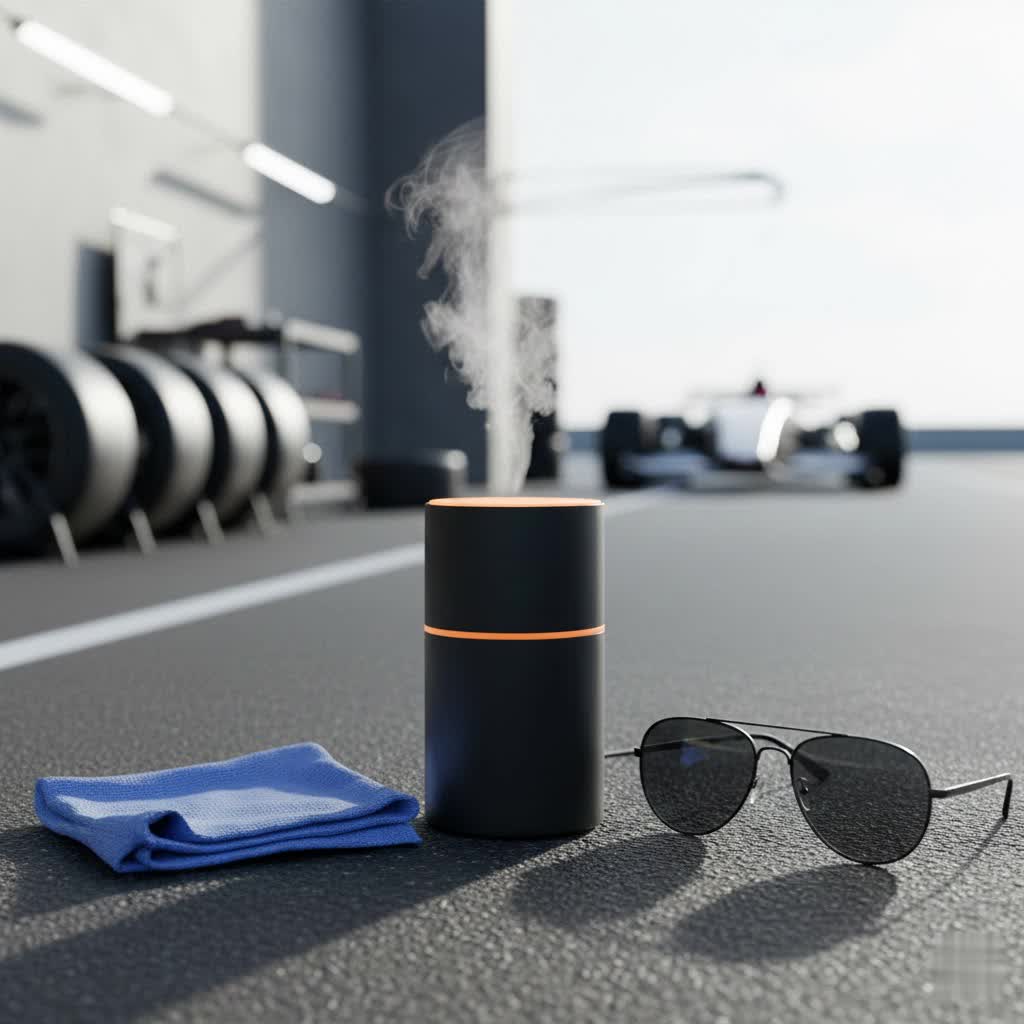
An oil diffuser is a device designed to disperse essential oils into the air, allowing you to enjoy their aromatic and therapeutic properties. For centuries, humans have sought ways to scent their environments, initially to mask odors or for ceremonial purposes. With the rise of aromatherapy, the focus shifted to harnessing the natural benefits of plant extracts. Today’s market offers various types, including evaporative, heat, nebulizing, and ultrasonic diffusers. Among these, the ultrasonic oil diffuser stands out as a popular, modern choice due to its effectiveness and ability to preserve the integrity of essential oils.
The Science Behind Ultrasonic Oil Diffusers
At its core, an ultrasonic oil diffuser operates on a fascinating principle of high-frequency vibrations, not heat. Here’s how it works: you fill the diffuser’s reservoir with water and add a few drops of your chosen essential oil. Submerged in this water is a small ceramic disc that vibrates at an ultrasonic frequency, typically millions of times per second. These rapid vibrations create tiny waves that break down the water and essential oil mixture into microscopic particles, forming a fine, cool mist. This mist is then silently released into the air, often aided by a small fan, filling your room with the natural aroma.
Crucially, because this method uses no heat, the delicate chemical composition of the essential oils remains intact. This preserves their therapeutic properties, ensuring you receive the full benefits of the plant extracts. It’s important to note that the mist produced by an ultrasonic diffuser is not steam, as no boiling or heating occurs; it’s a cool vapor that subtly adds moisture to the air.
Benefits of Using an Ultrasonic Oil Diffuser
Integrating an ultrasonic oil diffuser into your daily routine can bring a multitude of benefits, transforming not just your home’s ambiance but also contributing to your overall well-being.
- Improve Indoor Air Quality: Ultrasonic diffusers act as light humidifiers, adding moisture to dry air. This can be particularly beneficial in arid climates or during winter months, helping to alleviate dry sinuses, cracked lips, and other discomforts. Many essential oils, such as eucalyptus, tea tree, and lemon, also possess natural purifying properties, helping to cleanse the air of certain airborne pathogens and create a fresher environment.
- Stress Reduction and Mood Enhancement: Aromatherapy is renowned for its positive impact on mental and emotional states. Diffusing essential oils like lavender can promote relaxation and reduce anxiety, while citrus blends can uplift your mood and boost energy levels. Peppermint and rosemary are often used to improve focus and cognitive function, making your workspace or study area more productive.
- Better Sleep Quality: For those struggling with sleeplessness, an ultrasonic diffuser can be a powerful aid. Essential oils such as lavender, vetiver, or Roman chamomile diffused before bedtime can create a calming atmosphere, signaling to your body and mind that it’s time to unwind, leading to a more restful and deeper sleep.
- Safer Alternative for Home Fragrancing: Unlike scented candles or traditional oil burners that rely on an open flame, ultrasonic diffusers offer a much safer way to scent your home. With no heat or flame involved, they eliminate fire hazards, making them ideal for households with children or pets. Most models also come with an automatic shut-off feature, providing peace of mind as they turn off when the water level is low.
- Cost-Effective Home Fragrancing: While the initial investment in a quality diffuser and essential oils might seem higher than candles or plug-ins, ultrasonic diffusers prove to be highly cost-effective in the long run. A single bottle of pure essential oil contains hundreds of drops and can last for months, as only a few drops are needed per session, making it a sustainable and budget-friendly choice.
Types of Essential Oil Diffusers
While this guide focuses on ultrasonic diffusers, understanding the other common types can help you appreciate their unique advantages.
Ultrasonic Diffusers
|
Our Picks for the Best Oil Diffuser in 2026
As an Amazon Associate I earn from qualifying purchases.
|
||
| Num | Product | Action |
|---|---|---|
| 1 | ASAKUKI Essential Oil Diffuser 500ml, Ultrasonic Aromatherapy Humidifier with Remote Control, 7 LED Colors, Timer & Auto-Off, Large Room Diffuser |

|
| 2 | 300ML Essential Oil Diffuser with 7-Color LED Lights and Remote Control, Modern Minimalist Design, High-Efficiency Ultrasonic Mist Aromatherapy Diffuser for Home - 300ML, Modern Minimalist Design, High-Efficiency, Ultrasonic Mist, for Home |
|
| 3 | ASAKUKI 500ml Premium Essential Oil Diffuser with Remote Control, 5 in 1 Ultrasonic Aromatherapy Fragrant Oil Humidifier Vaporizer, Timer and Auto-Off Switch (White) |
|
| 4 | SALKING Essential Oil Diffuser (Set of 2), 100ml Small Aromatherapy Diffuser with Auto Shut-Off, Ultrasonic Diffusers for Essential Oils, Cool Mist Humidifier with Warm White Lights, for Office Home - Set of 2, 100ml, Small, Aromatherapy Diffuser, Essential Oils, Cool Mist Humidifier, Warm White Lights, for Office Home |
|
| 5 | URPOWER Essential Oil Diffusers for Home with 7 LED Color Changing Lights, Timer & Auto-Off Ultrasonic Aromatherapy Diffuser Cool Mist Humidifer Scent Diffuser for Bedroom, Office, Yoga |
|
| 6 | Lumixx Diffuser with Aroma Oil, Plug-in Waterless Essential Oil Diffuser, Smart Bluetooth App Control, Covers Up to 800 sq ft, 100ml Capacity, Cold Air Scent Technology, White |
|
| 7 | 3-in-1 Galaxy Projector Humidifier & Essential Oil Diffuser, 7-Color Rotating Star Night Light with Healing Water Wave Lighting, Aromatherapy for Relaxation & Sleep, for Bedroom Home Decor |
|
| 8 | Waterless Diffuser for Essential Oil: Mini Battery Scent Diffuser for Room&Home&Car with 9 Colors LED Light - Aroma Cool Mist Machine Dark Black |
|
| 9 | ASAKUKI 300ML Essential Oil Diffuser, Quiet 5-in-1 Premium Humidifier, Home Fragrance Aroma Diffuser with 7 LED Color Changing Light and Auto-Off Switch -Light Brown - Aroma Diffuser, 5-in-1, Quiet, 7 LED Color Changing Light, Auto-Off Switch, Light Brown |
|
| 10 | SALKING Essential Oil Diffuser, 100ml Small Aromatherapy Diffuser with Auto Shut-Off Function, Ultrasonic Diffusers for Essential Oils, Cool Mist Humidifier with Warm White Lights, for Office Home - 100ml, Small, Aromatherapy Diffuser, Ultrasonic Diffusers, Essential Oils, Cool Mist Humidifier, Warm White Lights, Office Home |
|
These are the most popular type, using high-frequency vibrations to create a cool mist of water and essential oils. They are known for being quiet, offering light humidification, and preserving the therapeutic properties of essential oils by avoiding heat.
Nebulizing Diffusers
Nebulizing diffusers operate without water or heat. Instead, they use an air pump to atomize pure essential oil into a concentrated, fine mist.
- Pros: Delivers a very potent, undiluted aroma; covers large areas quickly; maximizes therapeutic benefits.
- Cons: Consumes essential oils much faster; can be noisier due to the air pump; generally more expensive; harder to clean due to oil residue buildup.
Evaporative Diffusers
Evaporative diffusers use a fan to blow air across a pad or filter soaked with essential oil.
- Pros: Simple, often portable, and relatively inexpensive.
- Cons: Essential oils evaporate quickly, often losing their therapeutic properties as lighter compounds disperse first; less potent aroma; no humidification.
Heat Diffusers
Heat diffusers use a candle or an electric heating element to warm essential oils, causing them to evaporate.
- Pros: Can effectively diffuse thicker oils; generally quiet.
- Cons: Heat can alter the chemical composition and therapeutic benefits of essential oils; can pose a fire hazard if using a candle; scent can be less complex.
Ultrasonic vs. Nebulizing Diffusers: A Detailed Comparison
Choosing between an ultrasonic and a nebulizing diffuser often comes down to personal preference and specific needs. Here’s a comparative overview:
| Criteria | Ultrasonic Diffuser | Nebulizing Diffuser |
|---|---|---|
| Operation | High-frequency vibrations with water | Air pump atomizes pure oil, no water |
| Water Use | Yes, requires water | No, uses pure essential oil |
| Heat | No heat, cool mist | No heat |
| Aroma Intensity | Gentle, subtle, diluted | Intense, pure, undiluted |
| Coverage Area | Wider spread, good for ambient scenting | Concentrated, effective for larger spaces quickly |
| Noise Level | Whisper-quiet | Can be noticeably louder due to the air pump |
| Oil Consumption | Low, a few drops last hours | High, consumes oil faster (e.g., 10 drops in under an hour) |
| Therapeutic Benefits | Preserves most properties, light humidification | Maximizes pure therapeutic benefits |
| Maintenance | Easier to clean, less residue buildup, regular water changes needed to prevent mold | More challenging to clean, oil residue can build up, requires alcohol for cleaning |
| Cost | Generally more affordable | Typically more expensive |
Choosing the Right Ultrasonic Oil Diffuser for You (Buying Guide)
Selecting the perfect ultrasonic oil diffuser involves considering several factors to ensure it meets your specific needs and seamlessly integrates into your home.
Room Size and Coverage
Diffusers come with various water capacities, directly influencing their coverage area and run time. For smaller rooms like bedrooms or offices, a 100-200ml diffuser might suffice. For larger living spaces, opt for models with capacities of 300ml or more (e.g., 500-700ml) to ensure the aroma effectively permeates the entire area. Match the diffuser’s capacity to your room’s square footage for optimal performance.
Run Time and Timer Settings
Consider how long you want your diffuser to operate. Most ultrasonic diffusers offer continuous misting or intermittent settings (e.g., 30 seconds on, 30 seconds off), which conserve oil and extend run time. Timer options (e.g., 1, 3, 6 hours) and an automatic shut-off feature when the water runs low are also crucial for safety and convenience, especially if you plan to use it overnight.
Design and Aesthetics
Ultrasonic diffusers are not just functional but also decorative. They come in a wide array of designs, materials (plastic, ceramic, glass, wood finishes), and colors. Choose a style that complements your home decor. Many models also include LED lighting with various color options, which can add to the ambiance, though some prefer the option to turn lights off for nighttime use.
Noise Level
One of the key advantages of ultrasonic diffusers is their quiet operation. Look for models advertised as “whisper-quiet” (often under 30dB) to ensure a peaceful environment, especially if you intend to use it in a bedroom or office.
Additional Features
Modern diffusers offer various supplementary features that enhance user experience:
- Remote Control: For convenient operation from a distance.
- Bluetooth Speaker: Combines aromatherapy with your favorite music.
- Humidifier Combo: Offers enhanced humidification alongside essential oil diffusion, particularly useful in very dry environments.
- Smart Connectivity: Wi-Fi enabled diffusers can be controlled via apps or voice assistants.
Brand Reputation and Reviews
Invest in a diffuser from a reputable brand known for quality and durability. Reading user reviews can provide valuable insights into a product’s real-world performance, reliability, and ease of use, helping you make an informed decision.
Top Ultrasonic Oil Diffusers
Many highly-rated ultrasonic diffusers offer a blend of functionality, aesthetics, and reliability. For instance, some popular models boast large 500-700ml capacities, providing extended run times suitable for spacious rooms. Others feature elegant ceramic or wood-grain designs that seamlessly blend with modern decor. Smart diffusers with Wi-Fi connectivity and app control are gaining popularity, allowing users to schedule diffusion and customize settings remotely. Budget-friendly options often prioritize essential features like auto-shutoff and multiple mist settings, making aromatherapy accessible to everyone. When exploring options, consider diffusers that offer quiet operation, versatile timer settings, and aesthetic appeal to find one that perfectly suits your preferences.
How to Use and Maintain Your Ultrasonic Oil Diffuser
To ensure your ultrasonic oil diffuser operates effectively and lasts for years, proper usage and regular maintenance are essential.
Proper Usage
- Placement: Always place your diffuser on a stable, flat, and water-resistant surface to prevent spills and ensure proper mist dispersion.
- Filling: Unplug the diffuser first. Fill the water reservoir with clean tap water or distilled water up to the indicated max fill line. Avoid overfilling, as this can affect mist output.
- Adding Essential Oils: Add 5-10 drops of your preferred pure essential oil directly into the water. You can adjust the number of drops based on the size of your room and your desired aroma intensity.
- Operation: Secure the lid, plug in the diffuser, and select your desired settings (mist mode, timer, lights) according to the manufacturer’s instructions.
- Water Type: While tap water is often sufficient, some brands recommend distilled water to minimize mineral buildup, which can prolong the diffuser’s life. The natural minerals in tap or bottled water can actually enhance essential oil dispersion, but also lead to scale build-up.
Cleaning and Care
Regular cleaning is vital to prevent essential oil residue buildup and potential mold growth, ensuring optimal performance and extending the life of your diffuser.
- Daily Rinse: After each use, unplug the diffuser, empty any remaining water, and gently wipe the inside of the water tank with a clean cloth or paper towel.
- Weekly Deep Clean: At least once a week, or when changing essential oils, perform a deeper clean.
- Unplug the diffuser and empty the water.
- Add a small amount of white vinegar (about 1 tablespoon) to the water reservoir and let it sit for 5-10 minutes to help break down oil residue and mineral deposits.
- Carefully clean the ultrasonic disc with a cotton swab dipped in rubbing alcohol. Avoid scrubbing vigorously, as this can damage the disc.
- Rinse the reservoir with clean water, avoiding contact with the air outlet.
- Wipe the entire unit dry with a soft cloth before storing or refilling.
- Important Considerations:
- Avoid Harsh Chemicals: Do not use abrasive cleaners or harsh chemicals, as they can damage the diffuser’s components.
- Do Not Submerge: Never submerge the base of the diffuser in water, as this can damage the electronic components.
- Air Dry: Ensure all parts are thoroughly air-dried before reassembling or using again.
Important Considerations
- Essential Oil Quality: Always use 100% pure, therapeutic-grade essential oils. Low-quality or synthetic oils can contain harmful chemicals, clog your diffuser, and negate potential health benefits.
- Pet Safety: While diffusing can be beneficial, some essential oils can be toxic to pets. Always diffuse in a well-ventilated area, and avoid diffusing around pets, especially cats and birds, without researching pet-safe oils and consulting a veterinarian.
- Children: Keep diffusers out of reach of children and supervise their use. Always use appropriate essential oil dilutions and ensure proper ventilation.
Conclusion
Ultrasonic oil diffusers are more than just aesthetically pleasing gadgets; they are powerful tools for enhancing your environment and supporting your well-being. By utilizing cool mist technology, they deliver the full aromatic and therapeutic benefits of essential oils, transforming your space into a serene sanctuary. From improving air quality and boosting mood to promoting restful sleep and serving as a safe home fragrancing alternative, their advantages are clear. With various types and features available, choosing the right diffuser and maintaining it properly will ensure you enjoy a consistent, natural aroma for years to come. Which essential oil blend will you choose to transform your space first?
Frequently Asked Questions
Are ultrasonic diffusers safe for pets?
Ultrasonic diffusers are generally safer than heat-based methods, but caution is advised with pets. Always ensure good ventilation and research which essential oils are toxic to your specific pets, avoiding those known to be harmful, especially for cats and birds.
What kind of water should I use in my ultrasonic diffuser?
Most manufacturers recommend using clean tap water. However, if you live in an area with hard water, distilled water can help prevent mineral buildup and prolong the life of your diffuser, though the minerals in tap water can assist dispersion.
How often should I clean my ultrasonic diffuser?
It’s best to perform a quick rinse after each use and a more thorough cleaning, including wiping the ultrasonic disc with rubbing alcohol, at least once a week or whenever you switch essential oils to prevent residue buildup and mold.
Can I use fragrance oils in my ultrasonic diffuser?
It is generally recommended to use only 100% pure essential oils in your ultrasonic diffuser. Fragrance oils often contain synthetic chemicals that can damage the diffuser, leave a sticky residue, and may not offer any therapeutic benefits.
Do ultrasonic diffusers act as humidifiers?
Yes, ultrasonic diffusers release a cool mist of water into the air, providing a light humidifying effect. This can be beneficial in dry environments for alleviating issues like dry skin or congested sinuses.
