Are you seeking the purest and most potent way to experience essential oils, transforming your space into a sanctuary of well-being? While many diffusers exist, the nebulizing essential oil diffuser stands out as a premium choice for those who prioritize the unadulterated essence and full therapeutic benefits of their oils. Unlike other methods, a nebulizing diffuser unleashes a concentrated aroma without dilution, offering an unparalleled aromatherapy experience. This comprehensive guide will explore everything you need to know about these sophisticated devices, helping you understand their unique technology, benefits, and how to choose the perfect one for your needs.
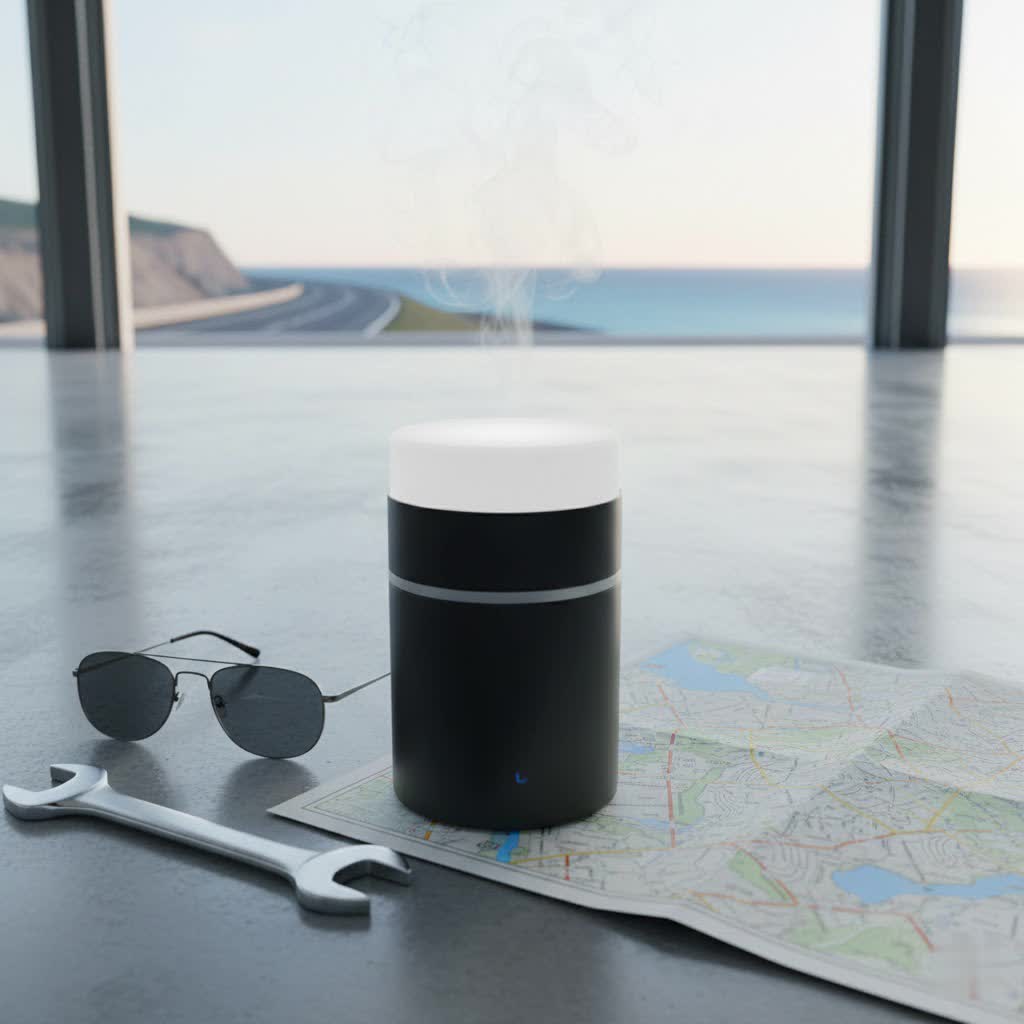
What is a Nebulizing Essential Oil Diffuser?
A nebulizing essential oil diffuser is an advanced aromatherapy device designed to disperse pure essential oils into the air without the need for water or heat. This innovative technology atomizes essential oils into a fine, highly concentrated mist of microscopic particles, saturating your environment with their natural aroma and therapeutic properties.
At its core, a nebulizing diffuser operates using a principle similar to an atomizer. It typically consists of a base that houses an air pump and a delicate glass or high-quality plastic nebulizer attachment. The air pump generates a pressurized air stream, which passes through a specially designed nozzle. This airflow creates a vacuum effect, drawing pure essential oil from the reservoir up a small tube. As the oil rises, it is shattered into incredibly fine particles by the high-velocity air, which are then released into the air as a dry, fragrant mist. Because there’s no water involved, the essential oil remains undiluted and its chemical integrity, along with its therapeutic benefits, is fully preserved. The elegant designs, often featuring handcrafted glass and natural wood, also make them a beautiful addition to any decor.
The Benefits of Using a Nebulizing Essential Oil Diffuser
Choosing a nebulizing essential oil diffuser offers a distinct set of advantages, particularly for those seeking an intense and therapeutic aromatherapy experience.
Unparalleled Purity and Potency: One of the most significant benefits is the diffusion of 100% pure, undiluted essential oil. Since no water or heat is used, the oil’s chemical composition remains unaltered, ensuring you receive the full therapeutic benefits and a much stronger, more concentrated aroma compared to other diffuser types.
Superior Scent Dispersion: Nebulizing diffusers are incredibly efficient at filling large spaces quickly and effectively. The microscopic oil particles travel further and remain suspended in the air longer, providing consistent and potent scent coverage across rooms up to 800 square feet or more. This makes them ideal for living areas, offices, or even commercial spaces.
Enhanced Health and Therapeutic Benefits: The concentrated delivery of essential oils maximizes their potential therapeutic effects. Users report benefits such as improved mood, stress reduction, enhanced focus, respiratory support (e.g., for congestion with eucalyptus oil), and even air purification from airborne bacteria and viruses.
Waterless Operation Eliminates Mold and Dilution: Without a water reservoir, there’s no risk of mold or fungus growth, a common concern with ultrasonic diffusers that use water. It also means you don’t have to worry about diluting your precious essential oils, ensuring every drop contributes to the aroma and therapeutic effect.
Often Plastic-Free and Durable: Many nebulizing diffusers are crafted from high-quality materials like glass and natural wood. This not only enhances their aesthetic appeal but also prevents the potential corrosion of plastic parts by certain essential oils, especially citrus varieties, ensuring a purer diffusion and longer lifespan.
Increased Safety (No Heat): Operating without heat, these diffusers eliminate any risks associated with heating essential oils, which can sometimes alter their delicate chemical structure. This makes them a safe option for continuous use.
Drawbacks of Nebulizing Essential Oil Diffusers
While nebulizing diffusers offer premium performance, it’s important to be aware of their potential downsides to make an informed decision.
Higher Essential Oil Consumption: Due to the method of dispersing pure, undiluted oil, nebulizing diffusers tend to use essential oils at a faster rate than ultrasonic or evaporative models. This means you might find yourself refilling your oil reservoir more frequently, leading to higher ongoing costs for essential oils.
Higher Initial Cost: Generally, nebulizing diffusers have a higher upfront price tag compared to most other types of diffusers. This is often due to the quality of materials used (like hand-blown glass and hardwood) and the precision engineering of the atomizing mechanism.
Potential for Noise: Some nebulizing diffusers, particularly older or less refined models, can produce a noticeable humming or buzzing sound from the air pump. While many modern designs are engineered to be quiet, they might still be slightly louder than the near-silent operation of some ultrasonic diffusers.
Fragility: The beautiful glass components, while aesthetically pleasing and ideal for purity, can be fragile. They are susceptible to breakage if dropped or mishandled, requiring careful placement and handling.
Requires Regular Cleaning: To maintain optimal performance and prevent clogging of the fine nozzles, nebulizing diffusers require regular cleaning, typically with rubbing alcohol. This maintenance is crucial, especially when switching between different types of essential oils, to ensure consistent output and longevity.
Nebulizing vs. Ultrasonic Diffusers: A Detailed Comparison
The choice between a nebulizing and an ultrasonic diffuser is one of the most common dilemmas for aromatherapy enthusiasts. Both have merits, but they cater to different needs and preferences. Here’s a detailed comparison:
| Feature | Nebulizing Diffuser | Ultrasonic Diffuser |
|---|---|---|
| Water Use | None (Waterless) | Yes (Requires water) |
| Heat Use | None | None (Uses ultrasonic vibrations) |
| Scent Purity/Potency | 100% pure, highly concentrated, very potent aroma | Diluted with water, gentler, more subtle aroma |
| Area Coverage | Excellent for large spaces (up to 800+ sq ft) | Good for small to medium spaces |
| Essential Oil Use | Higher consumption (uses more oil faster) | Lower consumption (oils diluted, lasts longer) |
| Noise Level | Can have a light humming sound (air pump), though many are quiet | Very quiet (soft bubbling or misting sound) |
| Initial Cost | Generally higher | Generally lower (more budget-friendly) |
| Humidification | None (dry mist) | Adds a light mist and increases local humidity |
| Maintenance | Regular cleaning with alcohol to prevent clogs | Regular cleaning with alcohol to prevent mold/fungus |
| Materials | Often glass and wood (BPA-free) | Typically plastic (can be corroded by citrus oils) |
| Therapeutic Focus | Maximized therapeutic benefits, intense aromatherapy | General aromatherapy, calming effects |
> “For a truly unadulterated aromatherapy experience, where the full essence and therapeutic potential of essential oils are paramount, the nebulizing diffuser stands in a class of its own.” – Admin, reviewvevor.com
How to Choose the Right Nebulizing Essential Oil Diffuser
Selecting the perfect nebulizing essential oil diffuser involves considering several factors to match the device with your specific needs and preferences.
Determine Your Usage Needs
|
Our Picks for the Best Oil Diffuser in 2026
As an Amazon Associate I earn from qualifying purchases.
|
||
| Num | Product | Action |
|---|---|---|
| 1 | 300ML Essential Oil Diffuser with 7-Color LED Lights and Remote Control, Modern Minimalist Design, High-Efficiency Ultrasonic Mist Aromatherapy Diffuser for Home - 300ML, Modern Minimalist Design, High-Efficiency, Ultrasonic Mist, for Home |

|
| 2 | ASAKUKI 300ML Essential Oil Diffuser, Quiet 5-in-1 Premium Humidifier, Home Fragrance Aroma Diffuser with 7 LED Color Changing Light and Auto-Off Switch -Light Brown - Aroma Diffuser, 5-in-1, Quiet, 7 LED Color Changing Light, Auto-Off Switch, Light Brown |
|
| 3 | Lumixx Diffuser with Aroma Oil, Plug-in Waterless Essential Oil Diffuser, Smart Bluetooth App Control, Covers Up to 800 sq ft, 100ml Capacity, Cold Air Scent Technology, White |
|
| 4 | 3-in-1 Galaxy Projector Humidifier & Essential Oil Diffuser, 7-Color Rotating Star Night Light with Healing Water Wave Lighting, Aromatherapy for Relaxation & Sleep, for Bedroom Home Decor |
|
| 5 | URPOWER Essential Oil Diffusers for Home with 7 LED Color Changing Lights, Timer & Auto-Off Ultrasonic Aromatherapy Diffuser Cool Mist Humidifer Scent Diffuser for Bedroom, Office, Yoga |
|
| 6 | ASAKUKI Essential Oil Diffuser 500ml, Ultrasonic Aromatherapy Humidifier with Remote Control, 7 LED Colors, Timer & Auto-Off, Large Room Diffuser |
|
| 7 | SALKING Essential Oil Diffuser, 100ml Small Aromatherapy Diffuser with Auto Shut-Off Function, Ultrasonic Diffusers for Essential Oils, Cool Mist Humidifier with Warm White Lights, for Office Home - 100ml, Small, Aromatherapy Diffuser, Ultrasonic Diffusers, Essential Oils, Cool Mist Humidifier, Warm White Lights, Office Home |
|
| 8 | ASAKUKI 500ml Premium Essential Oil Diffuser with Remote Control, 5 in 1 Ultrasonic Aromatherapy Fragrant Oil Humidifier Vaporizer, Timer and Auto-Off Switch (White) |
|
| 9 | Waterless Diffuser for Essential Oil: Mini Battery Scent Diffuser for Room&Home&Car with 9 Colors LED Light - Aroma Cool Mist Machine Dark Black |
|
| 10 | SALKING Essential Oil Diffuser (Set of 2), 100ml Small Aromatherapy Diffuser with Auto Shut-Off, Ultrasonic Diffusers for Essential Oils, Cool Mist Humidifier with Warm White Lights, for Office Home - Set of 2, 100ml, Small, Aromatherapy Diffuser, Essential Oils, Cool Mist Humidifier, Warm White Lights, for Office Home |
|
Consider the size of the room or space where you intend to use the diffuser. Nebulizers are excellent for larger areas, so ensure the model’s coverage capacity aligns with your room dimensions for optimal scent dispersion. Also, think about your primary purpose: Is it for intense therapeutic benefits, general ambiance, or specific concerns like congestion?
Prioritize Material Quality
Opt for models made with high-quality, non-plastic materials such as hand-blown glass and natural wood. These materials not only contribute to the diffuser’s aesthetic appeal but also prevent essential oil corrosion and ensure the purest diffusion without chemical leaching. Glass reservoirs are crucial for preserving oil integrity.
Evaluate Features and Settings
Look for features that enhance usability and control. Adjustable intensity settings allow you to control the strength of the aroma. Intermittent mist modes (e.g., 2 minutes on, 1 minute off) help conserve essential oils and prevent over-saturation. Built-in timers are convenient for setting specific diffusion durations and automatic shut-off.
Consider Noise Levels
While nebulizing diffusers generally produce some noise, modern designs have made significant improvements in reducing it. If you are particularly sensitive to sound, especially for use in a bedroom or quiet office, research models specifically praised for their quiet operation. Reading user reviews can provide valuable insights into real-world noise levels.
Balance Cost and Oil Consumption
Be prepared for a higher initial investment compared to other diffuser types. Factor in the ongoing cost of essential oils, as nebulizers use them more quickly. While the upfront cost is higher, many consider the enhanced therapeutic benefits and purity a worthwhile long-term investment.
Check Brand Reputation and User Reviews
Investigate reputable brands known for quality nebulizing diffusers. Read customer reviews for feedback on durability, ease of cleaning, noise, and overall satisfaction. Brands like Organic Aromas and ArOmis are frequently mentioned for their quality nebulizers.
Using and Maintaining Your Nebulizing Essential Oil Diffuser
To ensure your nebulizing essential oil diffuser operates efficiently and lasts for years, proper usage and maintenance are key.
Safe and Effective Usage
- Add Undiluted Essential Oil: Always add pure, undiluted essential oil directly into the glass reservoir. Never add water or carrier oils, as this can damage the diffuser and impede its function.
- Avoid Overfilling: Refer to your diffuser’s instructions for the recommended oil capacity. Overfilling can lead to leaks or inefficient diffusion.
- Adjust Settings: Utilize the intensity control to customize the aroma strength to your preference. Use intermittent settings to conserve oil and maintain a pleasant, non-overpowering scent.
- Use Timers: Set the built-in timer for desired operation duration. Many users find 10-20 minute cycles with breaks to be effective and economical.
- Placement: Place the diffuser on a stable, flat surface away from direct sunlight, heat sources, and out of reach of children and pets.
Proper Cleaning and Care
Regular cleaning is crucial for nebulizing diffusers to prevent clogging and maintain optimal performance, especially when switching between different essential oils.
- Empty Remaining Oil: When finished diffusing or before cleaning, carefully pour any remaining essential oil back into its original bottle.
- Initial Rinse (Optional): You can gently rinse the glass nebulizer with warm water, but ensure it is completely dry before adding alcohol.
- Alcohol Rinse: Pour a small amount (e.g., 1-2 teaspoons) of rubbing alcohol (isopropyl alcohol) into the reservoir.
- Run Briefly: Run the diffuser on its highest setting for 5-10 minutes. The alcohol will help dissolve any essential oil residue that could cause clogs.
- Empty and Dry: Pour out the alcohol and allow the glass components to air dry completely before the next use.
- Deep Cleaning: For stubborn clogs, you may need to soak the glass nebulizer in rubbing alcohol for a few hours or overnight, then rinse and run the diffuser with fresh alcohol.
- Frequency: Clean your diffuser at least once a week with regular use, or more frequently if you use thick essential oils or switch oils often.
Important Considerations
- Essential Oil Quality: Always use high-quality, pure essential oils from reputable sources. Inferior oils can contain additives that may clog your diffuser.
- Thick Oils: Be cautious with very thick essential oils (e.g., Sandalwood, Myrrh, Vetiver) as they may be more prone to clogging. Use them sparingly or dilute them with a thinner essential oil if recommended by the manufacturer.
- Handle with Care: Due to the glass components, handle your nebulizing diffuser gently to prevent breakage.
Conclusion
The nebulizing essential oil diffuser offers a superior aromatherapy experience, delivering the purest, most potent form of essential oils without dilution or heat. While they represent a higher initial investment and consume more oil, the unparalleled therapeutic benefits, concentrated aroma, and waterless, plastic-free operation make them a top choice for serious aromatherapy enthusiasts. By understanding how they work, their distinct advantages and disadvantages, and how to properly choose and maintain one, you can harness the full power of essential oils to create a truly transformative and invigorating atmosphere in your home or office. Are you ready to elevate your aromatherapy journey to its purest form?
Frequently Asked Questions
Do nebulizing diffusers use water?
No, nebulizing essential oil diffusers are waterless. They atomize pure essential oils into a fine mist using pressurized air, ensuring that the oils remain undiluted and their therapeutic properties are fully preserved.
Are nebulizing diffusers louder than ultrasonic ones?
Some nebulizing diffusers can produce a light humming sound from their air pump, making them potentially louder than the near-silent operation of most ultrasonic diffusers. However, many modern nebulizing models are designed for quieter performance.
How often should I clean my nebulizing diffuser?
It is recommended to clean your nebulizing diffuser at least once a week with rubbing alcohol, especially if used frequently or when switching essential oil types. This prevents oil residue buildup and clogging of the fine nozzles.
Can I use any essential oil in a nebulizing diffuser?
Generally, yes, but it’s best to use pure, high-quality essential oils. Very thick oils like Sandalwood or Myrrh may require more frequent cleaning or might not be recommended by all manufacturers due to a higher risk of clogging.
Are nebulizing diffusers worth the higher cost?
For those seeking the maximum therapeutic benefits, purest aroma, and most effective scent dispersion, many users find the higher initial cost and increased oil consumption of a nebulizing diffuser to be a worthwhile investment in their wellness and home environment.
