In our fast-paced world, finding moments of tranquility can feel like a luxury. You might yearn for the calming embrace of lavender or the invigorating burst of citrus, but your lifestyle keeps you on the move. Traditional diffusers, tethered by cords and confined to outlets, often can’t keep up. This is where the innovative Battery Operated Oil Diffuser steps in, liberating aromatherapy from its limitations and bringing its benefits wherever you go.
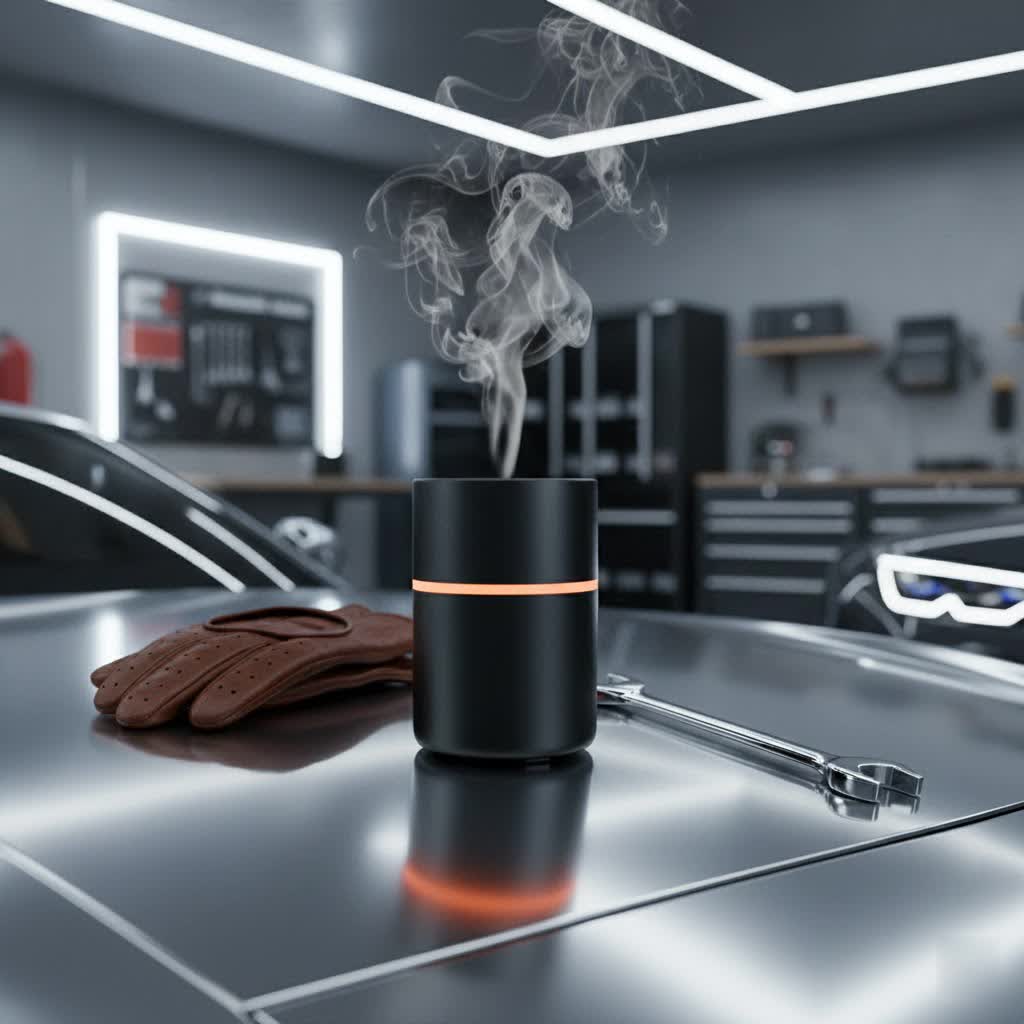
Imagine transforming your car into a mobile sanctuary, your office desk into a focused workspace, or a hotel room into a personal spa, all with the simple touch of a button. These cordless wonders offer unparalleled flexibility, allowing you to curate your environment and enhance your well-being, anytime, anywhere. This comprehensive guide will explore everything you need to know about battery operated essential oil diffusers, from understanding their technology to choosing the perfect model for your unique needs.
What is a Battery Operated Oil Diffuser?
A battery operated oil diffuser is a device designed to disperse essential oils into the air without the need for a continuous power cord or wall outlet. Unlike their plug-in counterparts, these diffusers draw power from internal batteries, which can be either disposable (like AA or AAA batteries) or rechargeable (often via a USB cable). This independence from electrical sockets is their defining feature, offering true portability and allowing you to enjoy aromatherapy in virtually any setting.
The concept of diffusing essential oils for well-being dates back centuries, but the modern electric diffuser emerged in the late 20th century. Battery-operated versions represent a natural evolution, driven by the increasing demand for convenience and mobile wellness solutions. They empower users to take their favorite scents beyond the confines of a home, making aromatherapy a seamless part of their on-the-go lifestyle.
Within the realm of battery-operated diffusers, you’ll primarily find a few common types, each with distinct mechanisms for scent dispersal. These include ultrasonic, nebulizing, and fan-based evaporative diffusers, all adapted for cordless operation to maximize their versatility.
Benefits of Using a Battery Operated Oil Diffuser
The advantages of integrating a battery operated essential oil diffuser into your daily routine are numerous, extending far beyond simply making a space smell pleasant. Their portability unlocks a host of unique benefits for both mind and body.
One of the most significant benefits is the unmatched portability and convenience they offer. You are no longer restricted to areas with electrical outlets, allowing you to move your aromatherapy experience from your living room to your patio, your car, or even your workspace. This freedom makes them ideal for travel, camping, or simply shifting your diffuser from room to room as your needs change.
Beyond mere mobility, these devices contribute to enhancing your overall well-being. They can reduce stress and anxiety, promoting a sense of calm and relaxation, whether you’re stuck in traffic or facing a demanding workday. Diffusing calming oils like lavender before bed can significantly improve sleep quality, signaling to your body that it’s time to unwind. For moments requiring mental sharpness, invigorating essential oils like peppermint or citrus can boost focus and productivity, making a battery operated oil diffuser a valuable tool for students and professionals alike.
For ultrasonic battery diffusers, an added benefit is their ability to slightly improve indoor air quality by adding a fine, cool mist of humidity to dry environments. While not air purifiers, some essential oils possess antimicrobial properties that can help freshen the air. Furthermore, waterless nebulizing battery diffusers ensure you experience the pure, undiluted essence of essential oils, preserving their therapeutic properties without any water or heat. The cordless nature also enhances safety, eliminating the risk of tripping over wires, a particular concern in homes with children or pets.
> “The freedom to create a perfectly scented atmosphere on your terms is now a reality with a high-quality battery operated essential oil diffuser. You can transform any environment into a haven of tranquility or an island of focus, anytime, anywhere.” – Airomatica, Essential Oil Diffuser Experts
Types of Battery Operated Oil Diffusers
Understanding the different types of diffusion technology available in battery-operated models is key to selecting the right one for your needs. Each type offers distinct advantages and disadvantages.
Ultrasonic Diffuser
Portable ultrasonic diffusers utilize high-frequency vibrations to break down a mixture of water and essential oils into a fine, cool mist. This mist is then dispersed into the air, carrying the aroma and a light touch of humidity.
- Pros:
- Quiet Operation: Generally very quiet, making them suitable for bedrooms and offices.
- Humidification: Adds a small amount of moisture to the air, which can be beneficial in dry climates.
- Cost-Effective: Often more affordable than nebulizing diffusers.
- Gentle Diffusion: Creates a subtle, consistent aroma.
- Cons:
- Requires Water: Needs regular refilling of water and cleaning to prevent mold buildup.
- Diluted Scent: Essential oils are mixed with water, which can slightly dilute their potency.
- Maintenance: Requires regular cleaning to prevent mineral and oil residue.
- How to Use: Fill the water reservoir to the indicated line, add a few drops of essential oil, replace the lid, and turn it on. Clean regularly with water and a mild detergent or vinegar solution.
|
Our Picks for the Best Oil Diffuser in 2026
As an Amazon Associate I earn from qualifying purchases.
|
||
| Num | Product | Action |
|---|---|---|
| 1 | Waterless Diffuser for Essential Oil: Mini Battery Scent Diffuser for Room&Home&Car with 9 Colors LED Light - Aroma Cool Mist Machine Dark Black |

|
| 2 | ASAKUKI Essential Oil Diffuser 500ml, Ultrasonic Aromatherapy Humidifier with Remote Control, 7 LED Colors, Timer & Auto-Off, Large Room Diffuser |
|
| 3 | ASAKUKI 500ml Premium Essential Oil Diffuser with Remote Control, 5 in 1 Ultrasonic Aromatherapy Fragrant Oil Humidifier Vaporizer, Timer and Auto-Off Switch (White) |
|
| 4 | Lumixx Diffuser with Aroma Oil, Plug-in Waterless Essential Oil Diffuser, Smart Bluetooth App Control, Covers Up to 800 sq ft, 100ml Capacity, Cold Air Scent Technology, White |
|
| 5 | URPOWER Essential Oil Diffusers for Home with 7 LED Color Changing Lights, Timer & Auto-Off Ultrasonic Aromatherapy Diffuser Cool Mist Humidifer Scent Diffuser for Bedroom, Office, Yoga |
|
| 6 | SALKING Essential Oil Diffuser, 100ml Small Aromatherapy Diffuser with Auto Shut-Off Function, Ultrasonic Diffusers for Essential Oils, Cool Mist Humidifier with Warm White Lights, for Office Home - 100ml, Small, Aromatherapy Diffuser, Ultrasonic Diffusers, Essential Oils, Cool Mist Humidifier, Warm White Lights, Office Home |
|
| 7 | 3-in-1 Galaxy Projector Humidifier & Essential Oil Diffuser, 7-Color Rotating Star Night Light with Healing Water Wave Lighting, Aromatherapy for Relaxation & Sleep, for Bedroom Home Decor |
|
| 8 | 300ML Essential Oil Diffuser with 7-Color LED Lights and Remote Control, Modern Minimalist Design, High-Efficiency Ultrasonic Mist Aromatherapy Diffuser for Home - 300ML, Modern Minimalist Design, High-Efficiency, Ultrasonic Mist, for Home |
|
| 9 | SALKING Essential Oil Diffuser (Set of 2), 100ml Small Aromatherapy Diffuser with Auto Shut-Off, Ultrasonic Diffusers for Essential Oils, Cool Mist Humidifier with Warm White Lights, for Office Home - Set of 2, 100ml, Small, Aromatherapy Diffuser, Essential Oils, Cool Mist Humidifier, Warm White Lights, for Office Home |
|
| 10 | ASAKUKI 300ML Essential Oil Diffuser, Quiet 5-in-1 Premium Humidifier, Home Fragrance Aroma Diffuser with 7 LED Color Changing Light and Auto-Off Switch -Light Brown - Aroma Diffuser, 5-in-1, Quiet, 7 LED Color Changing Light, Auto-Off Switch, Light Brown |
|
Nebulizing Diffuser
Nebulizing diffusers, often found in waterless, battery-operated designs, use pressurized air to atomize pure essential oil directly into a micro-fine mist. They do not require water or heat.
- Pros:
- Pure Potency: Delivers the most concentrated and undiluted aroma, preserving the full therapeutic benefits of essential oils.
- Waterless & Heatless: No water means no mold risk, less maintenance (beyond oil residue), and no heat alters oil properties.
- Strong Scent Throw: Excellent for quickly scenting larger spaces, even with a small device.
- Cons:
- Higher Oil Consumption: Uses essential oils more quickly than ultrasonic diffusers.
- Potentially Louder: Some models can be noisier due to the air pump mechanism.
- Higher Cost: Typically more expensive upfront.
- Limited Scent Switching: Can be messier to switch oils compared to simple pad replacement.
- How to Use: Directly attach a bottle of pure essential oil or fill the dedicated reservoir. Turn on to diffuse. Occasional cleaning of the nozzle might be required.
Evaporative Diffuser (Fan-based)
Evaporative diffusers use a small fan to blow air across an absorbent pad or filter soaked with essential oils, causing them to evaporate into the air. Many portable, battery-operated versions fall into this category.
- Pros:
- Simple to Use: Very straightforward operation with minimal setup.
- Highly Portable: Often very small and lightweight, perfect for personal spaces.
- Quick Aroma: Provides an immediate burst of fragrance.
- Easy Scent Switching: Simply change the oil-soaked pad to switch scents.
- Cons:
- Less Consistent Diffusion: Lighter oil components may diffuse faster, leading to uneven aroma.
- Limited Coverage: Best for small, personal spaces like a desk or car.
- Pad Replacements: Requires purchasing and replacing pads.
- Less Therapeutic: Heat from a fan might slightly alter oil properties, though generally minimal.
- How to Use: Add a few drops of essential oil to the absorbent pad, insert the pad into the diffuser, and turn on the fan. Replace pads when they lose their scent or when switching oils.
Heat Diffuser
While less common in truly battery-operated form for portability due to power consumption, some small, portable heat diffusers exist. They gently warm essential oils to evaporate their aroma into the air.
- Pros:
- Quiet Operation: Operates silently.
- Affordable: Generally the most budget-friendly type of diffuser.
- Cons:
- Alters Oil Properties: Heat can change the chemical composition of essential oils, potentially reducing their therapeutic benefits.
- Less Potent Scent: The aroma may be less robust compared to other methods.
- Safety Risk: Risk of overheating, though modern devices have safety features.
- How to Use: Place essential oil in a dish that is gently heated.
Comparing Battery Operated Oil Diffusers
Choosing the best battery operated oil diffuser involves weighing the pros and cons of each type against your personal preferences and intended use. Here’s a comparison table to help you decide:
| Feature | Ultrasonic Diffuser | Nebulizing Diffuser | Evaporative (Fan) Diffuser |
|---|---|---|---|
| Diffusion Method | Water & ultrasonic vibrations | Pressurized air, pure oil | Fan blowing over oil-soaked pad |
| Scent Potency | Moderate (oils diluted with water) | Very strong, pure, undiluted | Mild to moderate (evaporation) |
| Water Requirement | Yes | No | No |
| Heat Requirement | No (cool mist) | No (cold diffusion) | No (ambient air) |
| Coverage Area | Small to medium rooms | Small to large rooms (can be very powerful) | Small, personal spaces (desk, car) |
| Battery Life | Variable, often 4-8 hours continuous | Variable, can be shorter due to power for pump | Generally good, low power consumption |
| Noise Level | Very quiet | Can be audible (air pump) | Quiet (fan hum) |
| Ease of Cleaning | Moderate (needs regular water tank cleaning) | Low (just oil reservoir/nozzle, no water) | Very low (change pads, wipe down) |
| Oil Consumption | Low to moderate | High | Low |
| Price Range | Generally affordable to mid-range | Mid to high-end | Very affordable |
| Maintenance | Water tank cleaning, mist nozzle unclogging | Nozzle cleaning, oil residue removal | Pad replacement |
| Portability | Excellent (compact, often USB-rechargeable) | Excellent (compact, waterless, often USB-rechargeable) | Excellent (very small, simple battery operation) |
How to Choose the Right Battery Operated Oil Diffuser (Buying Guide)
Selecting the ideal battery operated oil diffuser means considering your lifestyle and what you truly value in an aromatherapy device. Here’s a detailed guide to help you make an informed decision:
Determine Your Needs and Usage
First, consider where and how often you plan to use your cordless diffuser.
- Area Size: For a small office desk, car, or personal space, a compact evaporative or small ultrasonic diffuser might suffice. For a larger bedroom, living area, or even whole-home scenting, a powerful nebulizing diffuser is likely more effective. Some nebulizers can cover up to 1200 square feet.
- Purpose: Do you want subtle background aroma, intense therapeutic benefits, or just a quick freshen-up? Nebulizers offer the purest, most potent experience, while ultrasonics provide a gentler, humidifying mist.
- Portability Level: If you need something that fits in a purse or a small bag for frequent travel, look for extremely compact and spill-proof designs.
Choose the Right Diffuser Type
Based on the comparison above, decide which technology best suits you:
- Ultrasonic: Best if you prefer a quiet operation, appreciate a touch of humidification, and don’t mind refilling water. Often a good all-rounder for personal spaces.
- Nebulizing: Ideal if you prioritize the pure, undiluted therapeutic benefits of essential oils and want a strong, far-reaching aroma without water. Be prepared for higher oil consumption and a potentially higher price.
- Evaporative (Fan-based): Excellent for basic, on-demand scenting in very small areas, with minimal maintenance and low cost.
Battery Life and Charging Options
This is crucial for any battery operated device.
- Runtime: How long do you need it to run on a single charge or set of batteries? Many offer 4-8 hours on continuous mode, and 8-12 hours on intermittent settings.
- Rechargeable vs. Disposable: Rechargeable batteries (often via USB-C) are more eco-friendly and convenient for regular use. Disposable battery models offer ultimate independence from charging cables but incur ongoing battery costs and waste.
- Charging Time: Consider how long it takes to fully recharge the device.
Look for Essential Features
- Mist Settings: Many diffusers offer continuous and intermittent mist settings, allowing you to control intensity and conserve battery/oil.
- Timer: Auto shut-off timers are valuable for safety and convenience, especially when using the diffuser for sleep or while leaving a room.
- LED Lights: Some models include ambient LED lighting, which can double as a night light or enhance the mood.
- App Control/Bluetooth: Advanced nebulizing diffusers often come with app control, allowing you to schedule operation, adjust intensity, and even manage multiple devices from your smartphone.
Consider Brand Reputation and User Reviews
Always check reviews from other users. Pay attention to feedback regarding battery life, durability, ease of cleaning, noise levels, and effective scent dispersion. Reputable brands often offer better warranty and customer support.
Top 3 Battery Operated Oil Diffusers
Here’s a look at some highly-regarded battery operated oil diffusers, showcasing the variety and innovation in the market:
1. Vitruvi Move Cordless Diffuser
The Vitruvi Move is a popular choice for those seeking a stylish and versatile ultrasonic diffuser. Its elegant design makes it a statement piece, while its cordless functionality offers freedom.
- Pros: Aesthetic design, rechargeable battery with charging pad, two mist settings (4 or 8 hours intermittent), optional LED light ring, lightweight for easy portability.
- Cons: Higher price point, smaller water tank capacity may require more frequent refills for longer sessions.
- Price: Premium range.
2. Airomatica The Tower Wireless Luxury Scent Diffuser (Nebulizing)
For an unparalleled, pure aromatherapy experience in larger spaces, The Tower Wireless from Airomatica stands out. This nebulizing diffuser offers powerful, waterless diffusion.
- Pros: Delivers potent, undiluted aroma; waterless operation eliminates mold risk; smart scent customization and scheduling via app control; robust built-in battery for extended wireless operation; covers large areas effectively.
- Cons: High oil consumption, premium price point, can be noisier than ultrasonic models.
- Price: Luxury range.
3. Asakuki Portable Essential Oil Diffuser
The Asakuki Portable is often praised as an excellent budget-friendly and user-friendly ultrasonic diffuser, offering great performance for its price.
- Pros: Very affordable, good scent throw for its size, quiet operation, multiple mist and LED light settings, auto shut-off, available in various sizes (e.g., 100ml, 500ml).
- Cons: Can consume water at a faster rate than some other ultrasonic models; design is more functional than high-end.
- Price: Budget-friendly.
How to Use and Maintain Your Battery Operated Oil Diffuser
Proper usage and regular maintenance are crucial for the longevity and effective performance of your battery operated oil diffuser.
Safe and Effective Usage
- Placement: Position your diffuser on a stable, flat surface. For ultrasonic diffusers, ensure it’s not near moisture-sensitive items. For best scent dispersal, place it at least one meter off the ground.
- Filling (Ultrasonic): Fill the water reservoir with room-temperature tap water (unless otherwise specified by the manufacturer) up to the indicated “max fill” line. Do not overfill, as this can cause leaks or reduce mist output.
- Adding Essential Oils: Add 3-5 drops of your favorite essential oil per 100ml of water for ultrasonic diffusers, or follow the manufacturer’s instructions for nebulizing diffusers (which use pure oil). You can adjust the number of drops to suit your preference and the size of the space.
- Power On: Replace the lid securely and power on the device. Select your desired mist settings (continuous or intermittent) and any additional features like LED lights or timers.
- Recharging/Batteries: For rechargeable models, ensure it’s fully charged before use. For disposable battery models, have spare batteries on hand, as typical battery life for continuous use is 4-6 hours.
Cleaning and Maintenance
Regular cleaning prevents oil residue buildup, ensures efficient diffusion, and prolongs the life of your device.
- After Each Use (Ultrasonic): Empty any remaining water from the reservoir. Wipe the inside of the tank and the ultrasonic plate with a damp cloth.
- Regular Deep Cleaning (Ultrasonic):
- Unplug the diffuser (if applicable) and empty the water.
- Fill the reservoir halfway with clean water and add 1-2 teaspoons of white vinegar.
- Run the diffuser for 5-10 minutes to allow the vinegar to break down oil residue.
- Empty the vinegar solution and wipe the interior thoroughly with a soft cloth. Use a cotton swab dipped in rubbing alcohol to gently clean the ultrasonic plate.
- Rinse with clean water and air dry.
- Nebulizing Diffusers: Clean the glass nebulizer attachment regularly by diffusing rubbing alcohol for a few minutes or soaking it in a warm, soapy solution. For integrated systems, follow manufacturer instructions for cleaning the nozzle and oil reservoir.
- Evaporative Diffusers: Replace the essential oil pad when the scent fades or when switching oils. Wipe the fan and interior surfaces with a damp cloth as needed.
Important Precautions
- Do not use harsh chemicals or abrasive cleaners on any diffuser components, as they can damage the device.
- Keep diffusers out of reach of children and pets. Some essential oils can be harmful if ingested or come into direct contact with skin.
- Avoid placing ultrasonic diffusers on delicate surfaces that could be affected by moisture. Use a tray underneath if concerned.
- Do not place heavy objects on top of the diffuser or block the mist output.
- Always read and follow the manufacturer’s instructions specific to your model.
Conclusion
Battery operated oil diffusers have revolutionized how we experience aromatherapy, offering unprecedented freedom and flexibility. Whether you prioritize the gentle humidifying mist of an ultrasonic model, the potent purity of a nebulizing diffuser, or the grab-and-go simplicity of an evaporative fan diffuser, there’s a cordless solution perfectly suited for your needs. The ability to transform any space into a personal sanctuary—from a bustling office to a quiet outdoor retreat—empowers you to seamlessly integrate wellness into every aspect of your life. By understanding the different types, their benefits, and how to choose and maintain them, you’re now equipped to unlock the full potential of portable aromatherapy.
Ready to find your perfect match and take your favorite scents on the go?
Frequently Asked Questions
How long do batteries typically last in a battery operated diffuser?
Battery life varies significantly by model and usage settings. Most battery-operated diffusers will run for 4-6 hours on continuous mist and 8-12 hours on intermittent settings with fresh alkaline batteries or a full charge. Rechargeable models usually offer similar or slightly less runtime per charge compared to new disposable batteries.
Can I use any essential oil in a battery operated diffuser?
Generally, yes, you can use high-quality, pure essential oils. However, always check your diffuser’s manual. Some nebulizing diffusers may have recommendations or restrictions on very thick oils. It’s important to use pure essential oils, as synthetic fragrance oils can damage diffusers.
Are battery operated diffusers safe for cars?
Yes, many compact battery operated diffusers are designed specifically for car use. They offer a safe, cord-free way to enjoy aromatherapy on your commute without obstructing driving or requiring a power outlet. Opt for spill-proof designs, especially for ultrasonic models, to avoid messes.
Do battery operated diffusers humidify the air?
Only ultrasonic battery operated diffusers, which use water to create a mist, will provide a minor humidifying effect. Nebulizing and evaporative diffusers are waterless and do not add humidity to the air.
How often should I clean my battery operated diffuser?
For ultrasonic diffusers, it’s best to rinse and wipe after each use and perform a deeper cleaning (with vinegar) every 3-5 uses or whenever you switch essential oils. Nebulizing diffusers require cleaning of the oil reservoir and nozzle regularly, while evaporative diffusers primarily need pad replacement.
