Step into a world where refreshing scents meet enhanced well-being. Oil diffusers have transformed our approach to home fragrance and personal health, moving far beyond simple air fresheners to offer a wealth of therapeutic benefits. But with a myriad of options flooding the market, how do you find the oil diffuser that truly meets your needs, fits your lifestyle, and provides the best aromatic experience? This comprehensive guide, crafted from years of expertise, will navigate you through the essentials, helping you unlock the secrets to choosing and utilizing the Best Oil Diffuser for a more serene, healthier home.
What is an Oil Diffuser?
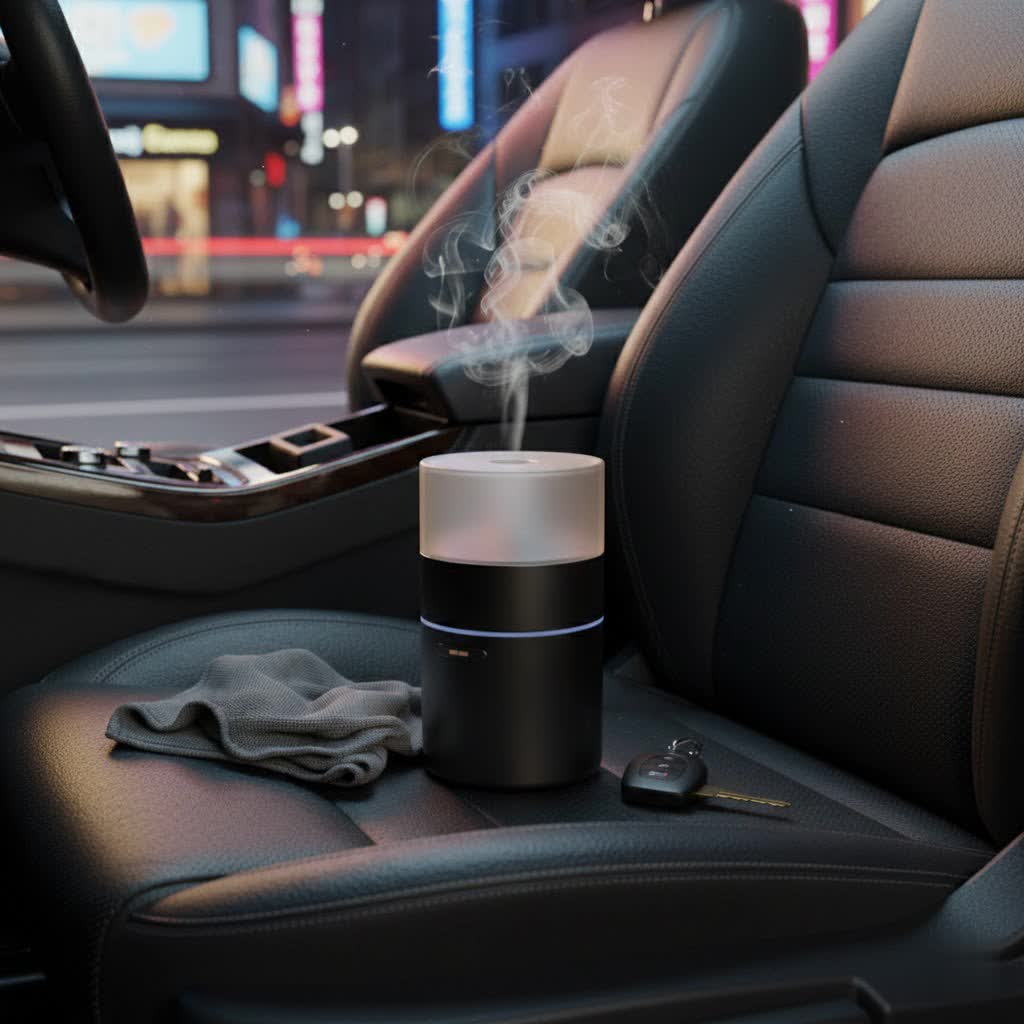
An oil diffuser is a device that disperses essential oils into the air, allowing you to enjoy their aromatic and therapeutic properties. These devices act as natural air purifiers and mood enhancers, creating a unique atmosphere tailored to your preferences. The concept of using natural scents for well-being dates back centuries, but modern oil diffusers have revolutionized this ancient practice, making it accessible and efficient for contemporary living.
Historically, people used heat to release aromas from plants and resins, often through burning incense or placing oils in warm water. Today’s diffusers leverage advanced technology to achieve diffusion, ranging from simple evaporation to high-frequency vibrations, ensuring the integrity and potency of essential oils are preserved for maximum benefit.
The market offers several popular types of oil diffusers, each employing a distinct method to disperse essential oils. Understanding these variations is key to selecting the ideal device for your space and desired outcome.
Benefits of Using an Oil Diffuser
Beyond simply making your home smell pleasant, using an oil diffuser offers a wide array of physical and emotional advantages. Incorporating these devices into your daily routine can significantly contribute to overall well-being.
- Improved Air Quality: Oil diffusers release cleansing molecules that break down free radicals and airborne pathogens, purifying the indoor air. Certain essential oils, like eucalyptus and lemon, are known to eliminate airborne bacteria, allergens, and odors, making the air cleaner and fresher.
- Stress Reduction and Anxiety Relief: Aromatherapy is a powerful tool for relaxation. Diffusing essential oils such as lavender, bergamot, and ylang-ylang can significantly reduce stress, calm the nervous system, and alleviate feelings of anxiety, promoting a sense of peace after a long day.
- Enhanced Sleep Quality: Many essential oils possess sedative properties that can aid in better sleep. Diffusing oils like lavender, chamomile, and sandalwood before bedtime can help you fall asleep faster and enjoy a deeper, more restful night’s sleep.
- Mood Elevation: Essential oils can directly impact your limbic system, the brain’s emotional center. Citrus oils like lemon, orange, and grapefruit, along with peppermint, are known for their mood-enhancing and stimulating effects, helping to uplift spirits and boost energy levels.
- Immune System Support: Oils such as tea tree, eucalyptus, and oregano have antimicrobial and antiviral properties. Diffusing them regularly can help strengthen your immune system and keep seasonal illnesses at bay by purifying the air and offering protective health benefits.
- Respiratory Support: For those experiencing congestion or seasonal discomfort, diffusing essential oils like peppermint and eucalyptus can help clear airways, making breathing easier and providing relief from cold and flu symptoms.
- Natural Insect Repellent: Certain essential oils, like citronella and lemongrass, can deter insects, offering a natural and chemical-free alternative to traditional repellents, especially beneficial during warmer months.
Popular Types of Oil Diffusers
The world of oil diffusers is diverse, with each type offering unique advantages and suitable for different preferences. Here are the most common kinds you’ll encounter:
Ultrasonic Diffuser
Ultrasonic diffusers are the most popular type and are often recognized by the cool mist they produce. They use high-frequency ultrasonic vibrations from a small disk beneath the water surface to break down a mixture of water and essential oils into tiny micro-particles. This creates a fine, cool mist that disperses into the air, carrying the aromatic compounds.
- Pros: Preserves the therapeutic properties of oils (no heat), acts as a humidifier, operates quietly, affordable, comes in many designs.
- Cons: Requires water refills, aroma can be less potent due to dilution, needs regular cleaning to prevent mold/mildew buildup, mist depends on air current for dispersion.
- How to Use: Fill the reservoir with water up to the fill line, add 5-10 drops of essential oil, replace the cover, and turn it on.
|
Our Picks for the Best Oil Diffuser in 2026
As an Amazon Associate I earn from qualifying purchases.
|
||
| Num | Product | Action |
|---|---|---|
| 1 | Lumixx Diffuser with Aroma Oil, Plug-in Waterless Essential Oil Diffuser, Smart Bluetooth App Control, Covers Up to 800 sq ft, 100ml Capacity, Cold Air Scent Technology, White |

|
| 2 | ASAKUKI 300ML Essential Oil Diffuser, Quiet 5-in-1 Premium Humidifier, Home Fragrance Aroma Diffuser with 7 LED Color Changing Light and Auto-Off Switch -Light Brown - Aroma Diffuser, 5-in-1, Quiet, 7 LED Color Changing Light, Auto-Off Switch, Light Brown |
|
| 3 | 300ML Essential Oil Diffuser with 7-Color LED Lights and Remote Control, Modern Minimalist Design, High-Efficiency Ultrasonic Mist Aromatherapy Diffuser for Home - 300ML, Modern Minimalist Design, High-Efficiency, Ultrasonic Mist, for Home |
|
| 4 | Waterless Diffuser for Essential Oil: Mini Battery Scent Diffuser for Room&Home&Car with 9 Colors LED Light - Aroma Cool Mist Machine Dark Black |
|
| 5 | SALKING Essential Oil Diffuser, 100ml Small Aromatherapy Diffuser with Auto Shut-Off Function, Ultrasonic Diffusers for Essential Oils, Cool Mist Humidifier with Warm White Lights, for Office Home - 100ml, Small, Aromatherapy Diffuser, Ultrasonic Diffusers, Essential Oils, Cool Mist Humidifier, Warm White Lights, Office Home |
|
| 6 | SALKING Essential Oil Diffuser (Set of 2), 100ml Small Aromatherapy Diffuser with Auto Shut-Off, Ultrasonic Diffusers for Essential Oils, Cool Mist Humidifier with Warm White Lights, for Office Home - Set of 2, 100ml, Small, Aromatherapy Diffuser, Essential Oils, Cool Mist Humidifier, Warm White Lights, for Office Home |
|
| 7 | ASAKUKI Essential Oil Diffuser 500ml, Ultrasonic Aromatherapy Humidifier with Remote Control, 7 LED Colors, Timer & Auto-Off, Large Room Diffuser |
|
| 8 | ASAKUKI 500ml Premium Essential Oil Diffuser with Remote Control, 5 in 1 Ultrasonic Aromatherapy Fragrant Oil Humidifier Vaporizer, Timer and Auto-Off Switch (White) |
|
| 9 | URPOWER Essential Oil Diffusers for Home with 7 LED Color Changing Lights, Timer & Auto-Off Ultrasonic Aromatherapy Diffuser Cool Mist Humidifer Scent Diffuser for Bedroom, Office, Yoga |
|
| 10 | 3-in-1 Galaxy Projector Humidifier & Essential Oil Diffuser, 7-Color Rotating Star Night Light with Healing Water Wave Lighting, Aromatherapy for Relaxation & Sleep, for Bedroom Home Decor |
|
Nebulizing Diffuser
Nebulizing diffusers are often considered the most powerful for aromatherapy because they use pure essential oil without water or heat. They utilize pressurized air to atomize essential oils into a fine, concentrated mist that is released directly into the air.
- Pros: Delivers a very potent and pure aroma, preserves oil integrity completely, no water needed, ideal for targeted therapeutic use.
- Cons: Consumes essential oils more quickly (more expensive over time), can be noisier than ultrasonic models, generally higher upfront cost, requires specific cleaning for glass components.
- How to Use: Attach the essential oil bottle directly to the device or pour pure essential oil into the glass reservoir. Turn on, and the device will create a powerful, undiluted mist.
Evaporative Diffuser
Evaporative diffusers are simple and often portable. They work by blowing air through a fan over a pad or filter soaked with essential oils, causing the oils to evaporate and disperse into the air.
- Pros: Simple to use, often portable and battery-operated, provides a quick burst of aroma, typically budget-friendly.
- Cons: Aroma potency diminishes as lighter oil components evaporate first, may not preserve the full therapeutic profile, fan can be noisy.
- How to Use: Add a few drops of essential oil to an absorbent pad or filter within the diffuser, then turn on the fan.
Heat Diffuser
Heat diffusers use a gentle heat source to warm essential oils, causing them to evaporate and release their aroma into the air. Some models use a small plate for pure oil, while others may warm oil mixed with water.
- Pros: Economical, typically silent, can diffuse aroma for a long period, low oil consumption (with low heat).
- Cons: High heat can alter the chemical composition and reduce the therapeutic benefits of essential oils, can pose a fire risk if using candles or high heat.
- How to Use: Place essential oil (sometimes with water) into a dish or onto a heating element. The heat will cause the oil to evaporate and release its scent. Opt for models that use very low heat.
Comparison of Oil Diffuser Types
To help you make an informed decision, here’s a comparative look at the main types of oil diffusers:
| Feature | Ultrasonic Diffuser | Nebulizing Diffuser | Evaporative Diffuser | Heat Diffuser |
|---|---|---|---|---|
| Diffusion Method | Ultrasonic vibrations + water | Pressurized air (no water/heat) | Fan + essential oil pad | Gentle heat |
| Aroma Potency | Medium (diluted with water) | High (pure, undiluted oil) | Varies (lighter notes first) | Medium to High (can be altered by heat) |
| Oil Consumption | Low | High | Medium to High | Low (with gentle heat) |
| Noise Level | Very Quiet | Can be Noisy | Low (fan noise) | Silent |
| Maintenance | Regular cleaning (water/oil residue) | Regular cleaning (oil residue, glass) | Pad replacement, occasional wiping | Wiping dish, checking heat source |
| Humidification | Yes | No | No | No |
| Portability | Medium (needs water/power) | Low (often glass, needs power) | High (many battery-operated) | Low (often fixed, needs power/candle) |
| Cost (Initial) | Low to Medium | Medium to High | Low | Low |
| Therapeutic Value | High (cool mist preserves oils) | Very High (pure oil, no heat) | Medium (can degrade oils) | Medium to Low (high heat can degrade oils) |
| Best For | General use, bedrooms, humidifying, quiet use | Intense aromatherapy, large spaces, pure scent | Small spaces, travel, quick bursts of scent | Ambient scent, quiet operation (low heat) |
How to Choose the Right Oil Diffuser (Buying Guide)
Selecting the best oil diffuser involves considering your personal needs, the space you intend to use it in, and the features that matter most to you.
Determine Your Usage Needs
- Room Size: For small spaces like offices or bathrooms, a compact ultrasonic or evaporative diffuser might suffice. For medium to large rooms (living rooms, open-plan areas), look for diffusers with larger tank capacities (300-500ml or more) or a powerful nebulizing diffuser designed for extensive coverage. Some users might benefit from multiple diffusers for different zones.
- Purpose: Are you seeking relaxation, mood enhancement, respiratory support, or just a pleasant scent? Nebulizing diffusers are excellent for intense therapeutic benefits, while ultrasonic diffusers are versatile for general ambiance and humidification.
- Frequency of Use: If you plan to diffuse continuously for long periods, look for models with larger water tanks and extended run times (e.g., 8-12 hours intermittent).
Choose the Right Diffuser Type
Refer to the comparison table above. Consider the pros and cons of ultrasonic, nebulizing, evaporative, and heat diffusers in relation to your priorities.
- If pure, potent aroma is your goal, a nebulizing diffuser is ideal.
- If you value quiet operation, humidification, and versatility, an ultrasonic diffuser is likely your best bet.
- For portability and simplicity, evaporative diffusers are a good choice.
Consider Additional Features
Modern oil diffusers often come with extra functionalities that enhance the user experience:
- Timer Settings: Allows you to set the diffuser to run for specific durations (e.g., 1, 3, 6 hours) or use intermittent misting cycles, conserving oil and energy.
- LED Lights: Many diffusers include color-changing LED lights, offering ambient lighting that can be set to a specific color or cycle through a spectrum. This can double as a night light or mood enhancer.
- Auto-Shutoff: A crucial safety feature that automatically turns off the diffuser when the water level is low or the timer runs out, preventing damage to the unit.
- Mist Output Control: Adjustable mist settings (low, medium, high) allow you to control the intensity of the aroma.
- Smart Features: Some advanced diffusers offer app control, scheduling, and integration with smart home systems, providing ultimate convenience.
Select a Reputable Brand and Quality Materials
Invest in diffusers from trusted brands known for quality and safety. Look for devices made from BPA-free plastics, ceramic, or glass. Higher quality materials often ensure durability and prevent potential chemical leaching.
Read User Reviews
Before making a purchase, always check reviews from other users. These can provide valuable insights into a product’s real-world performance, reliability, ease of cleaning, and overall satisfaction. Pay attention to comments regarding noise levels, scent throw, and any recurring issues.
Top Oil Diffusers for 2026 (Detailed Reviews)
Based on comprehensive testing and user feedback, here are some of the top essential oil diffusers currently on the market, catering to various needs and budgets.
1. InnoGear Upgraded 150ml Diffuser (Best Overall Value)
This compact and user-friendly ultrasonic diffuser is consistently praised for its impressive scent throw despite its small size. It features seven multicolored LED light settings and multiple mist modes (continuous/intermittent). It’s an excellent all-rounder for small to medium rooms. Users love its ease of use and reliable performance.
- Pros: Affordable, quiet, good mist output for its size, versatile light options, auto-shutoff.
- Cons: Smaller water tank means more frequent refills for continuous use.
- Price: Budget-friendly.
- Where to Buy: Amazon, InnoGear’s official website.
2. Vitruvi Stone Diffuser (Best for Aesthetic Design)
The Vitruvi Stone Diffuser is a blend of minimalist design and effective aromatherapy. Crafted from high-quality ceramic, it serves as an elegant decor piece while quietly diffusing essential oils. It’s an ultrasonic diffuser with a modest water capacity, perfect for bedrooms, offices, or living areas where style is a priority.
- Pros: Premium design, quiet operation, made from high-quality materials, consistent diffusion.
- Cons: Higher price point, smaller coverage area compared to larger diffusers.
- Price: Premium.
- Where to Buy: Vitruvi’s website, major home goods retailers.
3. Saje Aroma Om Diffuser (Best for Performance & Ease of Use)
The Saje Aroma Om is a top performer known for its simple operation and effective, even diffusion. This ultrasonic diffuser is celebrated for not overwhelming a room with fragrance while consistently creating a pleasant atmosphere. It’s a reliable choice that excels in basic functionality and consistent output.
- Pros: Excellent performance, simple and intuitive to use, quiet, good mist distribution.
- Cons: Can be pricier than some basic ultrasonic models.
- Price: Mid to Premium range.
- Where to Buy: Saje Natural Wellness stores and online.
4. Aera Smart Diffuser (Best Smart Home Integration & Large Coverage)
For those seeking a high-tech solution, the Aera Smart Diffuser utilizes Microdroplet Technology to convert fragrance capsules into ultra-fine droplets, filling large rooms with hypoallergenic scents. It’s controlled via an app, offering scheduling and intensity adjustments. It’s praised for its unique fragrance library and ease of maintenance (no water, no cleaning).
- Pros: Covers large areas, smart app control, hypoallergenic fragrances, no water or cleaning required, long-lasting scent capsules.
- Cons: Uses proprietary scent capsules (can be expensive), high initial cost.
- Price: High-end.
- Where to Buy: Aera’s official website.
5. ECO. Nebulizing Diffuser (Best for Pure Aromatherapy)
Crafted for purists, the ECO. Nebulizing Diffuser disperses essential oils directly into the air without heat or water, ensuring the highest therapeutic benefits. Made from sustainable materials, this diffuser is for those who prioritize the unadulterated essence of essential oils and desire a strong, concentrated aroma.
- Pros: 100% pure essential oil diffusion, no water or heat, energy-efficient, strong aroma, sustainable design.
- Cons: Higher oil consumption, can be louder than ultrasonic diffusers, premium price.
- Price: Premium.
- Where to Buy: ECO. Modern Essentials website.
Guide to Using and Maintaining Your Oil Diffuser
Proper use and regular maintenance are crucial for maximizing the lifespan and effectiveness of your oil diffuser.
Safe and Effective Usage
- Read the Manual: Always consult your diffuser’s specific instruction manual for detailed guidelines on water capacity, oil drops, and unique features.
- Use Pure Essential Oils: Only use 100% pure essential oils. Avoid fragrance oils, synthetic oils, or carrier oils like vegetable oil, as these can clog or damage your diffuser.
- Correct Water Level: For ultrasonic diffusers, fill the water reservoir only up to the marked maximum fill line. Overfilling can cause the diffuser to malfunction or produce less mist.
- Optimal Placement: Place your diffuser on a flat, stable surface away from direct sunlight, drafts, or electronics. A central location in the room generally ensures better scent distribution.
- Start with Fewer Drops: Begin with 3-5 drops of essential oil for ultrasonic diffusers, adjusting up or down based on your preference and room size. Nebulizing diffusers typically require 10-20 drops of pure oil.
- Don’t Leave Stagnant Water: For ultrasonic diffusers, empty any remaining water from the reservoir after each use. Stagnant water can lead to mineral buildup and mold growth.
- Consider Run Time: Use timer settings to diffuse intermittently, especially for potent oils, to avoid overwhelming your senses and conserve oil.
Cleaning and Maintenance
Regular cleaning prevents residue buildup, maintains efficiency, and ensures pure scent diffusion.
Routine Cleaning (After Every Use for Ultrasonic, Weekly for Nebulizing/Heat):
- Unplug: Always unplug the diffuser from the power source before cleaning.
- Empty Reservoir: For ultrasonic diffusers, pour out any remaining water and essential oil from the reservoir, avoiding the air outlet. For nebulizing diffusers, empty any remaining pure oil.
- Wipe Down: Use a soft, damp cloth (preferably with a 1:1 water and white vinegar solution) to wipe the inside of the reservoir and the cover. Vinegar helps cut through oil residue and mineral deposits.
- Clean Ultrasonic Plate/Atomizer: For ultrasonic diffusers, dip a cotton swab in rubbing alcohol or white vinegar and gently wipe the ultrasonic plate (the small ceramic disc at the bottom of the tank) to remove any buildup. For nebulizing diffusers, clean the glass nebulizer attachment with alcohol.
- Dry Completely: Allow all components to air dry thoroughly before reassembling or storing.
Deep Cleaning (Monthly or When Performance Decreases):
- Unplug and Empty: Follow the initial steps for routine cleaning.
- Vinegar Soak (Ultrasonic): Fill the reservoir halfway with plain water and add one teaspoon of white vinegar. Run the diffuser for 5-10 minutes to allow the vinegar solution to circulate and break down stubborn residue.
- Rinse and Wipe: Unplug, empty the vinegar solution, and rinse the tank thoroughly with clean water. Wipe down all surfaces with a soft cloth.
- Rubbing Alcohol (Nebulizing/Stubborn Residue): For nebulizing diffusers, pour about 2 ml of 70% or 90% rubbing alcohol into the glass nebulizer and run it for a few minutes. For stubborn residue in any diffuser type, apply a small amount of rubbing alcohol to a cotton swab and gently scrub affected areas. Rinse well afterward.
- Air Dry: Ensure all parts are completely dry before reassembly.
Important Considerations
- Distilled Water: Using distilled or purified water can prevent mineral buildup, especially in ultrasonic diffusers, extending the device’s lifespan.
- Avoid Abrasives: Do not use harsh chemical cleaners, abrasive scrubbers, or metal tools, as these can damage the diffuser’s components.
- Protect Electronics: When cleaning, be careful not to get water into the electrical components, buttons, or air vents.
“A well-maintained oil diffuser is not just a device; it’s a gateway to consistent, pure aromatic experiences that elevate your daily life.” – Admin, reviewvevor.com
Conclusion
Choosing the best oil diffuser is a personal journey that culminates in a more fragrant, peaceful, and healthier living environment. By understanding the different types, their unique benefits, and how to properly care for your device, you can select a product that perfectly aligns with your lifestyle and wellness goals. Whether you prioritize pure therapeutic intensity, quiet humidification, or elegant design, there’s an ideal oil diffuser waiting to transform your space. Embrace the power of natural aromas and elevate your everyday well-being.
What kind of aromatic sanctuary will you create with your perfect oil diffuser?
Frequently Asked Questions
How many drops of essential oil should I use in my diffuser?
For most ultrasonic diffusers, 3-5 drops of essential oil per 100ml of water is a good starting point. Adjust based on your room size, the potency of the oil, and your personal scent preference. Nebulizing diffusers typically require 10-20 drops of pure essential oil.
Can I use tap water in my essential oil diffuser?
While most ultrasonic diffusers can use tap water, it’s generally recommended to use distilled or purified water. Tap water contains minerals that can lead to mineral buildup (scaling) on the ultrasonic plate and within the reservoir, which can reduce the diffuser’s efficiency and lifespan over time.
How often should I clean my oil diffuser?
For ultrasonic diffusers, it’s best to perform a routine clean after every use, especially if you’re changing essential oils or leaving water in the tank. A deep clean should be done at least once a month to remove any stubborn oil residue or mineral buildup. Nebulizing diffusers should be cleaned weekly or more frequently if using citrus oils.
Are oil diffusers safe for pets and children?
When used responsibly, many oil diffusers (particularly ultrasonic ones) can be safe. However, certain essential oils can be toxic to pets (especially cats and dogs) and young children. Always research the specific essential oils you plan to use and consult with a veterinarian or pediatrician regarding their safety around your household members. Ensure diffusers are placed out of reach.
What’s the difference between an oil diffuser and a humidifier?
An oil diffuser is primarily designed to disperse essential oils into the air for aromatherapy benefits, although ultrasonic diffusers also add a small amount of humidity. A humidifier, on the other hand, is specifically designed to increase the moisture content in the air and typically does not diffuse essential oils.
