Imagine stepping into a room filled with a warm, inviting aroma, a subtle fragrance that transforms your living space into a sanctuary of peace. For centuries, people have sought ways to infuse their homes with delightful scents, and the evolution of oil diffusers offers a myriad of choices. Among these, the Candle Oil Diffuser, often revered for its traditional appeal and simple elegance, continues to captivate those who appreciate a classic approach to aromatherapy. This guide will delve into what candle oil diffusers are, explore their unique benefits, compare them to other popular diffusion methods, and provide essential tips for safe and effective use.
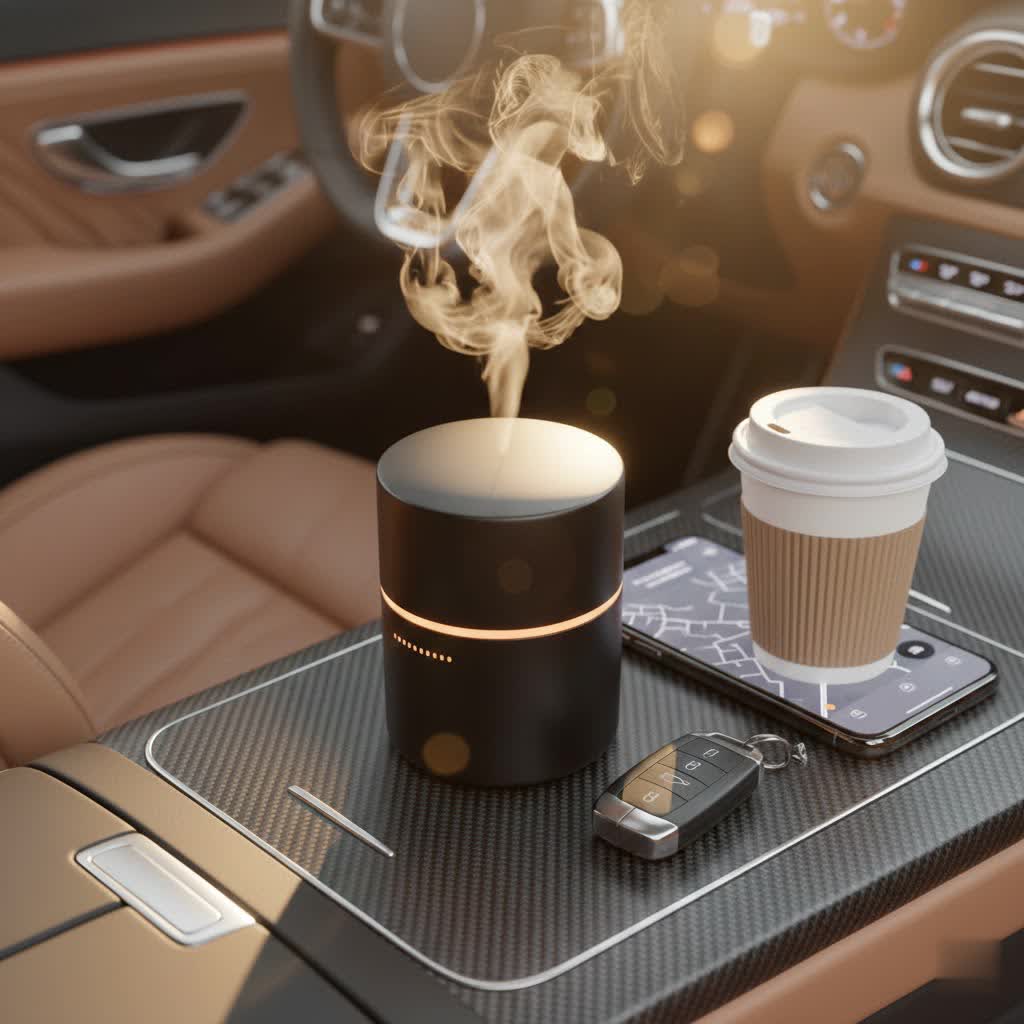
What is a Candle Oil Diffuser?
A candle oil diffuser, commonly known as an oil burner or aroma lamp, is a traditional device designed to release the fragrance of essential oils into the air using heat from a small candle. Typically, it consists of a dish or bowl positioned above a recess where a tea light candle is placed. You add water to the dish, followed by a few drops of your chosen essential oil. As the candle flame heats the water and oil mixture, the essential oils gently evaporate, dispersing their aromatic molecules throughout the room.
This method offers a distinct sensory experience, combining the soft glow of a flickering candle with the subtle diffusion of fragrance. It stands apart from conventional scented candles, which release aroma directly from burning wax, and electric diffusers that use ultrasonic vibrations, nebulizing technology, or fans. While the primary “candle oil diffuser” refers to this heat-based method, some modern interpretations include flameless “pillar candle diffusers” that mimic the candle aesthetic but use internal mechanisms and oil cartridges to diffuse scent without an open flame.
The Alluring Benefits of Using Candle Oil Diffusers
There’s an undeniable allure to the simplicity and traditional charm of a candle oil diffuser. Beyond merely scenting a room, these devices offer several unique advantages that contribute to a serene home environment.
Firstly, they excel at creating a cozy and warm ambiance. The soft, flickering light of a tea light candle, combined with the gentle release of aroma, fosters an atmosphere of relaxation and intimacy. This makes them perfect for unwinding after a long day or setting a tranquil mood for an evening gathering.
Secondly, candle oil diffusers are remarkably simple and affordable. They typically require no electricity or complex settings, making them an accessible option for anyone looking to explore aromatherapy. The initial investment is usually minimal, and replacement tea lights are inexpensive.
The visual appeal of a flickering flame is another significant draw. Unlike electric diffusers, the living flame adds a dynamic, almost meditative element to your space, enhancing the overall sensory experience. This visual warmth can be particularly comforting during colder months.
Finally, they offer a direct and immediate scent release. Once the water and oil warm up, the fragrance begins to diffuse quickly, allowing you to enjoy your chosen aroma without much delay. This can be beneficial when you want to quickly refresh a room or introduce a specific therapeutic scent.
Understanding the Types of Oil Diffusers
The world of essential oil diffusion is diverse, with various technologies designed to deliver aromatic benefits. Understanding the different types helps in appreciating the unique place of candle oil diffusers.
Heat Diffusers (Candle Oil Diffusers)
As discussed, these utilize the gentle heat from a candle to evaporate essential oils mixed with water. They are known for their traditional aesthetic and quiet operation.
- Advantages: Creates a cozy ambiance with a visible flame, affordable, no electricity needed, simple to use.
- Disadvantages: Open flame risk, heat can alter or degrade the therapeutic properties of some essential oils, requires constant monitoring, scent intensity can be less consistent.
|
Our Picks for the Best Oil Diffuser in 2026
As an Amazon Associate I earn from qualifying purchases.
|
||
| Num | Product | Action |
|---|---|---|
| 1 | Lumixx Diffuser with Aroma Oil, Plug-in Waterless Essential Oil Diffuser, Smart Bluetooth App Control, Covers Up to 800 sq ft, 100ml Capacity, Cold Air Scent Technology, White |

|
| 2 | 300ML Essential Oil Diffuser with 7-Color LED Lights and Remote Control, Modern Minimalist Design, High-Efficiency Ultrasonic Mist Aromatherapy Diffuser for Home - 300ML, Modern Minimalist Design, High-Efficiency, Ultrasonic Mist, for Home |
|
| 3 | Waterless Diffuser for Essential Oil: Mini Battery Scent Diffuser for Room&Home&Car with 9 Colors LED Light - Aroma Cool Mist Machine Dark Black |
|
| 4 | SALKING Essential Oil Diffuser, 100ml Small Aromatherapy Diffuser with Auto Shut-Off Function, Ultrasonic Diffusers for Essential Oils, Cool Mist Humidifier with Warm White Lights, for Office Home - 100ml, Small, Aromatherapy Diffuser, Ultrasonic Diffusers, Essential Oils, Cool Mist Humidifier, Warm White Lights, Office Home |
|
| 5 | ASAKUKI Essential Oil Diffuser 500ml, Ultrasonic Aromatherapy Humidifier with Remote Control, 7 LED Colors, Timer & Auto-Off, Large Room Diffuser |
|
| 6 | SALKING Essential Oil Diffuser (Set of 2), 100ml Small Aromatherapy Diffuser with Auto Shut-Off, Ultrasonic Diffusers for Essential Oils, Cool Mist Humidifier with Warm White Lights, for Office Home - Set of 2, 100ml, Small, Aromatherapy Diffuser, Essential Oils, Cool Mist Humidifier, Warm White Lights, for Office Home |
|
| 7 | ASAKUKI 500ml Premium Essential Oil Diffuser with Remote Control, 5 in 1 Ultrasonic Aromatherapy Fragrant Oil Humidifier Vaporizer, Timer and Auto-Off Switch (White) |
|
| 8 | 3-in-1 Galaxy Projector Humidifier & Essential Oil Diffuser, 7-Color Rotating Star Night Light with Healing Water Wave Lighting, Aromatherapy for Relaxation & Sleep, for Bedroom Home Decor |
|
| 9 | URPOWER Essential Oil Diffusers for Home with 7 LED Color Changing Lights, Timer & Auto-Off Ultrasonic Aromatherapy Diffuser Cool Mist Humidifer Scent Diffuser for Bedroom, Office, Yoga |
|
| 10 | ASAKUKI 300ML Essential Oil Diffuser, Quiet 5-in-1 Premium Humidifier, Home Fragrance Aroma Diffuser with 7 LED Color Changing Light and Auto-Off Switch -Light Brown - Aroma Diffuser, 5-in-1, Quiet, 7 LED Color Changing Light, Auto-Off Switch, Light Brown |
|
Ultrasonic Diffusers
These are the most common type of electric diffuser. They use high-frequency ultrasonic vibrations to break down a mixture of water and essential oils into a fine, cool mist, which is then dispersed into the air.
- Advantages: Preserves oil integrity (no heat), acts as a humidifier, often has auto-shutoff and timer functions, quiet operation, provides a visible mist.
- Disadvantages: Requires water, needs regular cleaning to prevent mold, can be noisy for some, electricity needed.
Nebulizing Diffusers
Nebulizers are waterless diffusers that use an air pump to atomize pure essential oil into a micro-fine mist. They deliver a very concentrated and potent aroma without dilution.
- Advantages: No water needed, purest and most potent aromatherapy, rapid scent dispersion, preserves oil integrity.
- Disadvantages: Can be noisy, uses more essential oil quickly, typically more expensive, requires frequent cleaning of the glass components.
Evaporative Diffusers
These diffusers use a fan to blow air across an essential oil-soaked pad or filter. The airflow causes the oil to evaporate and disperse into the room.
- Advantages: Quick scent dispersion, no water needed, portable, generally inexpensive.
- Disadvantages: Fan can be noisy, therapeutic benefits can be lost as lighter notes evaporate first, resulting in a less complete aroma.
Reed Diffusers
Reed diffusers are passive diffusers consisting of a bottle of essential oil blend (often mixed with a carrier oil) and several porous reed sticks. The reeds absorb the oil and wick it up, releasing the scent into the air through capillary action.
- Advantages: Flameless, electricity-free, continuous and subtle scent, low maintenance.
- Disadvantages: Scent intensity is generally lower, cannot be turned off instantly, takes time for the scent to fully diffuse initially, can be knocked over.
Candle Oil Diffusers vs. Other Diffusers: A Comparative Look
Choosing the ideal diffuser depends largely on your priorities, lifestyle, and the specific atmosphere you wish to create. Here’s a comparative overview to help clarify the differences between candle oil diffusers and other popular types:
| Feature | Candle Oil Diffuser (Heat) | Ultrasonic Diffuser | Nebulizing Diffuser | Evaporative Diffuser | Reed Diffuser |
|---|---|---|---|---|---|
| Diffusion Method | Heat from candle | Ultrasonic vibration | Air pump/atomization | Fan blowing air | Capillary action |
| Flame/Heat | Yes (open flame) | No (cool mist) | No | No | No |
| Water Use | Yes (with oil) | Yes (with oil) | No (pure oil) | No (on pad) | No (pure oil blend) |
| Scent Intensity | Medium to High | Medium | Very High | Low to Medium | Low to Medium |
| Oil Integrity | Can alter/degrade | Preserved | Preserved | Partially altered | Preserved |
| Safety | Fire risk, requires monitoring | Very Safe | Very Safe | Safe | Very Safe |
| Maintenance | Regular bowl cleaning, refilling water/oil | Regular cleaning, refilling water/oil | Frequent nozzle cleaning | Pad replacement | Occasional oil refill |
| Cost | Low | Medium | High | Low | Low to Medium |
Candle oil diffusers excel in creating a traditional, warm ambiance, perfect for those who enjoy the visual aspect of a flame. However, for preserving the full therapeutic benefits of essential oils, cool-mist options like ultrasonic and nebulizing diffusers are often preferred, as heat can sometimes alter delicate chemical compounds. Nebulizing diffusers offer the most potent scent experience without dilution, while reed diffusers provide a continuous, hassle-free background aroma. Evaporative diffusers are great for quick, localized scenting. Each type serves a distinct purpose, allowing you to tailor your aromatherapy experience to your exact preferences.
How to Choose the Right Oil Diffuser for Your Home
Selecting the perfect oil diffuser involves more than just picking a pleasant scent; it’s about matching the device to your lifestyle and specific needs.
Consider Your Space and Needs
Think about the size of the room you intend to scent. For small, intimate spaces like a bedroom or office, a candle oil diffuser or a reed diffuser might suffice. For larger areas, an ultrasonic or nebulizing diffuser often performs better, ensuring the scent reaches every corner. Also, consider your purpose: are you seeking relaxation, air purification, or simply a beautiful aroma?
Prioritize Safety
If you have children, pets, or a busy household, an open flame might be a concern. In such cases, flameless options like ultrasonic, nebulizing, evaporative, or reed diffusers offer greater peace of mind. If you do opt for a candle oil diffuser, ensure it’s placed on a stable surface, away from flammable materials, and never left unattended.
Evaluate Oil Preservation
The therapeutic properties of essential oils can be delicate. If maximizing these benefits is your goal, a cool-mist diffuser (ultrasonic or nebulizing) is ideal, as they disperse oils without heat, thus preserving their chemical integrity. Candle oil diffusers, by their nature, use heat, which can subtly alter the oil’s composition and aroma over time.
Factor in Maintenance
All diffusers require some level of care. Ultrasonic diffusers need regular cleaning to prevent mineral buildup and mold. Nebulizers require careful cleaning of their glass components. Candle oil diffusers need their dish wiped clean of oil residue. Consider how much time and effort you are willing to dedicate to upkeep.
Budget and Longevity
While candle oil diffusers are typically the most inexpensive upfront, consider the cost of tea lights and essential oils over time. Electric diffusers might have a higher initial cost but can be more cost-effective in the long run, especially if they use less oil or water per session.
Mastering the Use and Care of Your Candle Oil Diffuser
To get the most out of your candle oil diffuser while ensuring safety and longevity, proper usage and maintenance are key.
Safe Usage:
- Placement: Always place your diffuser on a stable, heat-resistant surface, away from curtains, papers, or any flammable materials.
- Ventilation: Ensure the room is well-ventilated, especially when using an open flame.
- Water Level: Maintain an adequate amount of water in the dish. Never let it run dry while the candle is lit, as this can burn the essential oil and potentially damage the dish.
- Never Leave Unattended: Due to the open flame, a candle oil diffuser should never be left burning unsupervised, particularly when sleeping or leaving the house.
- Essential Oil Dilution: Start with a few drops (3-5) of essential oil in the water. You can adjust the quantity based on the desired scent intensity, but avoid overloading, which can lead to a less pleasant aroma or faster evaporation.
Cleaning:
Regular cleaning is crucial to prevent residue buildup and ensure optimal performance and pure scent diffusion.
- After each use, or once the dish has cooled, carefully empty any remaining water and oil.
- Wipe the dish clean with a soft cloth. For stubborn oil residue, a cotton swab dipped in rubbing alcohol can be effective, followed by a rinse with warm, soapy water.
- Ensure the dish is completely dry before its next use.
Essential Oil Quality:
Always use high-quality, pure essential oils for the best experience. Synthetic fragrance oils may contain chemicals that are not ideal for diffusion, especially when heated.
Top Considerations for Safe Candle Oil Diffuser Use
While candle oil diffusers offer a charming way to enjoy aromatherapy, it’s vital to be aware of certain safety considerations to ensure a positive experience.
Fire Safety: The most significant concern is the presence of an open flame. This inherently carries a fire risk, necessitating constant vigilance. Never place the diffuser near anything flammable, always use it on a stable surface, and extinguish the candle before leaving the room or falling asleep.
Oil Degradation: Heat can significantly impact the chemical composition of essential oils. When heated, some delicate therapeutic compounds may alter or degrade, potentially diminishing the oil’s intended benefits. This is why many aromatherapists prefer cool-mist diffusers for therapeutic applications. Moreover, overheating certain oils can change their scent profile, making them less pleasant.
Air Quality: While essential oils themselves are natural, burning a candle can release particulate matter and soot into the air, especially if the wick is not trimmed correctly or if using a lower-quality candle. Prolonged use in poorly ventilated areas might impact indoor air quality. Additionally, if essential oils are burned rather than diffused, they might produce undesirable compounds. Proper ventilation is paramount.
Not Suitable for All Essential Oils: Certain essential oils are more volatile or flammable than others. It’s generally advisable to exercise caution and research specific oil properties before using them in a heat-based diffuser.
Conclusion
Candle oil diffusers offer a delightful blend of visual warmth and aromatic pleasure, providing a time-honored method to infuse your home with natural scents. Their simplicity, affordability, and the cozy ambiance created by a flickering flame make them a beloved choice for many. However, it’s essential to weigh these benefits against the safety considerations, particularly the open flame and the potential for heat to alter the therapeutic properties of essential oils.
By understanding the various types of diffusers available – from the traditional heat method to modern ultrasonic and nebulizing technologies – you can make an informed decision that aligns with your lifestyle, safety concerns, and aromatic aspirations. Whether you prioritize the gentle glow of a candle, the pure potency of a nebulizer, or the ease of an ultrasonic mist, the perfect diffuser awaits to transform your space.
Which method will you choose to infuse your home with delightful aromas and create your personal haven?
Frequently Asked Questions
Are candle oil diffusers safe?
Candle oil diffusers involve an open flame, which presents a fire risk if not used responsibly. They should always be placed on a stable, heat-resistant surface, kept away from flammable materials, and never left unattended. For households with children or pets, flameless diffuser options are generally safer.
Can I use any essential oil in a candle diffuser?
While most essential oils can be used, it’s important to note that the heat from the candle can alter the chemical composition and therapeutic properties of some delicate oils. Always use pure essential oils and research their individual properties. Avoid using highly flammable oils.
How often should I clean my candle oil diffuser?
It is recommended to clean your candle oil diffuser’s dish after each use, or at least regularly, to prevent the buildup of essential oil residue. This ensures that the scent diffused is pure and that the diffuser functions effectively without burning old oil remnants.
Do candle diffusers alter essential oil properties?
Yes, the heat generated by a candle oil diffuser can cause some essential oil components to evaporate faster or chemically change. This means that the full spectrum of therapeutic benefits and the complete aroma profile might not be experienced compared to cool-mist diffusers, which preserve the oils’ integrity.
