Do you often find yourself longing for clearer breathing, reduced stress, or a home that simply smells fresh and invigorating? Many people seek natural solutions to enhance their well-being and transform their living spaces. An Eucalyptus Oil Diffuser might be the answer you’re looking for, offering a powerful yet gentle way to harness the therapeutic benefits of eucalyptus essential oil. This guide will walk you through everything you need to know, from understanding what these devices are to choosing, using, and maintaining the perfect one for your needs.
What is an Oil Diffuser?
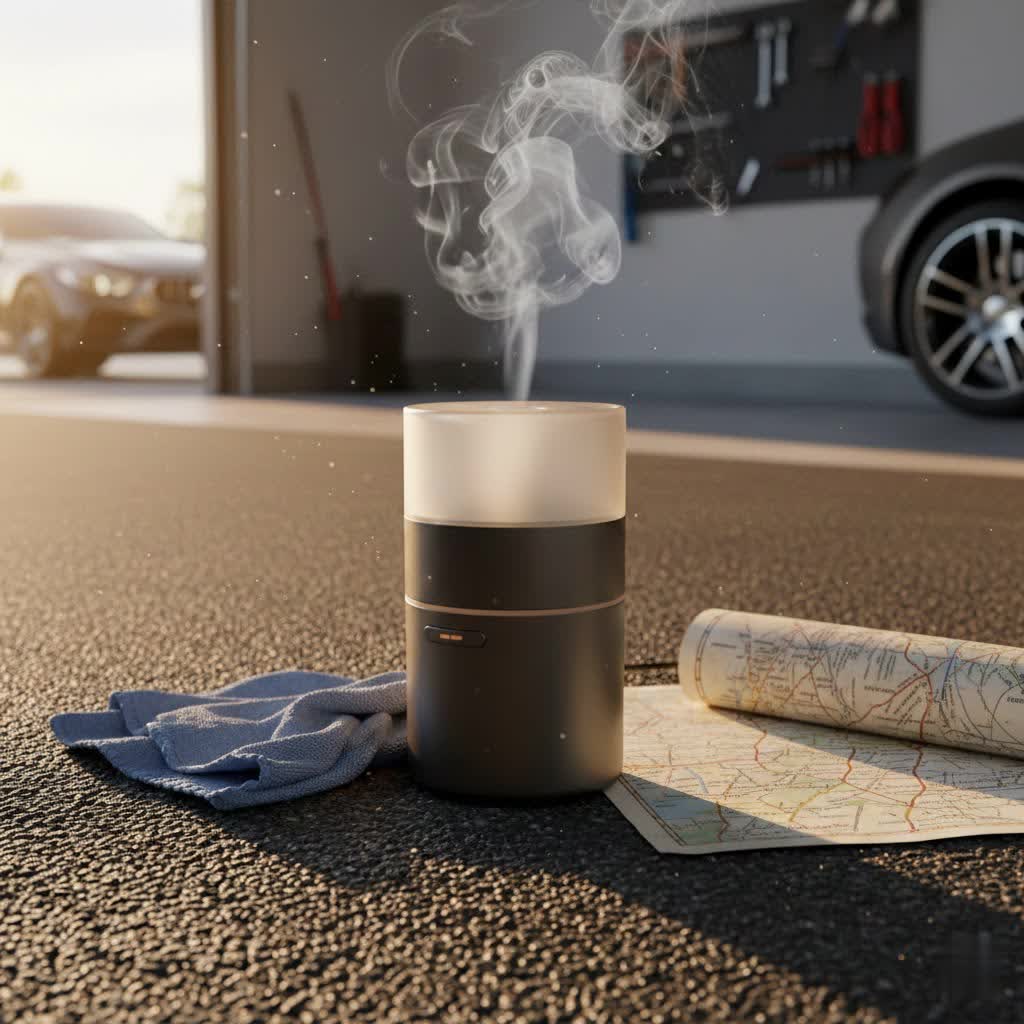
An oil diffuser is a device designed to disperse essential oils into the air, allowing you to inhale their aromatic and therapeutic properties. While the practice of using aromatic botanicals dates back centuries, modern oil diffusers have revolutionized how we experience aromatherapy in our homes. They convert concentrated essential oils into fine particles, creating an inviting atmosphere and delivering wellness benefits.
On the market today, you’ll primarily find a few popular types of essential oil diffusers:
- Ultrasonic Diffusers: These are among the most common, utilizing ultrasonic vibrations to break down a mixture of water and essential oil into a cool, fine mist. They also act as mini-humidifiers, adding a touch of moisture to the air.
- Nebulizing Diffusers: Considered by many aromatherapy enthusiasts as the purest method, nebulizers use pressurized air to atomize undiluted essential oils into microscopic particles. They don’t require water or heat, delivering a potent, unadulterated aroma.
- Evaporative Diffusers: These diffusers use a fan to blow air over a pad or filter soaked with essential oil, causing the oil to evaporate and disperse. While simple and quiet, the lighter components of the oil evaporate first, which can alter the oil’s therapeutic profile.
- Heat Diffusers: These devices use gentle heat to evaporate essential oils. While effective for scent, high heat can sometimes alter the chemical composition of pure essential oils, potentially reducing their therapeutic benefits.
The Power of Eucalyptus: Benefits of Diffusing Eucalyptus Oil
Eucalyptus essential oil, derived from the leaves of the eucalyptus tree, is renowned for its distinctive, camphoraceous aroma and wide array of health benefits. Diffusing this potent oil can significantly enhance your physical and mental well-being.
- Superior Respiratory Support: Perhaps the most celebrated benefit of diffusing eucalyptus oil is its profound impact on respiratory health. The oil contains eucalyptol, a compound known for its ability to clear airways and alleviate symptoms of various respiratory conditions. Inhaling the diffused oil helps to reduce congestion, soothe irritated airways, and improve overall breathing, making it an excellent natural remedy for colds, flu, allergies, asthma, bronchitis, and sinusitis.
- Boosts Mental Clarity and Focus: The invigorating scent of eucalyptus is a natural stimulant for the mind. It helps to combat mental fatigue, sharpen concentration, and increase alertness. Diffusing eucalyptus oil in your workspace or study area can create a refreshing atmosphere that promotes productivity and cognitive function.
- Reduces Stress and Elevates Mood: Beyond its stimulating properties, eucalyptus essential oil also possesses calming and soothing effects. It can help reduce feelings of stress and anxiety, fostering a tranquil environment that encourages relaxation and mental calmness. This makes it ideal for unwinding after a long day and achieving a peaceful state of mind.
- Natural Air Purification: Eucalyptus essential oil boasts strong antimicrobial, antibacterial, antiviral, and antifungal properties. When diffused, it can help purify the air in your home, reducing the presence of airborne pathogens and promoting a healthier indoor environment, especially beneficial during cold and flu seasons.
- Supports Immune System Function: By purifying the air and possessing antimicrobial qualities, eucalyptus oil indirectly supports your immune system. Some research even suggests it can directly boost immune response by increasing phagocytic activity, a cellular process that defends the body against bacteria.
- Alleviates Headaches and Muscle Tension: While not a direct treatment, the anti-inflammatory and pain-relieving properties of eucalyptus oil, when inhaled, can help soothe tension headaches and ease general muscle discomfort, complementing other relief strategies.
> “Eucalyptus essential oil, particularly when diffused, acts as a multi-faceted wellness tool, effectively supporting both our physical and mental health through its powerful aromatic compounds.” – Jennifer Lane, Certified Aromatherapist
Popular Types of Oil Diffusers for Eucalyptus
Choosing the right diffuser significantly impacts your eucalyptus aromatherapy experience. Each type offers distinct advantages and disadvantages.
Ultrasonic Diffuser
Ultrasonic diffusers are the most widely used type for essential oils. They operate by using high-frequency ultrasonic vibrations to create a fine, cool mist from water and essential oil.
- Advantages: They are generally quiet, add a touch of humidity to the air, and are often more affordable than nebulizers. Many come with aesthetic features like LED lights and auto-shutoff timers.
- Disadvantages: Because they use water, the essential oil is diluted, which can result in a less intense aroma compared to nebulizing diffusers. They require regular cleaning to prevent mineral and oil buildup. They also add humidity, which might not be desirable in already humid climates.
- How to Use with Eucalyptus: Fill the water reservoir to the indicated line, add 3-5 drops of pure eucalyptus essential oil (or a blend), and turn on. Refer to your diffuser’s instructions for specific water-to-oil ratios and operational settings.
|
Our Picks for the Best Oil Diffuser in 2026
As an Amazon Associate I earn from qualifying purchases.
|
||
| Num | Product | Action |
|---|---|---|
| 1 | SALKING Essential Oil Diffuser (Set of 2), 100ml Small Aromatherapy Diffuser with Auto Shut-Off, Ultrasonic Diffusers for Essential Oils, Cool Mist Humidifier with Warm White Lights, for Office Home - Set of 2, 100ml, Small, Aromatherapy Diffuser, Essential Oils, Cool Mist Humidifier, Warm White Lights, for Office Home |

|
| 2 | ASAKUKI Essential Oil Diffuser 500ml, Ultrasonic Aromatherapy Humidifier with Remote Control, 7 LED Colors, Timer & Auto-Off, Large Room Diffuser |
|
| 3 | Lumixx Diffuser with Aroma Oil, Plug-in Waterless Essential Oil Diffuser, Smart Bluetooth App Control, Covers Up to 800 sq ft, 100ml Capacity, Cold Air Scent Technology, White |
|
| 4 | Waterless Diffuser for Essential Oil: Mini Battery Scent Diffuser for Room&Home&Car with 9 Colors LED Light - Aroma Cool Mist Machine Dark Black |
|
| 5 | SALKING Essential Oil Diffuser, 100ml Small Aromatherapy Diffuser with Auto Shut-Off Function, Ultrasonic Diffusers for Essential Oils, Cool Mist Humidifier with Warm White Lights, for Office Home - 100ml, Small, Aromatherapy Diffuser, Ultrasonic Diffusers, Essential Oils, Cool Mist Humidifier, Warm White Lights, Office Home |
|
| 6 | 300ML Essential Oil Diffuser with 7-Color LED Lights and Remote Control, Modern Minimalist Design, High-Efficiency Ultrasonic Mist Aromatherapy Diffuser for Home - 300ML, Modern Minimalist Design, High-Efficiency, Ultrasonic Mist, for Home |
|
| 7 | URPOWER Essential Oil Diffusers for Home with 7 LED Color Changing Lights, Timer & Auto-Off Ultrasonic Aromatherapy Diffuser Cool Mist Humidifer Scent Diffuser for Bedroom, Office, Yoga |
|
| 8 | 3-in-1 Galaxy Projector Humidifier & Essential Oil Diffuser, 7-Color Rotating Star Night Light with Healing Water Wave Lighting, Aromatherapy for Relaxation & Sleep, for Bedroom Home Decor |
|
| 9 | ASAKUKI 300ML Essential Oil Diffuser, Quiet 5-in-1 Premium Humidifier, Home Fragrance Aroma Diffuser with 7 LED Color Changing Light and Auto-Off Switch -Light Brown - Aroma Diffuser, 5-in-1, Quiet, 7 LED Color Changing Light, Auto-Off Switch, Light Brown |
|
| 10 | ASAKUKI 500ml Premium Essential Oil Diffuser with Remote Control, 5 in 1 Ultrasonic Aromatherapy Fragrant Oil Humidifier Vaporizer, Timer and Auto-Off Switch (White) |
|
Nebulizing Diffuser
Nebulizing diffusers are designed to deliver the purest and most potent aromatherapy experience. They operate without water or heat, using an air pump to atomize pure essential oil directly into the air as a highly concentrated vapor.
- Advantages: They offer a much stronger and more immediate aromatic experience, cover larger areas effectively, and preserve the full therapeutic properties of the essential oil since there’s no dilution or heat.
- Disadvantages: Nebulizers tend to be noisier than ultrasonic diffusers due to the air pump. They consume essential oil more quickly and are typically more expensive upfront. They also require careful cleaning to prevent oil residue from clogging the delicate glass components.
- How to Use with Eucalyptus: Add approximately 15-20 drops of undiluted pure eucalyptus essential oil directly into the glass reservoir. Turn on the device, often with intensity and duration settings. Regular cleaning is crucial, especially for thick oils or after prolonged use.
Evaporative Diffuser
Evaporative diffusers use a fan to blow air across a filter or pad infused with essential oil.
- Advantages: They are often inexpensive, portable, and very quiet.
- Disadvantages: The fan causes the lighter, more volatile components of the essential oil to evaporate first, leaving heavier notes behind. This can alter the scent and the full therapeutic benefits. They are generally less effective for pure aromatherapy.
- How to Use with Eucalyptus: Apply a few drops of eucalyptus oil onto the absorbent pad, then turn on the fan. Replace the pad periodically.
Heat Diffuser
Heat diffusers use a heat source (like a candle or electric plate) to warm the essential oil, causing it to evaporate and release its aroma.
- Advantages: These are typically simple, quiet, and very affordable.
- Disadvantages: High heat can degrade the essential oil’s chemical structure, reducing or altering its therapeutic properties. They also don’t disperse the aroma as widely as other methods.
- How to Use with Eucalyptus: Place a few drops of eucalyptus oil in the dish. For candle-based diffusers, light a tea light underneath. For electric models, turn on the heating element. Always use on a low setting if possible to minimize oil degradation.
Comparing Oil Diffusers for Eucalyptus Essential Oil
Choosing the best diffuser for eucalyptus oil depends on what you prioritize. Here’s a comparison of the most common and effective types:
| Feature | Ultrasonic Diffuser | Nebulizing Diffuser |
|---|---|---|
| Diffusion Method | Water + ultrasonic vibrations | Pure oil + pressurized air |
| Water Use | Yes (essential for operation) | No |
| Heat Use | No (cool mist) | No |
| Aroma Intensity | Medium, subtle to noticeable | Strong, highly concentrated |
| Coverage Area | Small to medium rooms (up to 500 sq ft) | Medium to large rooms (up to 800+ sq ft) |
| Noise Level | Very quiet, often silent | Audible hum or purring sound |
| Cost | Generally affordable ($20-$80) | Higher initial cost ($50-$200+) |
| Maintenance | Regular water tank cleaning, descaling | Cleaning of glass reservoir to prevent clogs |
| Humidification | Yes, adds moisture to the air | No |
| Oil Consumption | Less per session (diluted) | More per session (undiluted) |
| Preservation of Oil Properties | Good, but dilution can impact impact strength | Excellent, preserves full therapeutic profile |
Choosing the Right Eucalyptus Oil Diffuser
Selecting the ideal eucalyptus oil diffuser involves considering your specific needs, the environment you wish to scent, and your budget.
Determine Your Usage Needs
- Room Size: For smaller rooms like a bedroom or office, an ultrasonic diffuser with a 100-300ml tank capacity is usually sufficient. For larger open-plan living areas or strong, rapid diffusion, a nebulizing diffuser is more effective, covering areas up to 800 square feet or more.
- Purpose:
- Respiratory relief during illness: A nebulizing diffuser provides a more concentrated vapor for maximum therapeutic benefit. Ultrasonic diffusers also work well, especially if added humidification is desired.
- Mental clarity/focus: Both types can be effective, but a nebulizer might be preferred for intense concentration sessions.
- Relaxation/Sleep: A quiet ultrasonic diffuser with soft LED lights can create a serene ambiance. Ensure the eucalyptus oil is balanced with calming oils for sleep if congestion isn’t the primary issue.
- General air freshening/purification: Both ultrasonic and nebulizing diffusers can effectively spread the clean scent of eucalyptus and purify the air.
- Budget: Ultrasonic diffusers are generally more budget-friendly and a great entry point into aromatherapy. Nebulizers represent a higher investment but offer superior performance for purists.
Choose the Right Diffuser Type
Based on your needs, decide between an ultrasonic (water-based, humidifying, quieter) or a nebulizing (waterless, pure oil, stronger aroma) diffuser. While evaporative and heat diffusers exist, they are less ideal for maximizing the therapeutic benefits of pure essential oils like eucalyptus.
Essential Oil Quality Matters
Always opt for 100% pure, therapeutic-grade eucalyptus essential oil. Avoid “fragrance oils,” “oil solutions,” or synthetic blends, as these often contain artificial chemicals that do not offer the same health benefits and can even be harmful when inhaled. High-quality oils ensure safety and efficacy.
Look for Key Features
- Timer and Auto Shut-off: Essential for safety and convenience, preventing the diffuser from running dry or continuously for too long.
- Capacity (for ultrasonic): A larger tank means longer run times between refills.
- Mist Output Settings: Adjustable mist levels allow you to control the intensity of the aroma.
- LED Lights: Optional, but can enhance ambiance, especially for relaxation or as a night light.
- Material: Most diffusers are plastic (look for BPA-free). Ceramic, glass, and wood designs offer more aesthetic appeal.
- Noise Level: Crucial for bedrooms or quiet workspaces. Ultrasonic diffusers are generally quieter.
Read Reviews and Check Brand Reputation
Look for reputable brands with positive user reviews, especially concerning durability and performance. Customer feedback can provide valuable insights into a diffuser’s real-world effectiveness and ease of use.
Top Eucalyptus Oil Diffusers for Optimal Wellness
While specific product models constantly evolve, understanding what makes a diffuser excellent for eucalyptus oil will guide your choice. Highly-rated diffusers often share common characteristics tailored for efficiency, user experience, and aesthetic appeal.
- For Wide Coverage and Pure Potency: Nebulizing diffusers are often lauded for their ability to saturate large spaces with the undiluted, crisp scent of eucalyptus. Models like the Organic Aromas Raindrop Nebulizing Diffuser are frequently recommended for their strong output, covering up to 860 square feet with a pure, unadulterated mist. They typically feature intuitive controls for intensity and duration, though they may have an audible “purring” sound.
- For Everyday Use and Humidifying Benefits: Ultrasonic diffusers combine aromatherapy with gentle humidification, making them a versatile choice. The Asakuki Rock Essential Oil Diffuser is a popular example, praised for its whisper-quiet operation, user-friendly controls, multiple mist modes, and ambient LED lighting, making it suitable for bedrooms and living rooms. Many ultrasonic models offer auto shut-off features and decent run times, like 9-14 hours on lower settings.
- For Compact and Budget-Friendly Options: Smaller ultrasonic diffusers are excellent for personal spaces like desks or nightstands. The InnoGear Essential Oil Diffuser is often cited as a budget-friendly option that doesn’t compromise on core features, providing quiet operation and ambient lighting in a compact design.
- For Smart Home Integration: Some modern diffusers offer smart features like app control, allowing you to schedule diffusion, adjust intensity, and change light settings remotely. Devices like the Pura 3 Smart Home Fragrance Device are examples of plug-in models that integrate with smart ecosystems, although they typically use proprietary fragrance capsules rather than pure essential oils. When seeking pure eucalyptus benefits, ensure smart diffusers allow the use of your own essential oils.
When selecting, prioritize diffusers that are easy to clean, have reliable timers, and are made from durable materials. Regardless of the brand, a good eucalyptus oil diffuser should enhance your air quality and well-being with its natural fragrance.
Using and Maintaining Your Eucalyptus Oil Diffuser
To maximize the benefits and extend the life of your eucalyptus oil diffuser, proper usage and consistent maintenance are key.
Safe & Effective Use
- Dilution is Key (for Ultrasonic): For ultrasonic diffusers, the general guideline is to add 3-5 drops of pure eucalyptus essential oil for every 100ml of water. Always refer to your diffuser’s manual, as recommendations can vary. Start with fewer drops and increase if desired.
- Placement: Position your diffuser on a flat, stable surface, away from direct sunlight, heat sources, and electronics. For ultrasonic diffusers, ensure nearby furniture is protected, as the mist can sometimes leave marks.
- Duration: Essential oils are potent. It’s recommended to diffuse for periods of 30-60 minutes at a time, then take a break. Prolonged, continuous exposure can sometimes overstimulate the nervous system.
- Use Pure Essential Oil: Always use 100% pure eucalyptus essential oil. Avoid synthetic fragrance oils or oil solutions, which can contain chemicals that are not beneficial and may damage your diffuser.
- Ventilation: Ensure the room is well-ventilated, especially when diffusing strong oils like eucalyptus. This helps prevent the buildup of oil particles and reduces the risk of irritation.
Cleaning & Care
Regular cleaning is vital to prevent oil residue and mineral buildup, which can clog your diffuser and reduce its effectiveness.
- Daily Quick Clean (for Ultrasonic):
- Turn off and unplug the diffuser.
- Empty any remaining water and oil from the reservoir, taking care not to pour water into the air outlet.
- Wipe the inside of the water chamber with a soft, clean cloth or paper towel to remove residue.
- Dry thoroughly before next use.
- Weekly Deep Clean (for Ultrasonic):
- After the daily clean, fill the reservoir halfway with clean water and add about two teaspoons of white vinegar.
- Run the diffuser for 3-5 minutes to allow the vinegar to break down any stubborn oil and mineral buildup.
- Unplug, empty the vinegar solution, and use a cotton swab dipped in white vinegar or rubbing alcohol to gently clean the ultrasonic plate (the small disc at the bottom) and any crevices. Do not scratch the plate.
- Rinse the tank thoroughly with clean water to remove all vinegar residue, then dry completely with a soft cloth.
- Nebulizing Diffuser Cleaning:
- Empty any remaining essential oil from the glass reservoir.
- Pour about 2ml of 70° or 90° alcohol into the glass and diffuse for 2-5 minutes. This helps dissolve oil residue.
- Empty the alcohol and allow to air dry. Do not insert any objects into the glass, as this can damage the central pipette.
- Clean nebulizers every 15 days, or weekly if using citrus oils, which can be more prone to residue.
Important Safety Notes
- Keep Out of Reach: Always keep essential oils and diffusers out of reach of children and pets. Eucalyptus oil, in particular, can be harmful to animals if inhaled or ingested. Consult a veterinarian or healthcare professional before using eucalyptus oil around them.
- No Ingestion or Undiluted Topical Use: Eucalyptus essential oil is for aromatic diffusion only. Do not ingest it. Avoid applying undiluted essential oil directly to the skin.
- Storage: Store pure essential oils in dark glass bottles in a cool, dark place away from heat and direct sunlight to maintain their potency.
Conclusion
An eucalyptus oil diffuser is far more than just a device to make your home smell pleasant; it’s a powerful tool for enhancing your respiratory health, boosting mental clarity, reducing stress, and purifying your living environment. By understanding the distinct benefits of eucalyptus, choosing the right diffuser type for your needs, and committing to proper usage and maintenance, you can unlock a world of natural wellness.
Embracing the invigorating power of eucalyptus through diffusion offers a simple yet profound way to nurture your well-being. Are you ready to transform your home into a sanctuary of fresh, clear air and renewed energy?
Frequently Asked Questions
What are the main benefits of diffusing eucalyptus oil?
Diffusing eucalyptus oil primarily supports respiratory health by clearing congestion and easing breathing, enhances mental clarity and focus, reduces stress, and purifies the air with its antimicrobial properties, making it excellent for overall wellness.
Is it safe to use eucalyptus oil in a diffuser around children or pets?
Eucalyptus oil, due to its potency, should be used with caution around children and pets. It’s often recommended to avoid diffusing eucalyptus oil around very young children and certain pets, or to consult a healthcare provider or veterinarian for guidance on safe usage.
How often should I clean my essential oil diffuser?
For ultrasonic diffusers, a quick wipe-down and water change are recommended after each use, especially if changing oils. A deeper clean with white vinegar or rubbing alcohol should be performed weekly or monthly to prevent buildup and maintain optimal function.
What’s the difference between an ultrasonic and a nebulizing diffuser for eucalyptus oil?
An ultrasonic diffuser uses water and vibrations to create a cool, diluted mist, offering humidification and a quieter operation. A nebulizing diffuser uses pure, undiluted essential oil and pressurized air, delivering a more potent aroma without water or heat, and is ideal for larger spaces.
Can I blend eucalyptus oil with other essential oils in my diffuser?
Yes, eucalyptus oil blends well with many other essential oils to create synergistic effects. Popular blending partners include peppermint for enhanced respiratory relief, lavender for relaxation, and lemon for added air purification and an uplifting scent.
