Have you ever yearned for a deeper, purer aromatherapy experience without the usual fuss? As an essential oil diffuser technician with over a decade of hands-on experience, I’ve seen countless innovations in the world of scent diffusion. Among them, the Waterless Oil Diffuser stands out as a true game-changer, offering a sophisticated and potent way to enjoy the profound benefits of essential oils. This guide will walk you through everything you need to know about these remarkable devices, helping you unlock a new level of wellness and sensory delight in your home or office.
What is a Waterless Oil Diffuser?
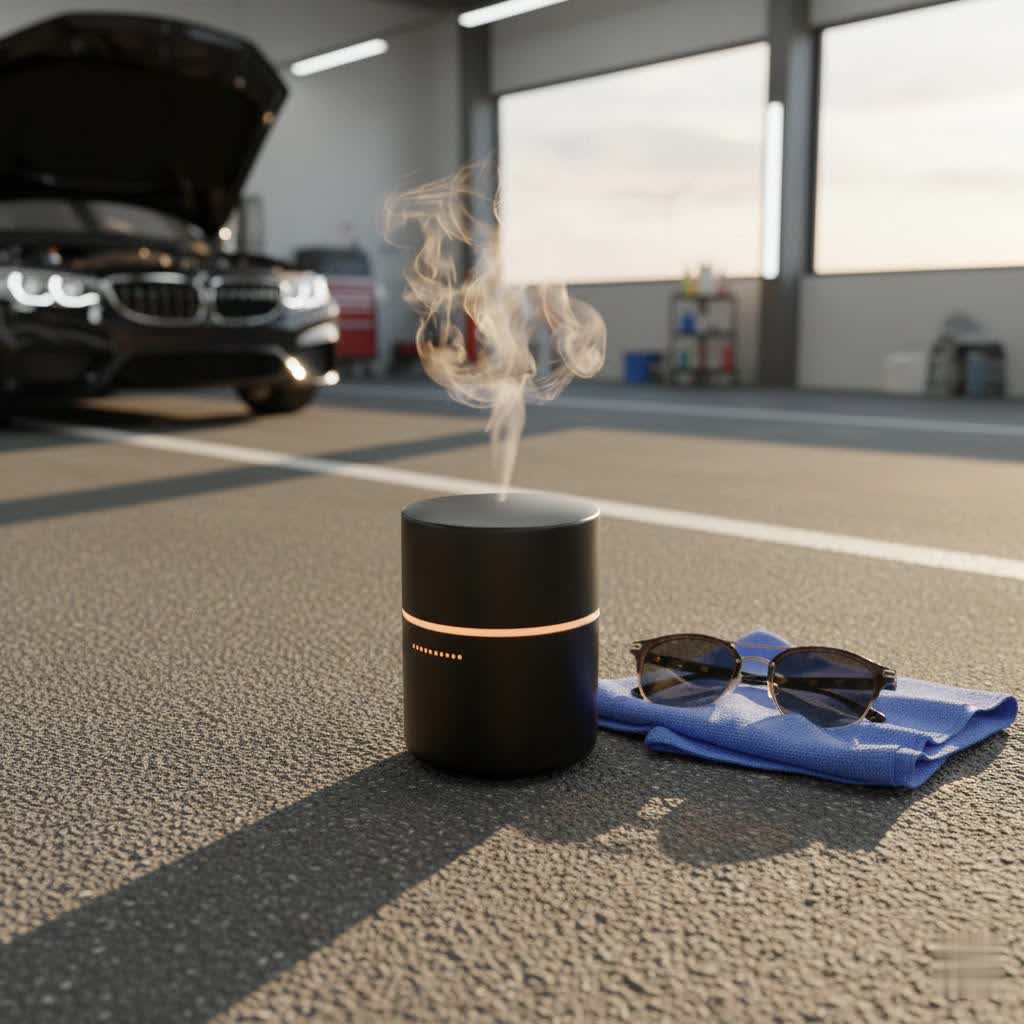
At its core, a waterless oil diffuser is an electronic device designed to disperse pure essential oils into the air without the need for water or heat. Unlike traditional ultrasonic diffusers that dilute oils with water, waterless models deliver a concentrated burst of aroma, preserving the integrity and potency of your precious essential oils.
The magic happens through a process called cold diffusion or nebulization. These diffusers typically use pressurized air or high-frequency vibrations to break down pure essential oils into incredibly fine, microscopic particles—often as small as 1 to 5 microns. These tiny airborne particles then disperse into your space as a dry, cool mist, ensuring you experience the full aromatic and therapeutic profile of the oil without any dilution or alteration caused by heat. This technology is a significant evolution from earlier, simpler diffusion methods, offering a more efficient and impactful aromatherapy experience.
While there are some fan-assisted waterless diffusers that use absorbent pads, the term “waterless oil diffuser” most commonly refers to nebulizing diffusers due to their unparalleled ability to deliver pure, undiluted essential oil.
Benefits of Using a Waterless Oil Diffuser
The advantages of going water-free are numerous, addressing common concerns users have with traditional diffusers and elevating the overall aromatherapy experience:
- Purer, More Concentrated Aroma: Since essential oils are diffused in their undiluted form, you get a much stronger, more authentic, and more potent scent experience. This means the aroma can fill larger spaces more effectively and linger for a longer duration.
- Enhanced Therapeutic Impact: Cold diffusion technology ensures that the delicate chemical compounds of essential oils are not altered or degraded by heat or water. This preserves their full therapeutic properties, allowing you to reap maximum benefits for mood, focus, relaxation, and overall wellness.
- Improved Indoor Air Quality & Hygiene: Without a water tank, there’s no risk of stagnant water leading to mold, mildew, or bacterial growth. This translates to cleaner air in your home and a more hygienic device. Waterless diffusers also don’t add humidity to the air, which can be a significant advantage in already humid climates or for individuals sensitive to increased moisture.
- Effortless Maintenance: Say goodbye to scrubbing slimy water tanks! Waterless diffusers require minimal cleaning, typically a simple wipe-down or an occasional alcohol rinse. This ultra-low maintenance aspect makes them incredibly convenient for busy lifestyles.
- Superior Portability & Versatility: Many waterless diffusers are designed to be compact, cordless, and battery-powered, offering incredible flexibility. You can easily move them from room to room, take them in your car, or even pack them for travel, ensuring your favorite aromas are always within reach.
- Zero Mineral Build-up: Hard water can leave mineral deposits in traditional diffusers. Waterless models eliminate this problem entirely, keeping your device pristine and functioning optimally without concerns about calcification.
Types of Waterless Oil Diffusers
While nebulizing diffusers are the most prevalent in the waterless category, it’s helpful to understand the primary mechanisms:
Nebulizing Diffuser
Nebulizing diffusers are the gold standard for pure, potent aromatherapy. They work by using an air pump to atomize essential oils into a fine, concentrated mist.
- Pros: Delivers the most potent and pure aroma, no dilution, highly effective for scenting large spaces, preserves therapeutic properties fully, and requires no water.
- Cons: Can consume essential oils more quickly than water-based diffusers, may be slightly noisier due to the air pump (though many modern units are whisper-quiet), generally a higher upfront cost, and requires specific cleaning with rubbing alcohol to prevent clogs.
- How to Use: Typically, you either screw a bottle of pure essential oil directly onto the device or pour the oil into a specialized glass reservoir. Once assembled, you simply turn it on and adjust intensity settings.
|
Our Picks for the Best Oil Diffuser in 2026
As an Amazon Associate I earn from qualifying purchases.
|
||
| Num | Product | Action |
|---|---|---|
| 1 | Lumixx Diffuser with Aroma Oil, Plug-in Waterless Essential Oil Diffuser, Smart Bluetooth App Control, Covers Up to 800 sq ft, 100ml Capacity, Cold Air Scent Technology, White |

|
| 2 | SALKING Essential Oil Diffuser, 100ml Small Aromatherapy Diffuser with Auto Shut-Off Function, Ultrasonic Diffusers for Essential Oils, Cool Mist Humidifier with Warm White Lights, for Office Home - 100ml, Small, Aromatherapy Diffuser, Ultrasonic Diffusers, Essential Oils, Cool Mist Humidifier, Warm White Lights, Office Home |
|
| 3 | Waterless Diffuser for Essential Oil: Mini Battery Scent Diffuser for Room&Home&Car with 9 Colors LED Light - Aroma Cool Mist Machine Dark Black |
|
| 4 | ASAKUKI 300ML Essential Oil Diffuser, Quiet 5-in-1 Premium Humidifier, Home Fragrance Aroma Diffuser with 7 LED Color Changing Light and Auto-Off Switch -Light Brown - Aroma Diffuser, 5-in-1, Quiet, 7 LED Color Changing Light, Auto-Off Switch, Light Brown |
|
| 5 | SALKING Essential Oil Diffuser (Set of 2), 100ml Small Aromatherapy Diffuser with Auto Shut-Off, Ultrasonic Diffusers for Essential Oils, Cool Mist Humidifier with Warm White Lights, for Office Home - Set of 2, 100ml, Small, Aromatherapy Diffuser, Essential Oils, Cool Mist Humidifier, Warm White Lights, for Office Home |
|
| 6 | 3-in-1 Galaxy Projector Humidifier & Essential Oil Diffuser, 7-Color Rotating Star Night Light with Healing Water Wave Lighting, Aromatherapy for Relaxation & Sleep, for Bedroom Home Decor |
|
| 7 | URPOWER Essential Oil Diffusers for Home with 7 LED Color Changing Lights, Timer & Auto-Off Ultrasonic Aromatherapy Diffuser Cool Mist Humidifer Scent Diffuser for Bedroom, Office, Yoga |
|
| 8 | 300ML Essential Oil Diffuser with 7-Color LED Lights and Remote Control, Modern Minimalist Design, High-Efficiency Ultrasonic Mist Aromatherapy Diffuser for Home - 300ML, Modern Minimalist Design, High-Efficiency, Ultrasonic Mist, for Home |
|
| 9 | ASAKUKI Essential Oil Diffuser 500ml, Ultrasonic Aromatherapy Humidifier with Remote Control, 7 LED Colors, Timer & Auto-Off, Large Room Diffuser |
|
| 10 | ASAKUKI 500ml Premium Essential Oil Diffuser with Remote Control, 5 in 1 Ultrasonic Aromatherapy Fragrant Oil Humidifier Vaporizer, Timer and Auto-Off Switch (White) |
|
Fan-Assisted Diffuser
Some waterless diffusers utilize a small fan to disperse essential oils from an absorbent pad or cartridge.
- Pros: Usually very quiet, gentle scent distribution, simple to operate, often more budget-friendly.
- Cons: Less intense aroma compared to nebulizing diffusers, may not be as effective for large spaces, absorbent pads need regular replacement, and the therapeutic impact might be less pronounced as the oil isn’t atomized into micro-particles.
- How to Use: Essential oil drops are applied to a pad, and a fan gently blows air across it, diffusing the scent.
Comparing Waterless Diffusers to Other Types
To truly appreciate the waterless diffuser, let’s see how it stacks up against its counterparts:
| Feature | Waterless Diffuser (Nebulizing) | Ultrasonic Diffuser | Heat Diffuser |
|---|---|---|---|
| Water Requirement | None | Required | None |
| Heat Usage | None (cold diffusion) | None (cool mist) | Required |
| Scent Intensity/Purity | Highest (undiluted, concentrated) | Medium (diluted with water) | Low to Medium (evaporated, can alter oils) |
| Maintenance | Low (no water tank, occasional alcohol rinse for nozzle) | Moderate (regular cleaning of water tank) | Moderate (occasional wipe-down for oil residue) |
| Noise Level | Typically Low (slight hum from pump) | Very Low (gentle hum from vibrations) | Silent |
| Coverage Area | Large rooms (up to 1,000 sq ft+) | Small to Medium rooms (up to 500 sq ft) | Small rooms only |
| Cost (General) | Higher | Medium | Low |
| Humidity Addition | None | Yes | None |
| Risk of Mold/Bacteria | None | Yes (if not cleaned regularly) | None |
How to Choose the Right Waterless Oil Diffuser (Buying Guide)
Selecting the perfect waterless diffuser involves considering your personal needs and preferences. Here’s what to look for:
Assess Your Needs
- Room Size: Consider the square footage of the area you want to scent. Larger open-plan spaces will benefit from more powerful nebulizing diffusers, while smaller rooms might be well-served by compact, often fan-based, waterless models.
- Purpose: Are you seeking intense therapeutic benefits, a subtle ambiance, or effective odor elimination? The potency of a nebulizing diffuser is ideal for therapeutic use, while a milder scent might suffice for general background aroma.
- Portability: If you plan to move your diffuser frequently, look for cordless, battery-powered options that are lightweight and compact. Many come with USB-C charging for convenience on the go.
Consider Key Features
- Oil Compatibility: Waterless diffusers are designed for 100% pure essential oils. Avoid fragrance oils, perfumes, or essential oil blends that contain carrier oils (like jojoba or coconut) as these can clog the delicate mechanisms. Always check manufacturer specifications.
- Adjustable Settings: Look for models that offer adjustable intensity levels, intermittent diffusion cycles (e.g., 10, 30, or 90-second bursts), and timer functions (e.g., 1, 2, or 3 hours) to customize your aromatherapy experience and conserve oil.
- Power Source & Battery Life: USB-C charging offers flexibility, allowing you to power your diffuser via a wall adapter, power bank, or laptop. If portability is key, check the advertised battery life. Some models offer up to 70 hours on a single charge.
- Build Material & Acoustics: Many premium waterless diffusers feature elegant designs with materials like glass or aluminum alloy, which are not only durable but also inert, preventing reactions with essential oils. Pay attention to the noise level; many high-quality units boast whisper-quiet operation (under 30 dB).
- Ease of Cleaning & Maintenance: While waterless diffusers are low maintenance, some designs are easier to access and clean than others. Models with removable reservoirs or direct bottle attachments simplify the process.
Brand Reputation & Reviews
Always research reputable brands and read user reviews. Look for feedback on performance, durability, and customer service. A clear warranty is also a good indicator of a manufacturer’s confidence in their product.
Top Waterless Oil Diffusers on the Market
Based on my experience and industry trends, here are some highly-regarded waterless oil diffusers that consistently deliver excellent performance:
- Canopy Waterless Diffuser: Praised for its minimalist design and effective scent distribution without mist. It features multiple fan settings for adjustable intensity and is known for its long-lasting scent throw.
- Organic Aromas Raindrop Nebulizing Diffuser: A popular choice for those seeking powerful coverage for large spaces (up to 860-1000 sq ft). Its elegant, vase-like design often includes LED lighting options, blending aesthetics with high performance.
- AromaPlan Smart Diffuser: Often highlighted for being quiet, compact, and highly effective for large areas. Its smart features, including app control for scheduling, offer a convenient and personalized aromatherapy experience.
- AromaTech AroMini: Known for its refined cold-air diffusion technology, providing excellent scent coverage for sizable rooms. Many users appreciate its Bluetooth connectivity and sleek design.
When exploring these options, consider their specific features against your personal checklist for room size, desired intensity, and smart functionalities.
How to Use and Maintain Your Waterless Oil Diffuser
To ensure your waterless diffuser performs at its best and lasts for years, proper usage and maintenance are crucial.
Using Your Diffuser
- Initial Setup: Unpack your diffuser and ensure all components are present. If your model uses an internal reservoir, carefully fill it with 100% pure essential oil. If it’s designed for direct bottle attachment, screw your essential oil bottle firmly into the device.
- Power On & Adjust: Plug in or charge your diffuser, then power it on. Experiment with the intensity settings, interval modes, and timer functions to find the perfect aromatic strength for your space and desired duration.
- Oil Selection is Key: Always use pure, undiluted essential oils. Thicker oils like Vetiver or Patchouli, or blends containing carrier oils, can potentially clog the nozzle over time. If you experience reduced mist, an oil change or cleaning may be needed.
- Placement: Place your diffuser on a stable surface, ideally in a central location for even scent distribution. Avoid placing it directly on polished wood surfaces, as prolonged exposure to atomized essential oils could potentially cause damage.
Cleaning Your Diffuser
Regular cleaning is simple but vital for optimal performance and longevity, especially when switching between different essential oils.
- Regular Wipe-Down: After each use, or periodically, simply wipe down the exterior of your diffuser with a soft, damp cloth.
- Deep Cleaning (Every 2-3 Months or When Switching Oils):
- Ensure the diffuser is turned off and unplugged.
- Empty any remaining essential oil from the bottle or reservoir.
- Pour approximately ½ inch of rubbing alcohol (isopropyl alcohol) into an empty essential oil bottle or the diffuser’s reservoir.
- Attach this bottle (with the rubbing alcohol) to the diffuser, or pour the alcohol into the reservoir.
- Turn the diffuser on and let it run for 15-20 minutes in a well-ventilated area, away from children and pets. Do not inhale the mist during this process.
- The alcohol will help dissolve any oil residue that may be building up in the atomizing components.
- After the cleaning cycle, remove the bottle or empty the reservoir, and allow it to air dry completely before refilling with your chosen essential oil.
- For stubborn clogs, you might need to repeat the alcohol cleaning process or gently clean the nozzle with a cotton swab dipped in rubbing alcohol. Some users also report success with nail polish remover or mirror cleaner for unclogging, but always check your device’s manual first.
Conclusion
Waterless oil diffusers offer a superior way to experience the world of aromatherapy. By delivering pure, undiluted essential oils, they unlock a more potent aroma, enhance therapeutic benefits, and simplify maintenance. As a technician passionate about essential oils, I firmly believe that embracing a waterless diffuser is a step towards a cleaner, more fragrant, and effortlessly tranquil environment. Ready to transform your space with the pure power of essential oils?
Frequently Asked Questions
Are waterless diffusers better for allergies?
Yes, waterless diffusers can be beneficial for those with allergies. Because they don’t use water, there’s no risk of mold or bacteria growth often associated with humid environments or poorly maintained water-based diffusers, contributing to cleaner indoor air.
Do waterless diffusers leave residue on furniture or surfaces?
When using high-quality, 100% pure essential oils and maintaining a regular cleaning schedule, waterless diffusers should not leave a noticeable residue. Residue can occur if thick oils or blends containing carrier oils are used, or if the diffuser is neglected and not cleaned periodically.
Can I use fragrance oils or blends with carrier oils in a waterless diffuser?
It is strongly recommended to use only 100% pure, undiluted essential oils in a waterless diffuser. Fragrance oils, perfumes, or essential oil blends mixed with carrier oils (like jojoba, coconut, or sweet almond) can clog the fine nozzle and potentially damage the internal components of the device, leading to malfunction.
How large an area can a waterless diffuser effectively cover?
The coverage area varies by model, but many powerful nebulizing waterless diffusers can effectively scent large spaces, typically ranging from 800 to over 1,000 square feet, making them ideal for open-plan living areas, offices, or studios.
