Welcome to the world of essential oil diffusers, where therapeutic aromas transform your living spaces into havens of tranquility and well-being. If you’ve ever sought a natural way to uplift your mood, enhance focus, or simply create a serene atmosphere, understanding these remarkable devices is key. An essential oil diffuser gently disperses the pure essence of plants into the air, offering a myriad of benefits far beyond just pleasant scents. This comprehensive guide will illuminate what essential oil diffusers are, explore their diverse advantages, break down the different types available, and empower you to choose and use the perfect one for your home and health.
What is an Essential Oil Diffuser?
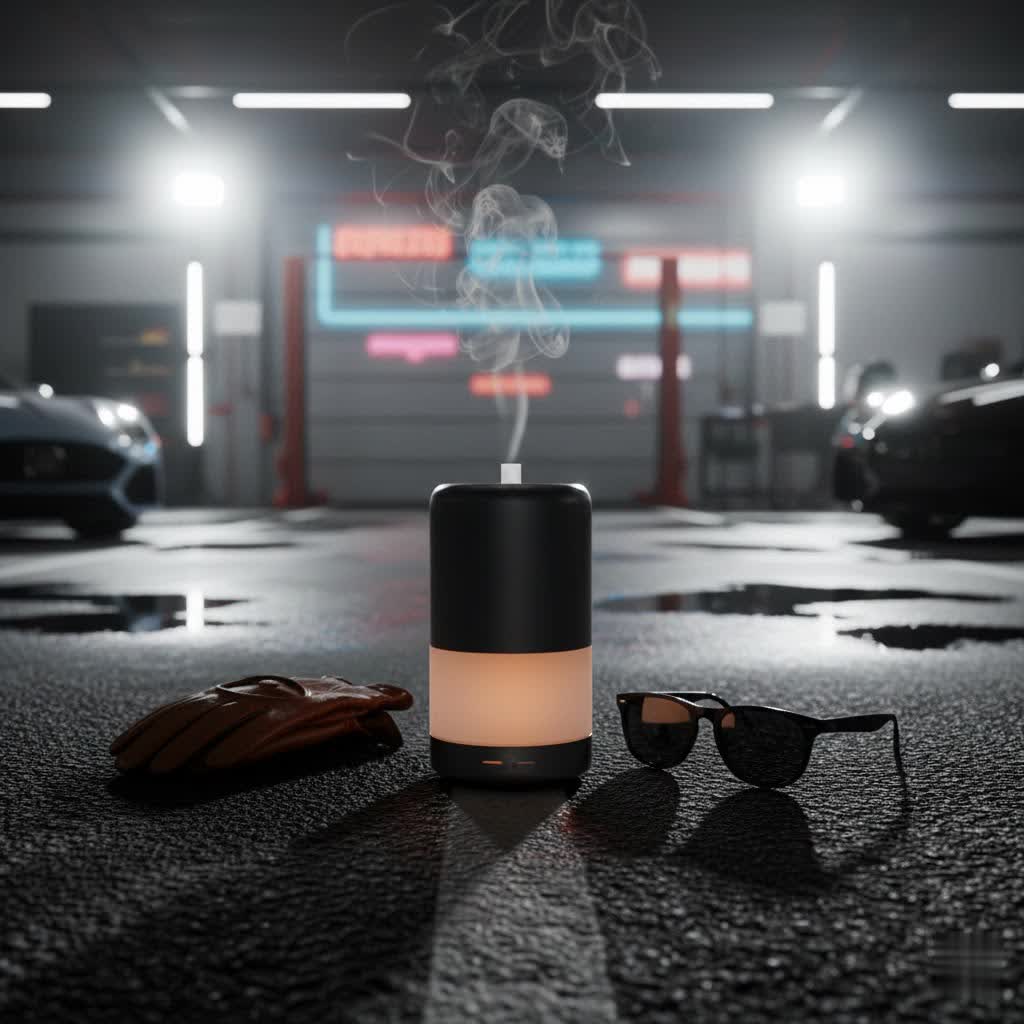
An essential oil diffuser is an innovative device designed to disperse essential oils into the surrounding air, allowing you to experience their aromatic and therapeutic properties. These oils, often referred to as “essence oils” due to being the concentrated “essence” of a plant, are natural extracts derived from various parts of botanicals like flowers, leaves, bark, and roots. Through various mechanisms, a diffuser takes these potent oils and releases them as a fine mist or vapor, making their benefits easily accessible through inhalation.
The journey of aromatherapy, the practice of using natural plant extracts for health and well-being, spans thousands of years, with ancient civilizations utilizing aromatic plants for medicine, rituals, and personal care. Modern essential oil diffusers are a technological evolution of these age-old practices, offering a convenient and efficient way to integrate aromatherapy into daily life. Today’s market boasts several popular types, each employing a unique method to deliver the plant’s natural goodness into your environment.
Benefits of Using an Essential Oil Diffuser
Integrating an essential oil diffuser into your daily routine can unlock a cascade of benefits for both your physical and mental well-being. These natural aromas do more than just make your home smell inviting; they interact with your body’s systems to promote a healthier, more balanced lifestyle.
Relaxation and Stress Reduction
|
Our Picks for the Best Oil Diffuser in 2026
As an Amazon Associate I earn from qualifying purchases.
|
||
| Num | Product | Action |
|---|---|---|
| 1 | SALKING Essential Oil Diffuser (Set of 2), 100ml Small Aromatherapy Diffuser with Auto Shut-Off, Ultrasonic Diffusers for Essential Oils, Cool Mist Humidifier with Warm White Lights, for Office Home - Set of 2, 100ml, Small, Aromatherapy Diffuser, Essential Oils, Cool Mist Humidifier, Warm White Lights, for Office Home |

|
| 2 | ASAKUKI 500ml Premium Essential Oil Diffuser with Remote Control, 5 in 1 Ultrasonic Aromatherapy Fragrant Oil Humidifier Vaporizer, Timer and Auto-Off Switch (White) |
|
| 3 | SALKING Essential Oil Diffuser, 100ml Small Aromatherapy Diffuser with Auto Shut-Off Function, Ultrasonic Diffusers for Essential Oils, Cool Mist Humidifier with Warm White Lights, for Office Home - 100ml, Small, Aromatherapy Diffuser, Ultrasonic Diffusers, Essential Oils, Cool Mist Humidifier, Warm White Lights, Office Home |
|
| 4 | 300ML Essential Oil Diffuser with 7-Color LED Lights and Remote Control, Modern Minimalist Design, High-Efficiency Ultrasonic Mist Aromatherapy Diffuser for Home - 300ML, Modern Minimalist Design, High-Efficiency, Ultrasonic Mist, for Home |
|
| 5 | Waterless Diffuser for Essential Oil: Mini Battery Scent Diffuser for Room&Home&Car with 9 Colors LED Light - Aroma Cool Mist Machine Dark Black |
|
| 6 | ASAKUKI 300ML Essential Oil Diffuser, Quiet 5-in-1 Premium Humidifier, Home Fragrance Aroma Diffuser with 7 LED Color Changing Light and Auto-Off Switch -Light Brown - Aroma Diffuser, 5-in-1, Quiet, 7 LED Color Changing Light, Auto-Off Switch, Light Brown |
|
| 7 | 3-in-1 Galaxy Projector Humidifier & Essential Oil Diffuser, 7-Color Rotating Star Night Light with Healing Water Wave Lighting, Aromatherapy for Relaxation & Sleep, for Bedroom Home Decor |
|
| 8 | ASAKUKI Essential Oil Diffuser 500ml, Ultrasonic Aromatherapy Humidifier with Remote Control, 7 LED Colors, Timer & Auto-Off, Large Room Diffuser |
|
| 9 | Lumixx Diffuser with Aroma Oil, Plug-in Waterless Essential Oil Diffuser, Smart Bluetooth App Control, Covers Up to 800 sq ft, 100ml Capacity, Cold Air Scent Technology, White |
|
| 10 | URPOWER Essential Oil Diffusers for Home with 7 LED Color Changing Lights, Timer & Auto-Off Ultrasonic Aromatherapy Diffuser Cool Mist Humidifer Scent Diffuser for Bedroom, Office, Yoga |
|
In our fast-paced world, finding moments of calm is essential. Many essential oils, such as lavender, frankincense, and chamomile, are renowned for their calming properties. Diffusing these oils can create a tranquil atmosphere, helping to reduce feelings of stress, anxiety, and tension, promoting a profound sense of relaxation.
Improved Sleep Quality
Struggling with restless nights? Certain essential oils, like lavender and ylang-ylang, are powerful allies for sleep. Diffusing them in your bedroom before bedtime can signal to your body that it’s time to unwind, fostering a peaceful environment conducive to deeper, more restorative sleep.
Mood Enhancement and Energy Boost
The right aroma can significantly impact your emotional state. Citrus oils such as lemon, orange, and grapefruit are known for their uplifting and energizing qualities, making them perfect for boosting mood and increasing alertness throughout the day. Peppermint and rosemary can invigorate the mind, sharpening focus and reducing mental fatigue.
Enhanced Respiratory Health
For those prone to seasonal allergies, colds, or general congestion, diffusers can be a breath of fresh air. Oils like eucalyptus, tea tree, and peppermint can help clear nasal passages, ease breathing, and minimize the effects of airborne irritants, providing natural respiratory support.
Air Purification and Odor Elimination
Beyond masking unpleasant smells, some essential oils possess antimicrobial properties that can help purify the air. Tea tree and eucalyptus, for instance, can combat airborne pathogens, contributing to a cleaner and healthier indoor environment by reducing bacteria and fungi. They naturally eliminate odors rather than covering them up with synthetic fragrances.
Pain and Ache Relief
While not a replacement for medical treatment, certain essential oils like peppermint, rosemary, and ginger have traditional uses for pain management. Diffusing these oils can help alleviate headaches, muscle tension, and even some forms of joint discomfort by promoting relaxation and altering the psychological perception of pain.
Popular Types of Essential Oil Diffusers
Understanding the different types of essential oil diffusers is crucial to selecting one that aligns with your specific needs and preferences. Each method of diffusion offers unique advantages and considerations.
Ultrasonic Diffuser
The most common type, ultrasonic diffusers, use electronic frequencies to create vibrations in water, which then vaporize the essential oil and water mixture into a fine, cool mist.
- How it works: A small ceramic disc vibrates rapidly, breaking down the essential oil and water into micro-particles that are dispersed into the air.
- Pros:
- Quiet Operation: They are typically very quiet, making them ideal for bedrooms and offices.
- Humidification: They add a gentle mist of humidity to the air, which can be beneficial in dry climates.
- Oil Conservation: Essential oils are diluted with water, making them last longer.
- Cool Mist: No heat is used, preserving the therapeutic integrity of the essential oils.
- Cons:
- Diluted Scent: The scent may be less potent compared to nebulizers due to dilution.
- Requires Water: Regular refilling and cleaning of the water reservoir are necessary.
- Not Ideal for Humid Areas: Adds moisture to the air, which might be undesirable in already humid environments.
Nebulizing Diffuser
Nebulizing diffusers disperse pure, undiluted essential oil into the air without the use of water or heat. They utilize an atomizer to create a very fine, potent mist.
- How it works: A jet nozzle and pressurized air create a vacuum that draws essential oil up a tube, breaking it into tiny particles that are then released into the air.
- Pros:
- Strong, Pure Scent: Delivers the most potent and undiluted aroma, maximizing therapeutic benefits.
- Waterless Operation: No water is needed, eliminating the risk of mold or mildew associated with water reservoirs.
- No Heat: Preserves the chemical integrity of the essential oils.
- Wide Coverage: Can effectively scent larger spaces with pure oil.
- Cons:
- Uses More Oil: Consumes essential oils more quickly due to direct diffusion.
- Louder: Can be noisier than ultrasonic diffusers due to the air pump.
- More Expensive: Generally higher upfront cost.
- Cleaning: Can be more challenging to clean, requiring alcohol rinses.
Evaporative Diffuser
Evaporative diffusers use a fan to blow air across a pad or filter that has been saturated with essential oil, causing the oil to evaporate into the air.
- How it works: Essential oil is dropped onto an absorbent pad or material, and a fan circulates air over it, causing the oil to evaporate and diffuse.
- Pros:
- Simplicity and Portability: Often compact, battery-operated, and easy to use.
- Quiet (Fan-based): Many models are relatively quiet.
- No Water Required: Simple and mess-free.
- Cons:
- Varying Scent Profile: Lighter oil components evaporate first, altering the aroma over time.
- Less Therapeutic: The rapid evaporation may diminish some therapeutic qualities.
- Limited Coverage: Best suited for smaller areas or personal use.
Heat Diffuser
Heat diffusers use a heat source, often a light bulb or a ceramic element, to gently warm the essential oil and cause it to evaporate into the air.
- How it works: Essential oil is placed in a small dish or basin, and a gentle heat source warms it, facilitating its evaporation and diffusion. Some models may use water.
- Pros:
- Quiet Operation: Almost silent, as there are no moving parts.
- Stronger Aroma: Heat can intensify the fragrance of some oils.
- Oil Conservation: Often use less oil than nebulizing diffusers.
- Cons:
- Altered Oil Properties: Excessive heat can alter the chemical composition and therapeutic benefits of essential oils.
- Potential Safety Concerns: Open flames (candle diffusers) or hot surfaces require caution.
- Slower Diffusion: Scent dispersal can be slower and less immediate.
Comparing Essential Oil Diffusers
Choosing the right diffuser often comes down to balancing various factors. Here’s a comparison to help you make an informed decision:
| Feature | Ultrasonic Diffuser | Nebulizing Diffuser | Evaporative Diffuser | Heat Diffuser |
|---|---|---|---|---|
| Price | Moderate | Higher | Lower | Low to Moderate |
| Noise Level | Very Quiet (gentle hum, water gurgle) | Moderate (air pump sound) | Quiet (gentle fan) | Silent |
| Diffusion Effectiveness | Good, fine mist | Excellent, pure concentrated mist | Fair, lighter notes first | Good, strong aroma |
| Ease of Cleaning | Moderate (water reservoir needs regular cleaning) | Moderate to Difficult (requires alcohol rinses) | Easy (pads need replacement/cleaning) | Easy (dish needs wiping) |
| Water Requirement | Yes | No | No | Some models use water, some don’t |
| Therapeutic Purity | Good (cool mist preserves oil integrity) | Excellent (pure, undiluted oil) | Fair (some therapeutic loss due to evaporation) | Fair (potential therapeutic loss due to heat) |
| Coverage Area | Small to Medium rooms | Medium to Large rooms | Small rooms, personal space | Small to Medium rooms |
| Additional Benefits | Humidification, often has LED lights/timers | Most potent aromatherapy | Portable, simple | Often enhances heavier oil aromas |
How to Choose the Right Essential Oil Diffuser (Buying Guide)
Selecting the perfect essential oil diffuser involves considering your lifestyle, needs, and the specific environment where it will be used. Here’s a practical guide to help you navigate your options:
Identify Your Usage Needs
Start by determining where and why you’ll be using the diffuser.
- Room Size: For a large living area, a nebulizing diffuser or a powerful ultrasonic model might be best. For a bedroom or office, a quieter ultrasonic or a smaller evaporative diffuser could be sufficient.
- Purpose: Are you primarily seeking therapeutic benefits, room fragrance, or a combination? Nebulizers offer the purest aromatherapy, while ultrasonics provide a balance of scent and humidification.
- Desired Aroma Intensity: If you prefer a strong, unadulterated scent, a nebulizing diffuser is ideal. For a more subtle aroma, an ultrasonic or evaporative model might be better.
Choose the Right Type
Based on the pros and cons discussed, select the diffuser type that aligns with your priorities.
- For pure aromatherapy and strong scent: Opt for a nebulizing diffuser.
- For a balance of scent, quiet operation, and mild humidification: An ultrasonic diffuser is an excellent all-rounder.
- For portability, simplicity, and smaller spaces: Consider an evaporative diffuser.
- For consistent background scent with minimal fuss: A heat diffuser (especially low-heat models) can be effective.
Consider Additional Features
Modern diffusers come with a variety of features that can enhance your experience.
- Timers: Allows you to set diffusion intervals (e.g., 30 minutes on, 30 minutes off) to avoid over-saturation and conserve oil.
- Automatic Shut-off: A vital safety feature, especially for ultrasonic diffusers that use water, preventing the unit from running dry.
- LED Lights: Many diffusers include ambient, color-changing LED lights, adding to the aesthetic and creating a soothing ambiance.
- Remote Control: Offers convenience, allowing you to operate the diffuser from across the room.
- Intermittent Settings: Helpful for extending diffusion time and preventing the scent from becoming overwhelming.
Choose a Reputable Brand and Quality Materials
Invest in a diffuser from a well-known brand that prioritizes quality. This ensures durability, efficient operation, and safe use. Look for models made from BPA-free plastics, glass, or ceramic, especially for parts that come into contact with essential oils. High-quality construction reduces the risk of leaks, malfunctions, or degradation from essential oils.
Read User Reviews
Before making a final decision, always read customer reviews. Real-world feedback can provide invaluable insights into a diffuser’s performance, durability, ease of cleaning, and any potential quirks or issues. Look for consistent praise regarding scent dispersal, noise level, and longevity.
Top Essential Oil Diffusers (Product Review Placeholder)
This section would typically feature detailed reviews of specific, highly-rated essential oil diffuser models, covering their unique features, performance, pros, cons, and pricing. As an AI, I cannot provide real-time product reviews or recommendations. However, when selecting, look for models that match the criteria in the buying guide above, paying close attention to user satisfaction and expert endorsements.
Essential Oil Diffuser Usage and Maintenance
To ensure your essential oil diffuser operates safely, effectively, and lasts for years, proper usage and regular maintenance are crucial.
How to Use Your Essential Oil Diffuser Safely and Effectively
- Read the Manual: Always begin by reading the manufacturer’s instructions specific to your diffuser model.
- Placement: Place your diffuser on a stable, flat surface away from direct sunlight, drafts, and out of reach of children and pets. Ensure it’s in a well-ventilated area, but not so well-ventilated that the aroma immediately dissipates.
- Filling (for Ultrasonic): Fill the water reservoir to the indicated fill line with clean, tap water. Avoid overfilling.
- Add Essential Oils: Add a few drops of 100% pure essential oil. A good starting point is 3-5 drops for small rooms and 5-10 drops for larger spaces, but adjust based on your preference and the oil’s potency.
- Run Time: Avoid continuous diffusion for extended periods. Most experts recommend diffusing for 15-30 minutes, followed by an hour break, repeating as desired. This prevents over-exposure and olfactory fatigue.
- High-Quality Oils: Always use therapeutic-grade, 100% pure essential oils. Avoid fragrance oils or “diffuser oils” that contain synthetic ingredients, as these can be harmful to inhale and can damage your diffuser.
How to Clean and Care for Your Essential Oil Diffuser
Regular cleaning is essential to prevent oil residue buildup, which can affect performance and potentially lead to mold or mildew, especially in water-based diffusers.
- Empty and Rinse: After each use (or at least daily for ultrasonic diffusers), empty any remaining water and essential oil. Rinse the reservoir thoroughly with clean water.
- Wipe Down: Use a soft cloth or cotton swab with a little rubbing alcohol to gently wipe down the inside of the water reservoir and the ultrasonic disc (if applicable). This helps remove oil residue.
- Deep Clean (Weekly): For a more thorough clean, fill your ultrasonic diffuser halfway with water and add 1-2 teaspoons of white vinegar. Run the diffuser for 5-10 minutes, then drain and rinse thoroughly. For nebulizing diffusers, run pure rubbing alcohol through the unit occasionally.
- Air Dry: Allow all components to air dry completely before reassembling or storing.
Important Considerations
- Pets and Children: Some essential oils can be toxic to pets (especially cats and dogs) or too potent for young children. Research pet-safe oils and always diffuse in a well-ventilated area where pets can leave if they choose. Consult a veterinarian or pediatrician if you have concerns.
- Ventilation: Always ensure good air circulation in the room where you’re diffusing.
- Pregnancy and Health Conditions: If you are pregnant, nursing, or have a pre-existing health condition, consult with a healthcare professional before using essential oils.
Conclusion
Embracing the world of essential oil diffusers offers a simple yet profound way to enrich your daily life with natural wellness. From cultivating a serene sanctuary for relaxation and improving sleep to boosting your mood, enhancing respiratory health, and purifying the air, the benefits are truly transformative. With a variety of types, including quiet ultrasonic, potent nebulizing, portable evaporative, and gentle heat diffusers, there’s a perfect match for every need and space. By understanding how to choose, use, and maintain your diffuser with high-quality essential oils, you unlock a powerful tool for holistic well-being. So, what aromatic journey will you embark on today?
Frequently Asked Questions
What is the main difference between an essential oil diffuser and a humidifier?
While both release mist, an essential oil diffuser’s primary purpose is to disperse aromatic essential oils for therapeutic benefits. A humidifier, on the other hand, is designed solely to add moisture to the air to combat dryness, typically without adding scent unless specifically designed for essential oils.
Are essential oil diffusers safe to use every day?
Yes, essential oil diffusers are generally safe for daily use when following recommended guidelines, such as using high-quality pure essential oils, diffusing in well-ventilated areas, and adhering to intermittent run times (e.g., 30-60 minutes on, then off). Over-exposure can lead to sensitivities.
How many drops of essential oil should I put in my diffuser?
The ideal number of drops depends on your diffuser type, room size, and desired intensity, but a common recommendation is 3-5 drops for small rooms and 5-10 drops for larger spaces. Always start with fewer drops and add more if a stronger aroma is desired.
Can I use fragrance oils or synthetic oils in my essential oil diffuser?
It is strongly recommended to only use 100% pure, therapeutic-grade essential oils. Fragrance oils and synthetic oils can contain chemicals that may be harmful to inhale, compromise the therapeutic benefits, and potentially damage or clog your diffuser over time.
How often should I clean my essential oil diffuser?
For optimal performance and hygiene, ultrasonic diffusers should be rinsed daily after use and given a deeper clean with water and white vinegar weekly. Nebulizing diffusers may require less frequent rinsing but should be cleaned with rubbing alcohol regularly to prevent oil buildup.
What are the best essential oils for relaxation and sleep?
For relaxation and improved sleep, popular essential oils include lavender, chamomile, frankincense, sandalwood, and ylang-ylang. These oils are known for their calming and sedative properties, creating a tranquil environment conducive to unwinding.
Can essential oil diffusers help with breathing issues or allergies?
Certain essential oils like eucalyptus, peppermint, and tea tree are known for their respiratory benefits. When diffused, they can help clear airways, reduce congestion, and minimize the effects of seasonal allergies, promoting easier and clearer breathing.
