In our fast-paced world, finding moments of tranquility and balance at home has become more crucial than ever. Oil diffusers, once considered luxury items, are now beloved staples in countless households, transforming ordinary spaces into aromatic sanctuaries. But the true magic lies not just in the device itself, but in the captivating and therapeutic world of diffuser oil scents. These aromatic essences hold the power to influence our mood, enhance our well-being, and redefine the very atmosphere of our living spaces.
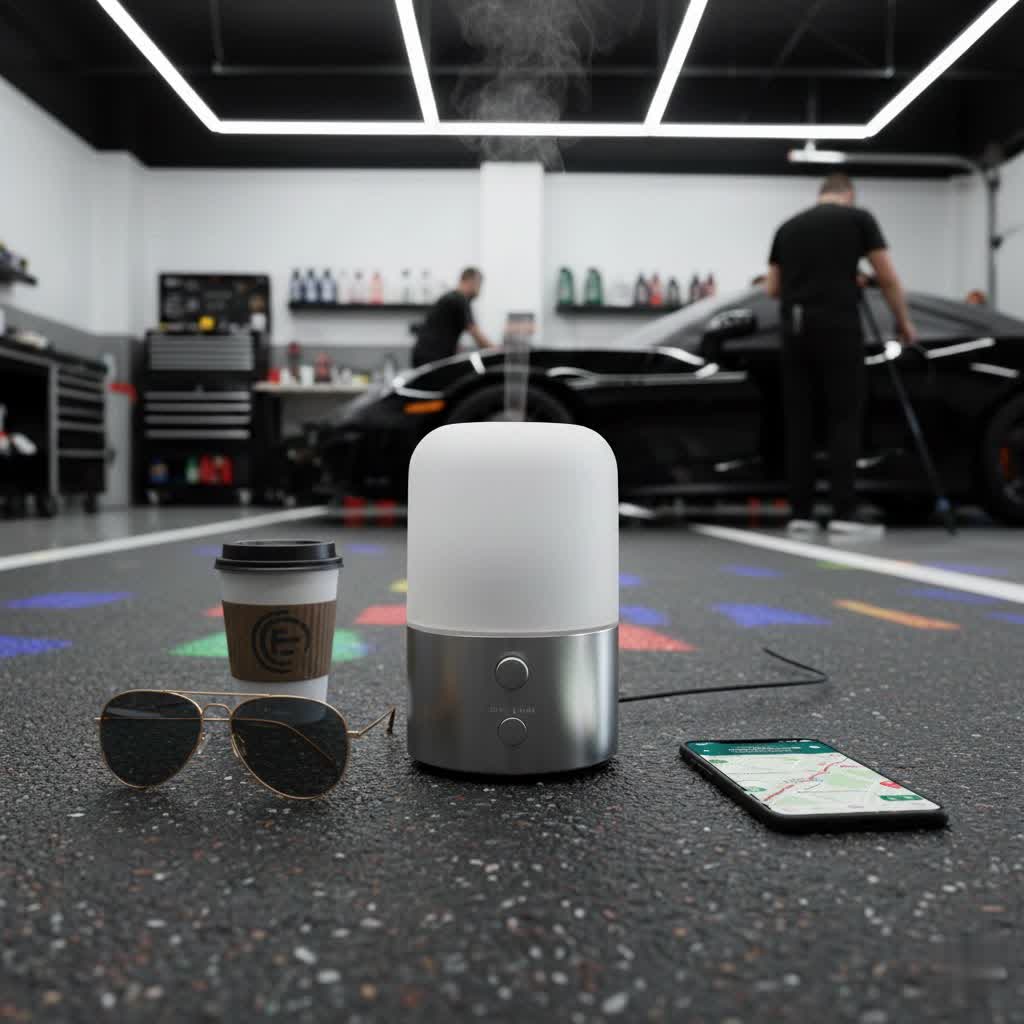
This guide delves into everything you need to know about diffuser oil scents, from understanding their origins and diverse benefits to choosing the perfect aromas for every room and ensuring safe, effective use. Whether you seek deep relaxation, an energy boost, or simply a fresher home, the right oil diffuser scent can unlock a profound sense of wellness.
What Are Oil Diffuser Scents?
At its core, an oil diffuser scent is an aromatic liquid designed to be dispersed into the air, typically using a diffuser device. These scents predominantly come in two forms: essential oils and fragrance oils. The distinction is crucial for understanding their properties and benefits.
Essential oils are natural, concentrated extracts derived directly from plants—flowers, leaves, stems, roots, or fruit peels—through processes like distillation or cold pressing. They capture the plant’s true essence, including its unique aroma and therapeutic properties. These oils are volatile, meaning they evaporate readily, releasing their scent and beneficial compounds into the air. When diffused, essential oils interact with our limbic system, the part of the brain that influences emotions, memory, and behavior, offering genuine aromatherapy benefits.
Fragrance oils, on the other hand, are often synthetic, created in a laboratory to mimic natural scents or develop entirely new ones. While they can provide pleasant aromas, they generally do not offer the therapeutic benefits associated with pure essential oils. For true aromatherapy and wellness impacts, always prioritize 100% pure essential oils.
When placed in a diffuser, these oils are broken down into a fine mist or vapor and gently released into your environment, filling the space with their unique aromas and properties.
The Power of Scent: Benefits of Diffuser Oil Scents
The use of aromatic oils goes beyond merely making a room smell nice; it taps into ancient practices of aromatherapy, impacting both mental and physical well-being. The benefits of incorporating diffuser oil scents into your daily routine are diverse and profound.
One of the most immediate and appreciated advantages is the enhancement of mood and reduction of stress. Scents like lavender, chamomile, and bergamot are renowned for their calming properties, helping to lower cortisol levels and create a tranquil atmosphere conducive to relaxation. In contrast, citrus oils such as lemon and orange can instantly uplift spirits and promote feelings of happiness and positivity.
Diffuser oil scents can significantly improve sleep quality. Many individuals struggle to unwind at the end of the day, but diffusing calming oils like lavender, sandalwood, or vetiver before bedtime can signal to the mind and body that it’s time to rest, encouraging deeper and more restorative sleep.
For those needing a mental edge, certain scents are excellent for boosting focus and energy. Peppermint, rosemary, and lemon oils are known to enhance mental alertness, improve concentration, and reduce mental fatigue, making them perfect for home offices, study areas, or any time you need to stay sharp and productive.
Furthermore, diffuser oils can actively purify the air and support respiratory health. Essential oils like eucalyptus, tea tree, and peppermint possess natural antimicrobial and decongestant properties. When diffused, they can help eliminate airborne germs and bacteria, open airways, reduce sinus pressure, and improve breathing, which is particularly beneficial during allergy season or when dealing with colds.
Ultimately, using diffuser oil scents allows you to create a personalized ambiance that reflects your desired mood and supports your lifestyle. From a vibrant, energizing morning to a peaceful, meditative evening, the right scent can transform the sensory experience of your home.
Popular Categories of Oil Diffuser Scents and Their Uses
The world of diffuser oil scents is vast and varied, with each category offering unique characteristics and therapeutic benefits. Understanding these can help you curate your perfect aromatic environment.
Relaxing & Calming Scents
These scents are your allies against stress and anxiety, fostering an environment of peace and serenity. They are ideal for winding down after a long day, preparing for sleep, or creating a meditative space.
- Lavender: The undisputed champion of relaxation, lavender is a versatile floral scent known for its ability to reduce stress, calm the nervous system, and promote restful sleep. It blends beautifully with almost anything.
- Chamomile (Roman): With a gentle, apple-like herbaceous aroma, Roman Chamomile is profoundly soothing, helping to alleviate anxiety and promote inner peace.
- Sandalwood: Earthy, woody, and warm, sandalwood provides a grounding effect, often used in meditation to quiet the mind and encourage a sense of calm and spiritual connection.
- Frankincense: Known as the “king of oils,” frankincense has a rich, resinous scent that promotes feelings of peace, relaxation, and overall wellness, often used in spiritual practices.
- Vetiver: A deep, smoky, and earthy oil, vetiver is highly grounding and calming, perfect for intense stress relief and promoting deep, undisturbed sleep.
|
Our Picks for the Best Oil Diffuser in 2026
As an Amazon Associate I earn from qualifying purchases.
|
||
| Num | Product | Action |
|---|---|---|
| 1 | URPOWER Essential Oil Diffusers for Home with 7 LED Color Changing Lights, Timer & Auto-Off Ultrasonic Aromatherapy Diffuser Cool Mist Humidifer Scent Diffuser for Bedroom, Office, Yoga |

|
| 2 | 3-in-1 Galaxy Projector Humidifier & Essential Oil Diffuser, 7-Color Rotating Star Night Light with Healing Water Wave Lighting, Aromatherapy for Relaxation & Sleep, for Bedroom Home Decor |
|
| 3 | Waterless Diffuser for Essential Oil: Mini Battery Scent Diffuser for Room&Home&Car with 9 Colors LED Light - Aroma Cool Mist Machine Dark Black |
|
| 4 | ASAKUKI 300ML Essential Oil Diffuser, Quiet 5-in-1 Premium Humidifier, Home Fragrance Aroma Diffuser with 7 LED Color Changing Light and Auto-Off Switch -Light Brown - Aroma Diffuser, 5-in-1, Quiet, 7 LED Color Changing Light, Auto-Off Switch, Light Brown |
|
| 5 | 300ML Essential Oil Diffuser with 7-Color LED Lights and Remote Control, Modern Minimalist Design, High-Efficiency Ultrasonic Mist Aromatherapy Diffuser for Home - 300ML, Modern Minimalist Design, High-Efficiency, Ultrasonic Mist, for Home |
|
| 6 | SALKING Essential Oil Diffuser (Set of 2), 100ml Small Aromatherapy Diffuser with Auto Shut-Off, Ultrasonic Diffusers for Essential Oils, Cool Mist Humidifier with Warm White Lights, for Office Home - Set of 2, 100ml, Small, Aromatherapy Diffuser, Essential Oils, Cool Mist Humidifier, Warm White Lights, for Office Home |
|
| 7 | ASAKUKI Essential Oil Diffuser 500ml, Ultrasonic Aromatherapy Humidifier with Remote Control, 7 LED Colors, Timer & Auto-Off, Large Room Diffuser |
|
| 8 | SALKING Essential Oil Diffuser, 100ml Small Aromatherapy Diffuser with Auto Shut-Off Function, Ultrasonic Diffusers for Essential Oils, Cool Mist Humidifier with Warm White Lights, for Office Home - 100ml, Small, Aromatherapy Diffuser, Ultrasonic Diffusers, Essential Oils, Cool Mist Humidifier, Warm White Lights, Office Home |
|
| 9 | Lumixx Diffuser with Aroma Oil, Plug-in Waterless Essential Oil Diffuser, Smart Bluetooth App Control, Covers Up to 800 sq ft, 100ml Capacity, Cold Air Scent Technology, White |
|
| 10 | ASAKUKI 500ml Premium Essential Oil Diffuser with Remote Control, 5 in 1 Ultrasonic Aromatherapy Fragrant Oil Humidifier Vaporizer, Timer and Auto-Off Switch (White) |
|
Common Blends for Relaxation: Lavender & Chamomile; Sandalwood & Frankincense; Bergamot & Lavender.
Energizing & Uplifting Scents
When you need a mental pick-me-up or a boost of motivation, these scents are your go-to. They are perfect for kickstarting your morning, enhancing focus during work, or brightening a dull afternoon.
- Lemon: Bright, zesty, and refreshing, lemon oil is a powerful mood enhancer, known for its uplifting and energizing properties. It also helps purify the air.
- Orange (Sweet): A cheerful and sweet citrus aroma, sweet orange is invigorating yet calming, reducing anxiety while lifting spirits.
- Peppermint: Crisp, cool, and stimulating, peppermint oil is excellent for boosting alertness, improving concentration, and alleviating headaches and mental fatigue.
- Rosemary: With a fresh, herbaceous, and stimulating aroma, rosemary is prized for its ability to enhance memory, focus, and cognitive performance.
- Grapefruit: Another vibrant citrus, grapefruit offers a refreshing and uplifting scent that can reduce feelings of stress and provide an energizing boost.
Common Blends for Energy: Peppermint & Lemon; Rosemary & Eucalyptus; Sweet Orange & Grapefruit.
Purifying & Refreshing Scents
These scents are perfect for neutralizing odors, cleansing the air, and creating a crisp, clean-smelling environment, especially in bathrooms, kitchens, or areas prone to staleness.
- Eucalyptus: A strong, camphoraceous scent, eucalyptus is excellent for clearing airways, supporting respiratory health, and eliminating unpleasant odors.
- Tea Tree: Known for its potent antibacterial, antiviral, and antifungal properties, tea tree oil purifies the air and creates a clean, fresh atmosphere.
- Lemongrass: A bright, lemony, and slightly earthy aroma, lemongrass is uplifting and excellent for deodorizing, leaving a fresh and clean scent.
- Lime: Zesty and invigorating, lime oil is a fantastic natural cleaner and air freshener, dispelling odors and uplifting the mood.
Common Blends for Purification: Eucalyptus & Tea Tree; Lemon & Lemongrass; Peppermint & Eucalyptus.
Grounding & Balancing Scents
For moments when you need to feel more centered, balanced, and connected to the earth, these scents provide a sense of stability and calm.
- Cedarwood: A warm, woody, and comforting scent, cedarwood helps to calm the mind, reduce tension, and promote emotional balance, often used for sleep.
- Patchouli: Earthy, musky, and sweet, patchouli is known for its grounding and mood-stabilizing effects, making it ideal for meditation and fostering a sense of peace.
- Myrrh: A warm, woody, and slightly spicy aroma, myrrh is traditionally used for its calming properties and its ability to promote introspection and spiritual connection.
- Spruce: A crisp, evergreen scent, spruce essential oil is grounding and refreshing, helping to clear the mind and reduce stress.
Common Blends for Grounding: Sandalwood & Cedarwood; Frankincense & Patchouli.
Choosing the Right Oil Diffuser Scents for Your Home
Selecting the perfect oil diffuser scent is an art that combines personal preference with intended purpose. Here’s a guide to help you make informed choices that enhance every corner of your home.
Consider Your Wellness Goals
Before even looking at scents, ask yourself: What do I want to achieve?
- For Relaxation & Sleep: Opt for calming oils like lavender, Roman chamomile, sandalwood, or vetiver.
- For Focus & Productivity: Choose invigorating scents such as peppermint, rosemary, or lemon.
- For Mood Boosting: Citrus oils like sweet orange, lemon, or bergamot are excellent.
- For Air Purification: Eucalyptus, tea tree, and lemongrass are powerful choices.
> “The most effective way to choose a diffuser scent is to align it with your immediate needs. Are you winding down, powering up, or simply refreshing your space? Let your intentions guide your choice.”
Match Scents to Room & Purpose
Different rooms in your home serve different functions, and their aromas should reflect this.
- Bedroom: Create a serene retreat with calming oils like lavender, chamomile, or cedarwood to promote restful sleep.
- Home Office/Study: Enhance concentration and reduce mental fatigue with peppermint, rosemary, or lemon.
- Living Room: Foster a welcoming and fresh atmosphere with versatile scents like eucalyptus, bergamot, or sweet orange.
- Bathroom: Purify the air and create a spa-like feel with tea tree, eucalyptus, or lemongrass.
- Kitchen: Neutralize cooking odors with crisp scents like lemon, lime, or peppermint.
Explore Single Oils vs. Blends
You can use individual essential oils or combine them to create custom blends.
- Single Oils: Great for understanding the unique properties of each oil or when you have a specific, singular goal (e.g., pure lavender for sleep).
- Blends: Allow for a more complex aroma and can combine the therapeutic benefits of multiple oils to target specific needs. For example, a blend of peppermint and lemon can provide both an energy boost and mood uplift. Experiment with a few drops of each oil until you find a combination you love.
Seasonal Scents
Changing your diffuser scents with the seasons can keep your home feeling fresh and in sync with nature’s rhythm.
- Spring: Embrace floral and citrus notes like lavender, lemon, or geranium for a light, refreshing feel.
- Summer: Transport yourself to a tropical getaway with scents like lime, grapefruit, or even exotic blends mimicking coconut or mango.
- Fall: Cozy up with warm, spicy, and earthy aromas such as cinnamon, clove, fir needle, or sweet orange.
- Winter: Create a festive and crisp ambiance with pine, peppermint, or frankincense.
Prioritize Purity and Quality
This is perhaps the most critical factor. Always choose 100% pure essential oils from reputable sources. Avoid synthetic fragrance oils if you are seeking therapeutic benefits, as they often lack the plant’s natural compounds and may contain harmful additives or allergens. Look for oils that are clearly labeled, ideally with information about their botanical name, country of origin, and extraction method.
Top Essential Oil Diffuser Scents to Try Now
Embark on your aromatherapy journey with these highly versatile and popular essential oil diffuser scents, each offering distinct benefits to enhance your daily life.
- Lavender Essential Oil: A timeless favorite, lavender is celebrated for its powerful calming and relaxing properties. It’s excellent for reducing stress, easing anxiety, and promoting deep, restful sleep. Try a blend: 3 drops Lavender, 2 drops Cedarwood for a deeply tranquil evening.
- Peppermint Essential Oil: Known for its invigorating and stimulating aroma, peppermint is your go-to for boosting focus, improving concentration, and alleviating headaches. Its crisp scent also helps clear nasal passages. Try a blend: 3 drops Peppermint, 2 drops Lemon for a refreshing energy boost and mental clarity.
- Lemon Essential Oil: Bright, uplifting, and incredibly fresh, lemon oil is a natural mood enhancer and powerful air purifier. It helps to neutralize odors and create an energized, positive atmosphere. Try a blend: 3 drops Lemon, 2 drops Eucalyptus for an invigorating and cleansing aroma, perfect for kitchens.
- Eucalyptus Essential Oil: With its strong, clean, and medicinal scent, eucalyptus is superb for respiratory support, helping to clear congestion and ease breathing. It’s also an effective air sanitizer. Try a blend: 2 drops Eucalyptus, 2 drops Tea Tree, 1 drop Peppermint for a powerful respiratory support blend.
- Sandalwood Essential Oil: This warm, woody, and subtly sweet oil offers profound grounding and calming effects. It’s ideal for meditation, stress reduction, and creating a peaceful ambiance that encourages restful sleep. Try a blend: 3 drops Sandalwood, 2 drops Frankincense for a deeply meditative and calming experience.
- Chamomile (Roman) Essential Oil: Gentle yet potent, Roman Chamomile has a sweet, herbaceous aroma that is wonderfully soothing. It helps to calm nervous tension, reduce irritability, and promote a sense of inner peace, making it excellent for evening diffusion. Try a blend: 3 drops Roman Chamomile, 2 drops Lavender for ultimate relaxation and bedtime bliss.
Safe Practices for Diffusing Essential Oil Scents
While the benefits of diffuser oil scents are numerous, safe usage is paramount. Essential oils are concentrated and potent, so a mindful approach ensures a pleasant and risk-free aromatherapy experience.
Follow Dilution Guidelines
For ultrasonic diffusers that use water, a general rule is 3-5 drops of essential oil per 100ml of water. Using too much oil can create an overpowering scent, potentially irritate the respiratory system, or even damage your diffuser over time. Always refer to your diffuser’s manufacturer guidelines for specific recommendations. Less is often more with essential oils; you can always add another drop if the scent is too subtle.
Diffuse Intermittently
Continuous diffusion is not recommended. Our bodies and nervous systems habituate to essential oils after a period, meaning the therapeutic value declines with constant exposure. Diffuse essential oils for 30-60 minutes on, then 30-60 minutes off. For shorter bursts, a maximum of 45 minutes is often suggested. This intermittent approach is not only safer but also more effective in preventing olfactory fatigue and potential sensitization.
Ensure Ventilation
Always diffuse in a well-ventilated space. If the aroma becomes too strong, open a window or door to allow for fresh air circulation. This prevents the accumulation of excessive vapor, especially in enclosed rooms, and helps maintain a healthy environment.
Keep Away from Children and Pets
Essential oils are potent and can be harmful if ingested or if exposure is too high, particularly for sensitive individuals, young children, and pets.
- Children: Keep diffusers and oil bottles out of their reach. Be especially cautious with babies and very young children; it’s often best to diffuse in areas they are not constantly present in, or use extremely low concentrations.
- Pets: Cats, in particular, are highly sensitive to essential oils as their livers lack certain enzymes to metabolize them. Always ensure pets have the option to leave the room if diffusing. Avoid strong oils like tea tree, citrus, and peppermint around them. Consult a vet if you have concerns.
Quality Matters
Reiterate the importance of using 100% pure, therapeutic-grade essential oils. Synthetic fragrance oils do not offer the same benefits and may contain chemicals that could be irritating or harmful when diffused.
Special Considerations
Exercise caution if you are pregnant, nursing, elderly, or have existing medical conditions (like asthma or severe allergies). Some oils may have contraindications. Always consult a healthcare provider or a certified aromatherapist if you have concerns. If you experience any adverse reactions, such as headaches, nausea, or respiratory discomfort, discontinue use immediately.
Conclusion
The world of oil diffuser scents offers an extraordinary pathway to enhance well-being, uplift spirits, and transform your living environment. From the calming embrace of lavender to the invigorating zest of lemon, each essential oil carries a unique symphony of benefits, carefully extracted from nature’s bounty. By understanding these aromatic allies, you gain the power to consciously curate the atmosphere of your home, supporting your daily rhythms, improving your sleep, boosting your focus, and promoting a deeper sense of inner peace.
Embracing diffuser oil scents is about more than just a pleasant smell; it’s about intentional living and harnessing nature’s purest essences for a healthier, happier you. So, which aromatic journey will you embark on today to elevate your personal sanctuary?
Frequently Asked Questions
How often should I diffuse essential oils?
It is generally recommended to diffuse essential oils intermittently, for periods of 30-60 minutes on, followed by 30-60 minutes off. Continuous diffusion can lead to olfactory fatigue and may reduce the therapeutic benefits over time, as your body adapts to the scent.
Can I mix different essential oils?
Yes, absolutely! Mixing different essential oils allows you to create unique aromatic blends and combine their therapeutic properties for enhanced effects. Experiment with 2-3 oils that complement each other in scent and benefit to customize your aromatherapy experience.
Are fragrance oils the same as essential oils?
No, they are not. Essential oils are natural, concentrated plant extracts with therapeutic properties, while fragrance oils are typically synthetic and created in a laboratory, primarily for their aroma. For genuine aromatherapy benefits, always choose 100% pure essential oils.
Are diffuser scents safe for pets?
While generally safe when used cautiously and intermittently, some essential oils can be toxic to pets, especially cats, due to their unique metabolism. Always ensure pets have unrestricted access to leave the room where oils are being diffused, and avoid strong or potentially harmful oils around them. Consult your veterinarian with any concerns.
What are the best scents for sleep?
For promoting restful sleep, popular essential oil scents include lavender, Roman chamomile, sandalwood, and vetiver. These oils are known for their calming, stress-reducing, and sedative properties, helping to create a peaceful environment conducive to a good night’s rest.
