Stepping into a home that smells divine can instantly shift your mood, inviting calm, boosting focus, or sparking joy. The secret often lies in the subtle power of an oil diffuser, transforming your environment with natural aromas. But with a vast array of choices, how do you find the best oil diffuser scents to perfectly match your desired atmosphere and well-being goals? This guide will navigate the aromatic world of essential oils, helping you unlock their full potential to create a sanctuary tailored just for you.
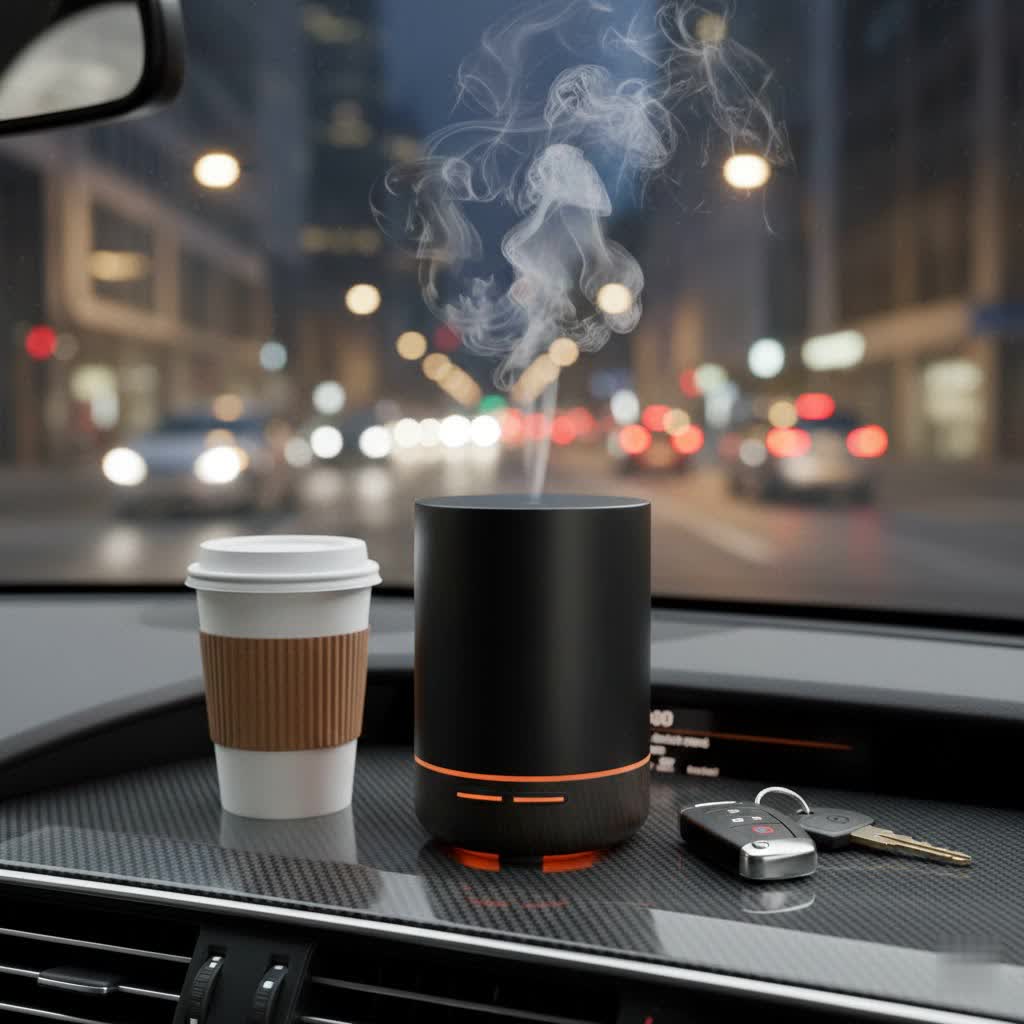
What is an Oil Diffuser?
An oil diffuser is a device designed to disperse essential oils into the air, allowing you to enjoy their aromatic and therapeutic benefits. It works by breaking down essential oils into fine particles, which are then released into your space, creating a pleasant and often beneficial aroma. While the concept of using natural scents for well-being dates back centuries, modern oil diffusers offer a convenient and efficient way to integrate aromatherapy into daily life. From ancient civilizations burning incense to modern ultrasonic marvels, the evolution of scent dispersion has focused on harnessing nature’s power.
Today, the market offers several popular types of oil diffusers, each employing a different method to disperse scents. Understanding these types is crucial for selecting the right one for your needs and ensuring optimal scent delivery.
Benefits of Using an Oil Diffuser
Beyond simply making your home smell good, using an oil diffuser offers a myriad of benefits that can significantly enhance your quality of life. The aromatic compounds from essential oils interact with your body’s systems, promoting physical and emotional well-being.
- Improved Air Quality: Many essential oils possess natural purifying properties, helping to cleanse the air of unwanted odors and airborne particles, creating a fresher breathing environment.
- Stress and Anxiety Reduction: Certain scents, like lavender and frankincense, are renowned for their calming effects, helping to soothe the nervous system, reduce feelings of stress, and alleviate anxiety. Diffusing these oils can create a tranquil ambiance, perfect for unwinding after a long day.
- Enhanced Sleep Quality: For those struggling with sleeplessness, specific essential oils can promote deep relaxation and encourage a more restful night’s sleep. Oils like chamomile and cedarwood are frequently used in bedrooms to set a serene tone for bedtime.
- Immune System Support: Some essential oils, such as eucalyptus and tea tree, are known for their immune-boosting properties. Diffusing them can help to support respiratory health and strengthen your body’s natural defenses, especially during cold and flu season.
- Creation of a Relaxing and Invigorating Space: Depending on the chosen scent, a diffuser can instantly transform a room into a spa-like retreat or an energizing workspace. Citrus scents can invigorate, while woody notes ground and comfort, creating a personalized atmosphere.
- Support for Specific Ailments: Essential oils can offer symptomatic relief for common issues like nasal congestion or headaches. Peppermint and eucalyptus are often diffused to help clear airways and ease tension.
Popular Types of Oil Diffusers
Understanding the different mechanisms of oil diffusers is key to choosing the device that best suits your lifestyle and scent preferences. Each type offers distinct advantages and considerations.
Ultrasonic Diffuser
Ultrasonic diffusers are the most popular type, using ultrasonic vibrations to break down a mixture of water and essential oil into a fine, cool mist that is then dispersed into the air.
- Advantages: Quiet operation, humidifies the air (beneficial in dry climates), preserves oil integrity (no heat), often includes features like LED lights and timers.
- Disadvantages: Requires water, needs regular cleaning to prevent mold buildup, can slightly dilute the scent compared to nebulizing diffusers.
- How to Use: Fill the water reservoir to the indicated line, add 5-10 drops of your chosen essential oil, replace the lid, and turn it on. Clean regularly by wiping with a damp cloth and vinegar.
|
Our Picks for the Best Oil Diffuser in 2026
As an Amazon Associate I earn from qualifying purchases.
|
||
| Num | Product | Action |
|---|---|---|
| 1 | SALKING Essential Oil Diffuser, 100ml Small Aromatherapy Diffuser with Auto Shut-Off Function, Ultrasonic Diffusers for Essential Oils, Cool Mist Humidifier with Warm White Lights, for Office Home - 100ml, Small, Aromatherapy Diffuser, Ultrasonic Diffusers, Essential Oils, Cool Mist Humidifier, Warm White Lights, Office Home |

|
| 2 | URPOWER Essential Oil Diffusers for Home with 7 LED Color Changing Lights, Timer & Auto-Off Ultrasonic Aromatherapy Diffuser Cool Mist Humidifer Scent Diffuser for Bedroom, Office, Yoga |
|
| 3 | ASAKUKI 500ml Premium Essential Oil Diffuser with Remote Control, 5 in 1 Ultrasonic Aromatherapy Fragrant Oil Humidifier Vaporizer, Timer and Auto-Off Switch (White) |
|
| 4 | Lumixx Diffuser with Aroma Oil, Plug-in Waterless Essential Oil Diffuser, Smart Bluetooth App Control, Covers Up to 800 sq ft, 100ml Capacity, Cold Air Scent Technology, White |
|
| 5 | ASAKUKI Essential Oil Diffuser 500ml, Ultrasonic Aromatherapy Humidifier with Remote Control, 7 LED Colors, Timer & Auto-Off, Large Room Diffuser |
|
| 6 | 300ML Essential Oil Diffuser with 7-Color LED Lights and Remote Control, Modern Minimalist Design, High-Efficiency Ultrasonic Mist Aromatherapy Diffuser for Home - 300ML, Modern Minimalist Design, High-Efficiency, Ultrasonic Mist, for Home |
|
| 7 | ASAKUKI 300ML Essential Oil Diffuser, Quiet 5-in-1 Premium Humidifier, Home Fragrance Aroma Diffuser with 7 LED Color Changing Light and Auto-Off Switch -Light Brown - Aroma Diffuser, 5-in-1, Quiet, 7 LED Color Changing Light, Auto-Off Switch, Light Brown |
|
| 8 | Waterless Diffuser for Essential Oil: Mini Battery Scent Diffuser for Room&Home&Car with 9 Colors LED Light - Aroma Cool Mist Machine Dark Black |
|
| 9 | 3-in-1 Galaxy Projector Humidifier & Essential Oil Diffuser, 7-Color Rotating Star Night Light with Healing Water Wave Lighting, Aromatherapy for Relaxation & Sleep, for Bedroom Home Decor |
|
| 10 | SALKING Essential Oil Diffuser (Set of 2), 100ml Small Aromatherapy Diffuser with Auto Shut-Off, Ultrasonic Diffusers for Essential Oils, Cool Mist Humidifier with Warm White Lights, for Office Home - Set of 2, 100ml, Small, Aromatherapy Diffuser, Essential Oils, Cool Mist Humidifier, Warm White Lights, for Office Home |
|
Nebulizing Diffuser
Nebulizing diffusers operate without water or heat, using an air pump to atomize pure essential oil into micro-fine droplets, releasing a highly concentrated aroma directly into the air.
- Advantages: Strongest scent diffusion, no water required, no dilution of oils, ideal for therapeutic use due to high concentration.
- Disadvantages: Can be noisier than ultrasonic models, uses oils more quickly, harder to clean, typically more expensive.
- How to Use: Attach the essential oil bottle directly or pour essential oil into the glass reservoir. Turn on. Clean periodically with rubbing alcohol to prevent clogging.
Evaporative Diffuser
Evaporative diffusers use a fan to blow air across a pad or filter that has been saturated with essential oil. The air then carries the scent as the oil evaporates.
- Advantages: Simple to use, portable (often battery-operated), no water or heat needed, affordable.
- Disadvantages: Scent can be less potent and dissipate quickly, lighter oil notes tend to evaporate faster than heavier ones, requiring more frequent reapplication.
- How to Use: Apply several drops of essential oil to an absorbent pad or filter, insert it into the diffuser, and turn on the fan.
Heat Diffuser
Heat diffusers use a gentle heat source (like a candle or electric plate) to warm essential oils, causing them to evaporate and release their aroma into the air.
- Advantages: Silent operation, can be very aesthetically pleasing (e.g., ceramic burners), affordable.
- Disadvantages: Heat can alter the chemical composition and therapeutic properties of some essential oils, scent intensity can be less consistent, fire hazard with candle models.
- How to Use: For electric models, place drops of essential oil on the heating plate. For candle models, add water and essential oil to the top dish and light a tea light below.
Comparing Different Oil Diffusers
Choosing the right diffuser often comes down to balancing cost, convenience, and desired scent intensity. Here’s a quick comparison:
| Feature | Ultrasonic Diffuser | Nebulizing Diffuser | Evaporative Diffuser | Heat Diffuser |
|---|---|---|---|---|
| Price Range | Mid-range | High-end | Low-range | Low-range |
| Scent Intensity | Medium | High (most potent) | Low to Medium | Low to Medium |
| Noise Level | Very Low (gentle hum) | Moderate (air pump sound) | Low (fan sound) | Silent (electric), Low (candle flicker) |
| Ease of Cleaning | Moderate (water reservoir needs regular cleaning) | Difficult (glass parts can clog, requires alcohol) | Easy (replace pads, wipe fan area) | Easy (wipe plate/dish) |
| Oil Consumption | Medium (diluted with water) | High (pure oil, fast dispersion) | Low to Medium (depending on oil) | Low (slow evaporation) |
| Maintenance | Regular cleaning, water refills | Occasional deep cleaning, oil refills | Pad replacement, oil refills | Oil refills, bulb/candle replacement |
| Humidification | Yes | No | No | No |
How to Choose the Right Oil Diffuser (Buying Guide)
Selecting the best oil diffuser scents begins with choosing the right diffuser. Consider these factors:
Determine Your Usage Needs
- Room Size: For large open spaces, a nebulizing diffuser offers powerful coverage, while a small ultrasonic or evaporative diffuser is sufficient for bedrooms or offices.
- Purpose: If you prioritize therapeutic benefits, a nebulizing or ultrasonic diffuser is ideal as they preserve oil integrity. For just a pleasant aroma, any type can work.
- Frequency: If you plan to diffuse daily, ease of use and cleaning become important.
Select the Diffuser Type
Based on the comparison, decide which type aligns with your priorities—silent operation, strong scent, or portability.
Consider Additional Features
- Timers: Auto-shutoff features are great for safety and conserving oil, especially when diffusing overnight.
- LED Lights: Many ultrasonic diffusers include color-changing lights, adding to the ambiance.
- Automatic Shut-off: A crucial safety feature, especially for ultrasonic diffusers running on water, preventing the unit from running dry.
Choose Reputable Brands
Invest in diffusers from trusted brands that offer good warranties and customer support. Quality construction ensures longevity and safe operation.
Read User Reviews
Real-world experiences can provide invaluable insights into a diffuser’s performance, durability, and user-friendliness.
Top 10 Best Oil Diffuser Scents Right Now
The world of essential oils offers an incredible palette of aromas, each with its own unique benefits. The “best” scent is truly personal, depending on your desired mood and outcome. Here are some of the best oil diffuser scents and popular blends, categorized by their primary effects:
1. For Relaxation and Sleep
- Lavender: The quintessential calming oil, known for promoting relaxation, reducing stress, and aiding sleep. Diffuse it solo or blend it for a serene evening.
- Chamomile (Roman): A gentle, soothing aroma that helps to quiet the mind and encourage restful sleep.
- Cedarwood: Offers a grounding, woody scent that can calm the nervous system and create a peaceful atmosphere.
- Popular Blend: Sweet Dreams: 4 drops Lavender, 3 drops Bergamot, 2 drops Cedarwood.
2. For Energy and Focus
- Lemon: A bright, uplifting citrus scent that can boost mood, reduce fatigue, and enhance concentration.
- Peppermint: Invigorating and stimulating, excellent for sharpening focus, improving memory, and clearing mental fog.
- Rosemary: Often associated with improved memory and alertness, making it ideal for study or work environments.
- Popular Blend: Focus Booster: 3 drops Lemon, 2 drops Peppermint, 2 drops Rosemary.
3. For Purification and Freshness
- Eucalyptus: A strong, camphoraceous scent known for clearing airways and purifying the air, especially helpful during colds.
- Tea Tree: A crisp, medicinal aroma with powerful cleansing properties, great for a fresh, clean feeling.
- Lemongrass: A bright, zesty scent that purifies the air and provides an uplifting, refreshing aroma.
- Popular Blend: Clean Air: 3 drops Eucalyptus, 2 drops Tea Tree, 2 drops Lemon.
4. For Comfort and Warmth
- Sandalwood: A rich, woody, and earthy aroma that is deeply grounding, comforting, and promotes emotional balance.
- Frankincense: A warm, spicy, and woody scent that encourages peace, relaxation, and spiritual grounding.
- Vanilla (Vanilla Oleoresin): A sweet, warm, and inviting scent known for its comforting and indulgent qualities.
- Popular Blend: Cozy Hearth: 3 drops Wild Orange, 2 drops Cinnamon Bark, 1 drop Clove.
5. For Uplifting and Mood Boosting
- Wild Orange / Sweet Orange: A cheerful, bright, and invigorating citrus scent that can uplift spirits and reduce anxiety.
- Bergamot: A unique citrus scent with floral undertones, known for its ability to reduce stress and elevate mood.
- Grapefruit: A tangy and energizing citrus aroma that promotes a sense of cheerfulness and can curb cravings.
- Popular Blend: Sunshine Blend: 4 drops Wild Orange, 3 drops Grapefruit, 2 drops Bergamot.
6. For Sensual and Romantic Ambiance
- Ylang Ylang: A sweet, exotic, and heady floral scent known for its aphrodisiac qualities and ability to reduce tension.
- Jasmine: A rich, intensely floral aroma that is uplifting, confidence-boosting, and can evoke feelings of love.
- Rose: The timeless “queen of oils,” with a luxurious floral scent that promotes feelings of love, comfort, and happiness.
- Popular Blend: Romantic Evening: 3 drops Ylang Ylang, 2 drops Sandalwood, 1 drop Rose.
7. For Seasonal Scents
- Autumn Spice: A blend of Cinnamon, Clove, Nutmeg, and Sweet Orange creates a warm, inviting fall atmosphere.
- Winter Wonderland: Pine, Fir Needle, Frankincense, and Peppermint evoke the crisp, festive spirit of the holidays.
- Spring Bloom: Lavender, Geranium, and Lemon bring the freshness and vibrancy of spring indoors.
- Summer Citrus: Lemon, Lime, and Grapefruit create a bright, refreshing, and energetic summer vibe.
> “The true magic of essential oils lies in their ability to evoke memories and sensations, transforming an ordinary space into an extraordinary experience tailored to your innermost desires.” – Jane Doe, Certified Aromatherapist.
Experimenting with different individual oils and blends is key to discovering your own personal best oil diffuser scents. Start with single oils to understand their nuances, then try popular blends, and eventually, create your own unique combinations. Remember that quality matters; always choose pure, therapeutic-grade essential oils for the best results.
Guide to Using and Maintaining Your Oil Diffuser
To maximize the life of your diffuser and the effectiveness of your best oil diffuser scents, proper usage and maintenance are essential.
How to Use Your Oil Diffuser Safely and Effectively
- Read the Manual: Always start by reading your diffuser’s specific instructions, as operation can vary by model.
- Use Pure Essential Oils: Opt for 100% pure essential oils, free from synthetic fragrances or fillers, to ensure therapeutic benefits and protect your diffuser.
- Correct Water Level (for Ultrasonic): Never overfill or underfill the water reservoir. Use clean, cool tap water or distilled water to prevent mineral buildup.
- Optimal Oil Drops: Start with 3-5 drops of essential oil for a standard room (100-200 sq ft). You can adjust this amount based on room size and desired scent intensity. Too many drops can be overpowering and may damage the diffuser.
- Strategic Placement: Place your diffuser on a flat, stable surface, out of direct sunlight and away from open windows, drafts, or electronics. Position it centrally in the room for even scent distribution.
- Ventilation: Ensure adequate ventilation, especially when diffusing strong oils or for extended periods.
- Take Breaks: Avoid continuous diffusion. Most experts recommend diffusing for 30-60 minutes, then taking a break for 30-60 minutes, repeating as desired. This prevents olfactory fatigue and conserves oil.
How to Clean and Maintain Your Oil Diffuser
Regular cleaning prevents mineral buildup and oil residue, which can affect performance and potentially harbor bacteria.
- Daily Rinse (for Ultrasonic): After each use, empty any remaining water and essential oil. Wipe the water reservoir with a clean, damp cloth.
- Weekly Deep Clean (for Ultrasonic):
- Unplug the diffuser.
- Fill the water reservoir halfway with clean water, then add 10 drops of white vinegar.
- Run the diffuser for 3-5 minutes to allow the vinegar to disperse and break down residue.
- Empty the water/vinegar mixture.
- Dip a cotton swab in white vinegar and carefully clean the ultrasonic plate (the small ceramic disc).
- Wipe the entire reservoir with a damp cloth, then dry thoroughly.
- Nebulizing Diffuser Cleaning: Refer to your model’s instructions, but typically involves running rubbing alcohol through the system to dissolve oil residue, followed by air drying.
- Evaporative Diffuser Cleaning: Replace absorbent pads regularly. Wipe down fan blades and housing with a damp cloth.
- Heat Diffuser Cleaning: Wipe the heating plate or dish with a clean, damp cloth after each use to remove oil residue. For stubborn residue, use rubbing alcohol.
Important Considerations When Using Oil Diffusers
- Pets and Children: Some essential oils can be harmful to pets and young children. Research specific oils if you have them in your home and diffuse in well-ventilated areas or when they are not present.
- Pregnancy and Health Conditions: Consult a healthcare professional before using essential oils if you are pregnant, nursing, or have any pre-existing health conditions.
- Oil Quality: Always purchase essential oils from reputable suppliers who provide information on sourcing, purity, and testing.
Conclusion
The journey to finding the best oil diffuser scents is a delightful exploration of personal preference and wellness goals. From the tranquil embrace of lavender to the invigorating zest of lemon, the right aroma can profoundly influence your mood, productivity, and overall well-being. By understanding the different types of diffusers, their benefits, and how to properly use and maintain them, you can create a customized aromatic experience that transforms your home into a personalized haven. Embrace the power of scent and let your diffuser enhance every moment.
What new essential oil blend will you discover to elevate your space today?
Frequently Asked Questions
What are the best essential oil scents for a home that always smells fresh?
For a consistently fresh-smelling home, try diffusing invigorating scents like Lemon, Eucalyptus, Tea Tree, or a blend of Peppermint and Spearmint. These oils are known for their purifying qualities and ability to neutralize odors, leaving your space feeling clean and revitalized.
Can I mix different essential oil scents in my diffuser?
Absolutely! Blending essential oils allows you to create unique aromas and synergistic therapeutic effects. When blending, consider complementary scent families (e.g., citrus with florals or woods) and start with small ratios, adjusting drop by drop until you achieve your desired scent profile.
How many drops of essential oil should I put in my diffuser?
For most standard ultrasonic diffusers (100-200ml capacity), 3-5 drops of essential oil are usually sufficient for an average-sized room. You can increase or decrease the number of drops based on the room size, desired intensity, and the potency of the specific essential oil.
Which essential oil scents are best for relaxation and reducing stress?
Lavender is widely recognized for its calming properties, making it excellent for relaxation and stress relief. Other soothing options include Roman Chamomile, Frankincense, Bergamot, and Cedarwood. Blends combining these oils can create a deeply tranquil environment.
Are there any essential oil scents to avoid diffusing around pets?
Yes, certain essential oils can be toxic to pets, especially cats and dogs. Oils like Tea Tree, Eucalyptus, Peppermint, Citrus oils (lemon, orange, grapefruit), Cinnamon, and Pine should be used with caution, if at all, around pets, or only in well-ventilated areas where pets cannot access the diffuser. Always research specific oils and consult with a vet.
