In today’s fast-paced world, finding moments of calm and promoting well-being at home has become more important than ever. Electric essential oil diffusers offer a simple yet powerful solution, transforming your living space into a personal oasis of tranquility and fresh aromas. These innovative devices utilize electricity to disperse the therapeutic properties of essential oils into the air, creating an atmosphere that can soothe your mind, invigor uplift your spirits, or even support your health.
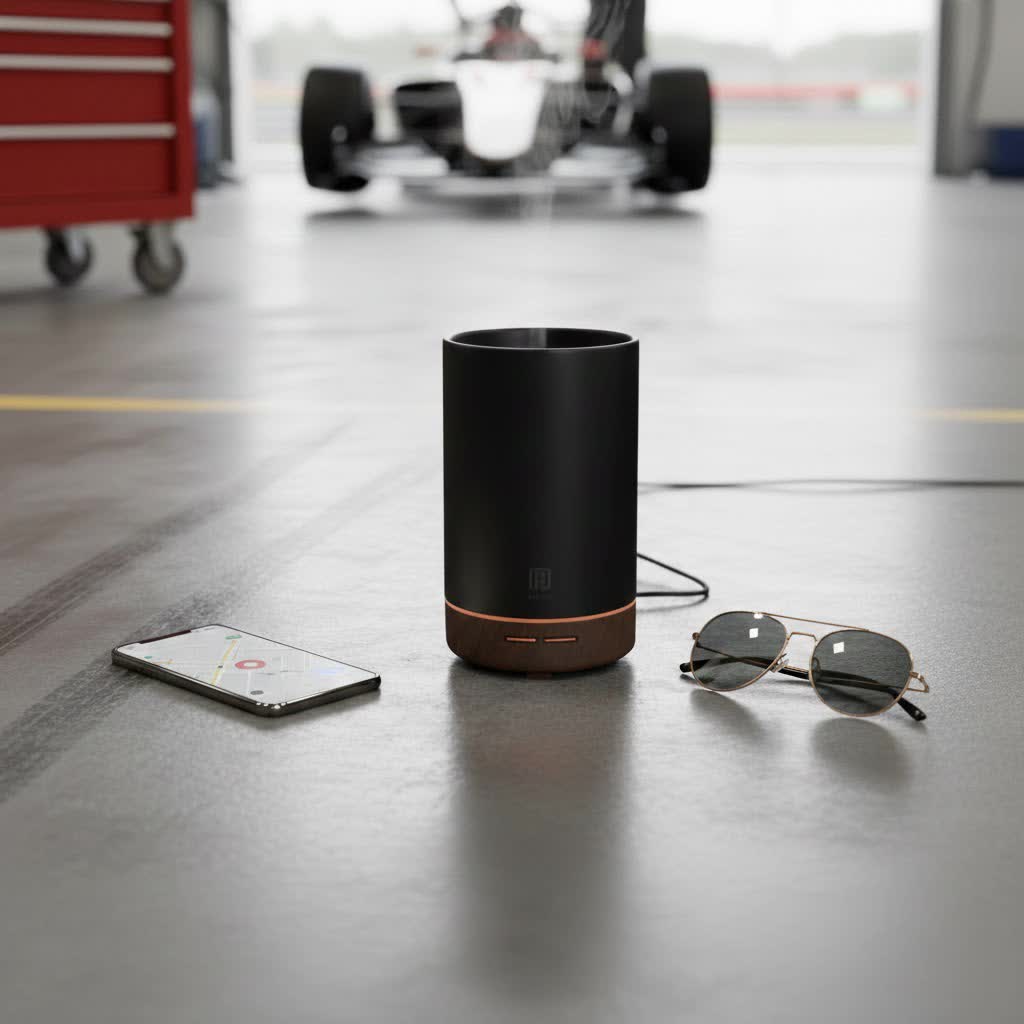
Whether you’re new to the world of aromatherapy or seeking to upgrade your current setup, understanding the nuances of electric diffusers is key to unlocking their full potential. From enhancing air quality to improving sleep and reducing stress, these modern marvels are designed to integrate seamlessly into your daily routine, bringing nature’s best right into your home. This comprehensive guide will walk you through everything you need to know about choosing, using, and maintaining the perfect electric essential oil diffuser for your unique needs.
What is an Electric Essential Oil Diffuser?
An electric essential oil diffuser is a device designed to disperse microscopic particles of essential oils into the surrounding air, leveraging electrical power rather than traditional heat sources like candles. These devices effectively atomize or vaporize essential oils, allowing their aromatic and therapeutic compounds to be inhaled and absorbed, creating a fragrant and beneficial environment.
The concept of diffusing aromas for well-being dates back centuries, utilizing methods like burning herbs or applying oils to porous materials. However, modern electric diffusers emerged as technology advanced, offering safer, more efficient, and customizable ways to enjoy essential oils. Early electronic models laid the groundwork for the diverse range of sophisticated devices available today, which feature advanced controls, aesthetic designs, and varying diffusion technologies. Today, they are a staple in homes, offices, and wellness centers for convenient and effective aromatherapy.
The market now offers several main types of electric diffusers, each employing a distinct mechanism to release essential oils. These include ultrasonic, nebulizing, evaporative, and electric heat diffusers, each with unique advantages tailored to different preferences and purposes. Understanding these differences is crucial for selecting a device that aligns with your specific aromatherapy goals and lifestyle.
Benefits of Using an Electric Essential Oil Diffuser
Electric essential oil diffusers offer a wealth of advantages that extend beyond just a pleasant scent, contributing significantly to both your physical and emotional well-being. Incorporating one into your daily routine can bring about remarkable positive changes in your home environment and personal health.
One significant benefit is the improvement of indoor air quality. Many essential oils possess natural antimicrobial, antibacterial, and antifungal properties. When diffused, these oils can help neutralize airborne pathogens, reduce allergens, and purify the air, making your home a healthier space, especially during colder months or allergy seasons.
Beyond air purification, diffusers are powerful tools for reducing stress, easing anxiety, and enhancing sleep quality. Essential oils like lavender, chamomile, and frankincense are renowned for their calming effects. Diffusing these oils before bedtime can signal your body to relax, facilitating a deeper and more restorative sleep. During stressful periods, specific blends can help calm the nervous system, promoting a sense of peace and tranquility.
Certain essential oils, such as eucalyptus, peppermint, and tea tree oil, are known to support the immune system and respiratory health. Diffusing them can help clear nasal passages, alleviate symptoms of colds and congestion, and provide relief from seasonal discomforts, acting as a natural complement to conventional remedies. Moreover, ultrasonic diffusers often double as mini-humidifiers, adding beneficial moisture to dry indoor air, which can further aid respiratory comfort and skin hydration.
Electric diffusers also excel at creating a desired ambiance and a fresh, inviting aroma in any space. Unlike synthetic air fresheners that merely mask odors, essential oils naturally purify and infuse the air with authentic, complex fragrances. You can tailor the scent to your mood or occasion, whether you desire an invigorating atmosphere for work, a romantic setting for an evening, or a serene environment for meditation. This ability to personalize your surroundings fosters a more enjoyable and harmonized living experience.
> “Electric diffusers provide an unparalleled versatility in aromatherapy, allowing users to precisely control scent intensity and duration, which is crucial for maximizing therapeutic benefits without overwhelming the senses.” – Dr. Evelyn Reed, Aromatherapy Specialist
Types of Electric Essential Oil Diffusers
Electric essential oil diffusers come in various forms, each utilizing a distinct method to disperse essential oils into the air. Understanding these differences is crucial for selecting the right device for your specific needs and preferences.
Ultrasonic Diffuser
Ultrasonic diffusers are the most popular type of electric diffuser, known for their quiet operation and ability to humidify the air.
- How it Works: These diffusers use a small ceramic disc that vibrates at an ultrasonic frequency. This vibration breaks down a mixture of water and essential oil into a fine, cool mist, which is then released into the air. The essential oils are not heated, preserving their therapeutic properties.
- Advantages:
- Quiet Operation: They produce a very faint hum, making them suitable for bedrooms or offices.
- Humidification: They add moisture to the air, which can be beneficial in dry climates or during winter.
- Preserves Oil Integrity: No heat is used, ensuring the essential oils retain their full therapeutic benefits.
- Aesthetic Variety: Available in numerous designs, sizes, and colors, often with LED light options.
- Cost-Effective: Generally more budget-friendly than nebulizing diffusers.
- Disadvantages:
- Requires Water: Needs frequent refilling, and using distilled water is often recommended to prevent mineral buildup.
- Less Intense Aroma: The scent can be diluted due to the water, making it less potent than nebulizing diffusers.
- Regular Cleaning: Requires diligent cleaning to prevent mold, mildew, or mineral residue buildup.
- Coverage Area: While many can cover large areas, very large spaces might require multiple units or a more powerful type.
|
Our Picks for the Best Oil Diffuser in 2026
As an Amazon Associate I earn from qualifying purchases.
|
||
| Num | Product | Action |
|---|---|---|
| 1 | ASAKUKI 500ml Premium Essential Oil Diffuser with Remote Control, 5 in 1 Ultrasonic Aromatherapy Fragrant Oil Humidifier Vaporizer, Timer and Auto-Off Switch (White) |

|
| 2 | ASAKUKI Essential Oil Diffuser 500ml, Ultrasonic Aromatherapy Humidifier with Remote Control, 7 LED Colors, Timer & Auto-Off, Large Room Diffuser |
|
| 3 | ASAKUKI 300ML Essential Oil Diffuser, Quiet 5-in-1 Premium Humidifier, Home Fragrance Aroma Diffuser with 7 LED Color Changing Light and Auto-Off Switch -Light Brown - Aroma Diffuser, 5-in-1, Quiet, 7 LED Color Changing Light, Auto-Off Switch, Light Brown |
|
| 4 | URPOWER Essential Oil Diffusers for Home with 7 LED Color Changing Lights, Timer & Auto-Off Ultrasonic Aromatherapy Diffuser Cool Mist Humidifer Scent Diffuser for Bedroom, Office, Yoga |
|
| 5 | SALKING Essential Oil Diffuser (Set of 2), 100ml Small Aromatherapy Diffuser with Auto Shut-Off, Ultrasonic Diffusers for Essential Oils, Cool Mist Humidifier with Warm White Lights, for Office Home - Set of 2, 100ml, Small, Aromatherapy Diffuser, Essential Oils, Cool Mist Humidifier, Warm White Lights, for Office Home |
|
| 6 | Waterless Diffuser for Essential Oil: Mini Battery Scent Diffuser for Room&Home&Car with 9 Colors LED Light - Aroma Cool Mist Machine Dark Black |
|
| 7 | SALKING Essential Oil Diffuser, 100ml Small Aromatherapy Diffuser with Auto Shut-Off Function, Ultrasonic Diffusers for Essential Oils, Cool Mist Humidifier with Warm White Lights, for Office Home - 100ml, Small, Aromatherapy Diffuser, Ultrasonic Diffusers, Essential Oils, Cool Mist Humidifier, Warm White Lights, Office Home |
|
| 8 | 3-in-1 Galaxy Projector Humidifier & Essential Oil Diffuser, 7-Color Rotating Star Night Light with Healing Water Wave Lighting, Aromatherapy for Relaxation & Sleep, for Bedroom Home Decor |
|
| 9 | 300ML Essential Oil Diffuser with 7-Color LED Lights and Remote Control, Modern Minimalist Design, High-Efficiency Ultrasonic Mist Aromatherapy Diffuser for Home - 300ML, Modern Minimalist Design, High-Efficiency, Ultrasonic Mist, for Home |
|
| 10 | Lumixx Diffuser with Aroma Oil, Plug-in Waterless Essential Oil Diffuser, Smart Bluetooth App Control, Covers Up to 800 sq ft, 100ml Capacity, Cold Air Scent Technology, White |
|
Nebulizing Diffuser
Nebulizing diffusers are highly regarded for their ability to deliver a pure, concentrated essential oil aroma without water or heat.
- How it Works: These devices work by blowing air through a specialized glass atomizer. This process creates a vacuum that draws pure essential oil from a reservoir, breaking it down into tiny, dry, concentrated particles that are then released into the air as a fine mist.
- Advantages:
- Pure, Potent Aroma: Disperses undiluted essential oil, leading to a much stronger and more therapeutic scent.
- No Water Required: Eliminates the need for water refills and the potential for mold or mildew.
- No Heat: Preserves the complete chemical integrity and therapeutic properties of the essential oils.
- Excellent for Therapeutic Use: Ideal for targeted aromatherapy benefits due to the high concentration of diffused oil.
- Covers Large Areas: Can effectively scent larger spaces due to the potent output.
- Disadvantages:
- Uses More Oil: Consumes essential oils much faster than ultrasonic diffusers.
- Can be Noisy: The air pump can produce an audible buzzing sound, which might be disruptive for some.
- More Expensive: Typically cost more upfront due to their specialized design and materials (often glass).
- Cleaning Challenges: Can be difficult to clean, especially after using thicker essential oils, which may clog the atomizer.
Evaporative Diffuser
Evaporative diffusers utilize airflow to spread the essential oil scent, often through a fan mechanism.
- How it Works: Essential oils are typically dropped onto an absorbent pad or filter. A fan then blows air across this pad, causing the essential oil to evaporate and disperse its aroma into the room.
- Advantages:
- Portability: Often small, lightweight, and sometimes battery-operated, making them highly portable.
- Ease of Use: Simple to operate, usually just requiring oil on a pad and turning on a fan.
- No Water Needed: Eliminates the need for water and associated maintenance.
- Safe: No heat is involved, making them safe to operate.
- Disadvantages:
- Less Consistent Scent: Lighter essential oil components evaporate first, leading to an aroma that changes over time and is less complex.
- Limited Therapeutic Benefit: The rapid evaporation means the full spectrum of the oil’s components may not be diffused evenly or effectively for deep therapeutic impact.
- Requires Replacement Pads: Ongoing cost for absorbent pads.
- Noise: The fan can produce a noticeable noise.
Heat Diffuser
Electric heat diffusers use gentle warmth to evaporate essential oils, releasing their fragrance into the air.
- How it Works: These diffusers typically have a small dish or pad where essential oils are placed. An electric heating element underneath gently warms the oil, causing it to evaporate and release its aroma.
- Advantages:
- Quiet Operation: Generally silent as there are no moving parts like fans or ultrasonic discs.
- Effective for Thick Oils: Can easily diffuse thicker essential oils that might clog nebulizers.
- Simple Design: Often very straightforward to use and maintain.
- Can Cover Larger Areas: Depending on the design and heat level, they can effectively scent a considerable space.
- Disadvantages:
- Alters Oil Composition: Heat can change the chemical structure of essential oils, potentially reducing or altering their therapeutic properties and scent profile.
- Less Vibrant Aroma: The aroma might be less “fresh” or vibrant compared to cold diffusion methods.
- Safety Concerns: While electric, some models may pose a slight fire risk if left unattended or if oil spills onto the heating element.
- Cleaning: Can sometimes be challenging to clean stubborn oil residue from the heating plate or dish.
Comparison of Electric Essential Oil Diffusers
Choosing the right electric diffuser involves weighing the pros and cons of each type against your personal preferences and intended use. Here’s a comparative overview:
| Feature | Ultrasonic Diffuser | Nebulizing Diffuser | Evaporative Diffuser (Fan Style) | Electric Heat Diffuser |
|---|---|---|---|---|
| Price Range | $20 – $80 (Generally budget-friendly) | $60 – $200+ (More expensive) | $15 – $50 (Most affordable) | $20 – $70 (Affordable) |
| Noise Level | Very Quiet (Faint hum) | Moderate (Noticeable buzzing sound from pump) | Moderate (Fan noise) | Silent (No moving parts) |
| Diffusion Effectiveness | Good (Fine mist, can humidify) | Excellent (Pure, concentrated aroma) | Fair (Scent dissipates unevenly, less potent) | Good (Consistent scent release, effective for thick oils) |
| Scent Intensity | Moderate (Diluted by water) | Very High (Pure oil, highly concentrated) | Low to Moderate (Depends on oil concentration) | Moderate to High (Can be strong, but altered by heat) |
| Oil Consumption | Low to Moderate (Economical) | High (Uses oil quickly) | Low (Economical) | Low (Economical) |
| Water Requirement | Yes (Requires water reservoir) | No (Uses pure oil) | No (Uses absorbent pads) | No (Uses heating plate/dish) |
| Humidification | Yes (Adds moisture to the air) | No | No | No |
| Ease of Cleaning | Moderate (Requires regular cleaning to prevent buildup) | Difficult (Can clog, intricate glass parts) | Easy (Replace pads, wipe clean) | Easy (Wipe heating plate/dish, can get sticky) |
| Preserves Oil Integrity | Yes (Cold diffusion) | Yes (Cold diffusion) | Partially (Cold diffusion, but uneven evaporation) | No (Heat alters oil composition) |
| Ideal Use Case | Ambient scent, humidification, daily relaxation | Intense therapeutic use, large spaces, strong aroma | Portable, small spaces, mild scent | Ambient scent, low maintenance, for thick oils |
How to Choose an Electric Essential Oil Diffuser
Selecting the perfect electric essential oil diffuser involves considering several factors to ensure it meets your specific needs and enhances your aromatherapy experience. Here’s a buying guide to help you make an informed decision:
Determine Your Usage Needs
Start by evaluating where and how you intend to use the diffuser.
- Room Size: For small rooms (e.g., bedrooms, offices), a compact ultrasonic or evaporative diffuser might suffice. For larger living areas or open-plan spaces, a nebulizing diffuser or a larger ultrasonic model with a higher mist output will be more effective.
- Purpose: Are you primarily seeking relaxation and better sleep? An ultrasonic diffuser with quiet operation and a timer is ideal. For intense therapeutic benefits, such as respiratory support, a nebulizing diffuser delivers a more concentrated stream of pure oil. If you need portable aromatherapy on the go, an evaporative fan diffuser could be the best choice.
- Frequency of Use: If you plan to diffuse frequently or for extended periods, consider models with larger water tanks (for ultrasonic) or direct oil reservoirs (for nebulizing) to reduce refilling.
Choose the Right Diffuser Type
Based on your needs, revisit the “Types of Electric Essential Oil Diffusers” section to match the technology with your preferences.
- Ultrasonic: Best for general aromatherapy, humidification, quiet operation, and cost-effectiveness.
- Nebulizing: Ideal for pure, potent therapeutic effects, strong scent coverage, and no water requirement, but be mindful of higher oil consumption and noise.
- Evaporative: Suited for portability, convenience, and a quick burst of aroma, though less effective for consistent therapeutic benefits.
- Heat: Good for silent operation, diffusing thicker oils, and a consistent scent, but understand that heat can alter oil properties.
Consider Additional Features
Modern diffusers come with a variety of features that can enhance user experience.
- Timer Settings: Allows you to set the diffuser to run for specific intervals (e.g., 1 hour, 3 hours, continuous) and automatically shut off, conserving oil and energy.
- Automatic Shut-off: A crucial safety feature, especially for ultrasonic diffusers, which turns the unit off when the water level is too low.
- LED Lighting: Many diffusers include ambient LED lights with color-changing options, offering an additional visual element for mood enhancement.
- Mist Intensity Settings: Adjustable mist output allows you to control the strength of the aroma and the duration of diffusion.
- Remote Control/App Connectivity: For ultimate convenience, some advanced models can be controlled remotely or via smartphone apps, allowing you to adjust settings without getting up.
- Materials and Design: Consider the aesthetics and durability. Ceramic, glass, and BPA-free plastics are common. Choose a design that complements your home decor.
Prioritize Reputable Brands and Quality
Investing in a diffuser from a well-known and respected brand often translates to better product quality, reliability, and customer support. Look for brands known for their commitment to safety standards and durable construction. High-quality diffusers are less prone to malfunctions and often come with better warranties.
Read User Reviews
Before making a final decision, always read reviews from other users. Real-world feedback can provide valuable insights into a diffuser’s performance, durability, ease of cleaning, and any potential quirks not highlighted in product descriptions. Look for common themes in both positive and negative reviews to gauge overall satisfaction.
Top Electric Essential Oil Diffusers
While specific product recommendations are outside the scope of this general guide, understanding what makes an electric essential oil diffuser “top-tier” can help you identify excellent models on the market. The best diffusers typically combine efficient diffusion technology with user-friendly features, durable construction, and aesthetic appeal.
When looking for a top electric essential oil diffuser, consider models that consistently receive high ratings for:
- Reliable Performance: A top ultrasonic diffuser will produce a consistent, fine mist without sputtering or failing prematurely. Nebulizing diffusers should deliver a strong, pure scent without excessive noise or clogging.
- Effective Coverage: The best diffusers are able to effectively scent the intended room size, whether it’s a small office or a large living area, as specified by the manufacturer.
- User-Friendly Features: Look for intuitive controls, easy-to-fill reservoirs, and reliable timer settings. Features like automatic shut-off are essential for safety and peace of mind. Some premium models offer smart features like app control or voice assistant compatibility for added convenience.
- Quality Materials: Diffusers made from durable, safe materials like high-grade BPA-free plastic, ceramic, or glass often last longer and maintain their appearance. A solid build indicates a product designed for longevity.
- Quiet Operation: Especially for bedroom or office use, a top-rated diffuser will operate with minimal noise, ensuring it doesn’t disrupt your peace or concentration.
- Ease of Cleaning: While all diffusers require cleaning, the best designs make this task as simple as possible, with easily accessible components and clear instructions.
Many reputable brands offer a range of electric diffusers, often specializing in one or two types. Researching brands known for their quality in aromatherapy products can lead you to excellent choices that fit your specific budget and needs.
How to Use and Maintain Your Electric Essential Oil Diffuser
Proper usage and regular maintenance are crucial for maximizing the lifespan and effectiveness of your electric essential oil diffuser, as well as ensuring a safe aromatherapy experience.
How to Use Your Electric Essential Oil Diffuser Safely and Effectively
Each diffuser model comes with specific instructions, but here are general guidelines:
- Placement: Choose a flat, stable surface where the diffuser won’t be easily knocked over. Ensure it’s in a well-ventilated area, but not directly under a vent that would disperse the mist too quickly. Keep it out of reach of children and pets.
- Fill Water (for Ultrasonic Diffusers): Remove the cover and fill the water reservoir to the indicated max fill line. Use clean, cool tap water, or distilled water to minimize mineral buildup. Do not overfill.
- Add Essential Oils: Add 3-5 drops of your chosen essential oil directly into the water (for ultrasonic) or into the designated oil reservoir (for nebulizing/heat diffusers). You can adjust the number of drops based on your desired scent intensity and room size. Start with fewer drops and add more if needed.
- Power On: Replace the cover securely and plug in the diffuser. Select your desired settings, such as mist intensity, timer duration, or LED light options.
- Duration of Diffusion: It’s generally recommended to diffuse essential oils for periods of 15-60 minutes, with breaks in between. Continuous diffusion can overwhelm your senses and may not be necessary for therapeutic benefits. Most diffusers have intermittent settings or timers for this purpose.
- Ventilation: Always ensure the room is adequately ventilated, especially when using more potent essential oils or diffusing for longer periods.
How to Clean and Care for Your Electric Oil Diffuser
Regular cleaning prevents residue buildup and extends the life of your diffuser.
- After Each Use (Ultrasonic):
- Unplug the unit.
- Empty any remaining water from the reservoir, ensuring no water enters the air outlet.
- Wipe the inside of the water tank with a clean cloth or paper towel to remove any essential oil residue.
- Wipe the ceramic disc gently with a cotton swab to keep it clear of buildup.
- Air dry thoroughly before storing or refilling.
- Weekly Deep Clean (All Types, especially Ultrasonic and Nebulizing):
- Ultrasonic: Fill the reservoir with clean water and a teaspoon of white vinegar (for mineral deposits) or rubbing alcohol (for oil residue). Let it run for 5-10 minutes in a well-ventilated area. Then, drain the water, wipe clean, and rinse thoroughly.
- Nebulizing: Carefully remove the glass nebulizer. Clean it by soaking in rubbing alcohol for an hour, then rinsing with warm water. You may use a small brush or cotton swab for hard-to-reach areas. Ensure it’s completely dry before reassembling.
- Evaporative/Heat: For evaporative, replace the absorbent pad regularly. For heat diffusers, wipe the heating plate with a cloth dampened with rubbing alcohol to remove sticky oil residue.
- Important Considerations:
- Unplug Before Cleaning: Always ensure the diffuser is unplugged before cleaning to prevent electric shock.
- Avoid Harsh Chemicals: Do not use abrasive cleaners or harsh detergents, as they can damage the diffuser’s components.
- Use Quality Oils: Low-quality or impure essential oils can leave heavy residue and clog diffusers more easily. Invest in pure, therapeutic-grade essential oils.
- Storage: If storing for an extended period, ensure the diffuser is completely clean and dry.
Conclusion
Electric essential oil diffusers are more than just devices for pleasant aromas; they are powerful tools for enhancing your home environment and supporting your overall well-being. From the gentle humidifying mist of an ultrasonic diffuser to the potent therapeutic punch of a nebulizing model, and the straightforward convenience of evaporative or heat diffusers, there’s a perfect match for every need and preference. By understanding the unique mechanisms and benefits of each type, along with crucial buying considerations and proper maintenance, you can confidently choose a diffuser that integrates seamlessly into your lifestyle. Embrace the world of aromatherapy with an electric essential oil diffuser and unlock a healthier, more serene, and beautifully scented living space.
What steps will you take to incorporate the calming and revitalizing power of essential oils into your daily life?
Frequently Asked Questions
How much essential oil should I put in my electric diffuser?
For most ultrasonic diffusers, start with 3-5 drops of essential oil for a medium-sized room, adjusting up or down based on your desired intensity and the size of your space. Nebulizing diffusers use pure oil, so follow the manufacturer’s recommendations, which often involve adding 10-20 drops directly to the reservoir for concentrated diffusion.
Are electric essential oil diffusers safe to leave on overnight?
Many electric diffusers, especially ultrasonic models, come with automatic shut-off features that activate when the water runs out or after a set timer, making them generally safe for overnight use. However, it’s always best to check your specific model’s safety features and usage guidelines.
Can electric diffusers also humidify the air?
Yes, ultrasonic essential oil diffusers release a fine mist of water along with the essential oil, which can contribute to increasing the humidity in a room. This can be particularly beneficial in dry environments, helping with respiratory comfort and skin hydration.
How often should I clean my electric essential oil diffuser?
For optimal performance and hygiene, it’s recommended to wipe down your ultrasonic diffuser after each use and perform a deeper clean with water and white vinegar or rubbing alcohol at least once a week. Nebulizing diffusers should be cleaned regularly, especially after using thicker oils, to prevent clogging.
What kind of essential oils should I use with my electric diffuser?
Always use 100% pure, therapeutic-grade essential oils from reputable sources to ensure safety and effectiveness. Avoid synthetic fragrance oils or diluted products, as they may contain chemicals that can harm your health or damage your diffuser.
Can I use different essential oils in the same diffuser?
Yes, you can absolutely switch between different essential oils or blends in your diffuser. Just ensure you clean the diffuser thoroughly between uses, especially when changing to a significantly different scent, to prevent mixing aromas and maintain the purity of each oil.
