Transforming your living space into a haven of tranquility, focus, or invigorating freshness can be achieved with the subtle power of an essential oil reed diffuser. As an expert in oil diffusers for over a decade, I understand the profound impact a well-chosen fragrance can have on your daily life. This guide will delve into everything you need to know about these elegant, flame-free devices, helping you discover the perfect scent solution for your home or office.
What is an Essential Oil Reed Diffuser?
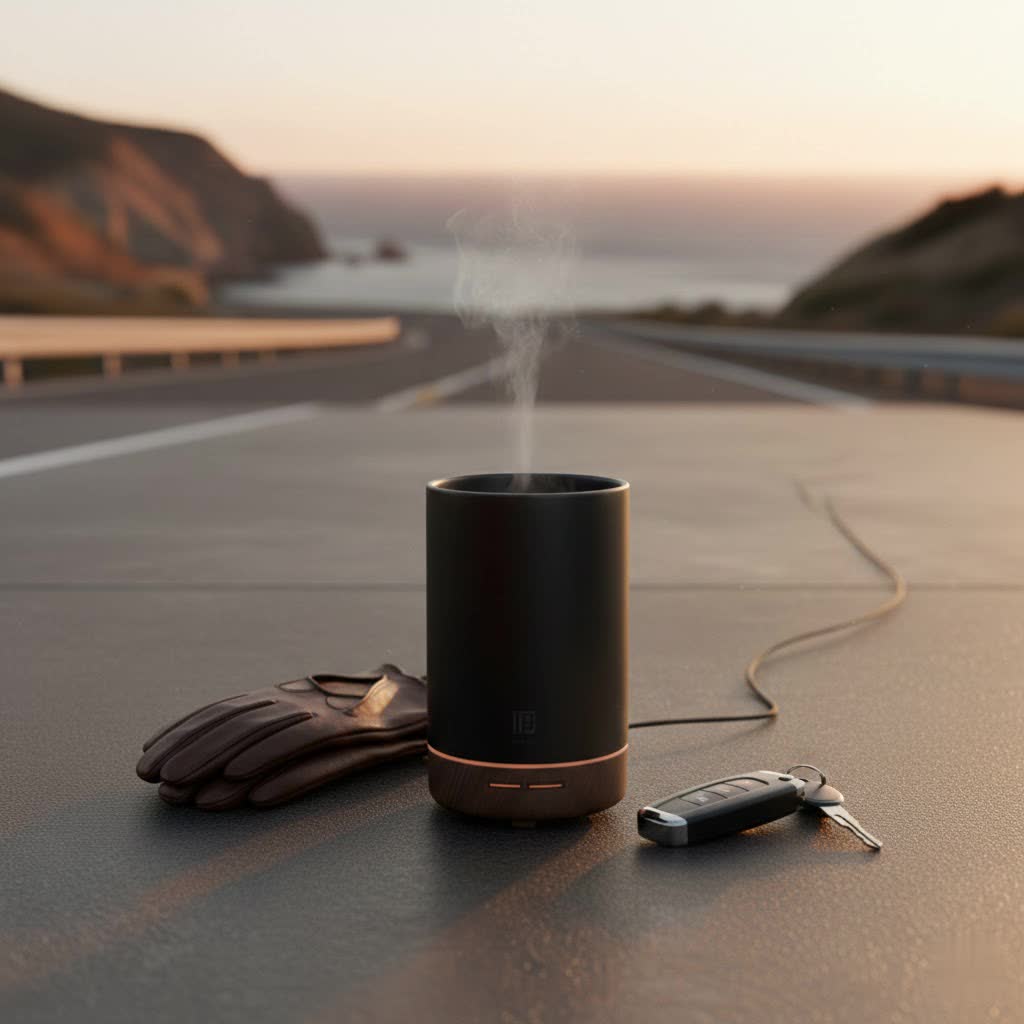
An essential oil reed diffuser is a simple yet sophisticated device designed to release continuous, subtle fragrance into a room without the need for electricity or an open flame. It typically consists of a decorative vessel, usually made of glass or ceramic, filled with a blend of essential oils and a carrier solution. Porous reed sticks, traditionally crafted from natural materials like rattan or bamboo, are then inserted into this oil mixture. These reeds absorb the scented liquid and naturally diffuse the aroma into the surrounding air.
The concept of infusing spaces with natural scents has ancient roots, with various cultures using botanical extracts for ceremonies, healing, and personal enjoyment. The modern reed diffuser evolved as a safe and convenient method to passively disperse these beneficial aromas, making aromatherapy more accessible for everyday wellness.
Benefits of Using an Essential Oil Reed Diffuser
Integrating an essential oil reed diffuser into your environment offers a myriad of advantages that extend beyond just a pleasant smell. These benefits contribute to a holistic sense of well-being, enhancing both your physical and mental state.
One of the primary benefits is relaxation and stress relief. Certain essential oils, such as lavender, chamomile, and sandalwood, are renowned for their calming properties. Diffusing these oils can help reduce feelings of stress and anxiety, promoting a serene atmosphere ideal for unwinding after a long day or preparing for restful sleep.
Reed diffusers are also excellent for improving mood and cognitive function. Uplifting scents like bergamot and patchouli can create a more positive ambiance, while invigorating aromas like rosemary, peppermint, and lemon are known to enhance concentration and focus. This makes them perfect for home offices, study areas, or any space where mental clarity is desired.
Acting as a natural air freshener, reed diffusers effectively neutralize unwanted odors, replacing them with pure, natural fragrances. Unlike synthetic air fresheners that merely mask smells and may contain harsh chemicals, essential oil reed diffusers offer a healthier and more sustainable way to keep your home smelling delightful.
A significant advantage of reed diffusers is their high safety profile. With no open flame, electrical components, or heat required, they are a safer alternative to candles or electric diffusers, especially in homes with children or pets. They also produce a clean, smoke-free fragrance, contributing to better indoor air quality.
Furthermore, these diffusers are incredibly easy to use and low-maintenance. Once set up, they provide a consistent, long-lasting aroma with minimal effort. You can easily adjust the scent intensity by adding or removing reeds, allowing for a personalized fragrance experience. Their elegant designs also add an aesthetic appeal, seamlessly blending with various interior décor styles.
Understanding Different Types of Oil Diffusers
While this guide focuses on essential oil reed diffusers, it’s helpful to understand the broader landscape of oil diffusers available. Each type utilizes a different mechanism to disperse aroma, offering distinct pros and cons.
Reed Diffusers
Reed diffusers, as discussed, are passive diffusers. They rely on capillary action, where the porous reeds draw the essential oil blend from the vessel and release it into the air through evaporation.
- Advantages: No electricity or heat needed, silent operation, continuous and subtle scent, excellent for creating a consistent background aroma, decorative.
- Disadvantages: Scent intensity is less immediate and harder to control precisely than electric options, oil evaporates over time, slower scent dispersal, not suitable for very large spaces needing a strong, immediate scent.
|
Our Picks for the Best Oil Diffuser in 2026
As an Amazon Associate I earn from qualifying purchases.
|
||
| Num | Product | Action |
|---|---|---|
| 1 | 3-in-1 Galaxy Projector Humidifier & Essential Oil Diffuser, 7-Color Rotating Star Night Light with Healing Water Wave Lighting, Aromatherapy for Relaxation & Sleep, for Bedroom Home Decor |

|
| 2 | ASAKUKI 500ml Premium Essential Oil Diffuser with Remote Control, 5 in 1 Ultrasonic Aromatherapy Fragrant Oil Humidifier Vaporizer, Timer and Auto-Off Switch (White) |
|
| 3 | ASAKUKI Essential Oil Diffuser 500ml, Ultrasonic Aromatherapy Humidifier with Remote Control, 7 LED Colors, Timer & Auto-Off, Large Room Diffuser |
|
| 4 | SALKING Essential Oil Diffuser (Set of 2), 100ml Small Aromatherapy Diffuser with Auto Shut-Off, Ultrasonic Diffusers for Essential Oils, Cool Mist Humidifier with Warm White Lights, for Office Home - Set of 2, 100ml, Small, Aromatherapy Diffuser, Essential Oils, Cool Mist Humidifier, Warm White Lights, for Office Home |
|
| 5 | Waterless Diffuser for Essential Oil: Mini Battery Scent Diffuser for Room&Home&Car with 9 Colors LED Light - Aroma Cool Mist Machine Dark Black |
|
| 6 | SALKING Essential Oil Diffuser, 100ml Small Aromatherapy Diffuser with Auto Shut-Off Function, Ultrasonic Diffusers for Essential Oils, Cool Mist Humidifier with Warm White Lights, for Office Home - 100ml, Small, Aromatherapy Diffuser, Ultrasonic Diffusers, Essential Oils, Cool Mist Humidifier, Warm White Lights, Office Home |
|
| 7 | 300ML Essential Oil Diffuser with 7-Color LED Lights and Remote Control, Modern Minimalist Design, High-Efficiency Ultrasonic Mist Aromatherapy Diffuser for Home - 300ML, Modern Minimalist Design, High-Efficiency, Ultrasonic Mist, for Home |
|
| 8 | ASAKUKI 300ML Essential Oil Diffuser, Quiet 5-in-1 Premium Humidifier, Home Fragrance Aroma Diffuser with 7 LED Color Changing Light and Auto-Off Switch -Light Brown - Aroma Diffuser, 5-in-1, Quiet, 7 LED Color Changing Light, Auto-Off Switch, Light Brown |
|
| 9 | URPOWER Essential Oil Diffusers for Home with 7 LED Color Changing Lights, Timer & Auto-Off Ultrasonic Aromatherapy Diffuser Cool Mist Humidifer Scent Diffuser for Bedroom, Office, Yoga |
|
| 10 | Lumixx Diffuser with Aroma Oil, Plug-in Waterless Essential Oil Diffuser, Smart Bluetooth App Control, Covers Up to 800 sq ft, 100ml Capacity, Cold Air Scent Technology, White |
|
Ultrasonic Diffusers
These popular electric diffusers use high-frequency ultrasonic vibrations to break down water and essential oil into a fine mist, dispersing it into the air.
- Advantages: Act as a humidifier, quiet operation, often have LED lights and timer settings, preserves therapeutic properties of essential oils (no heat).
- Disadvantages: Requires water, needs regular cleaning to prevent mold buildup, requires electricity, mist output can be visible.
Nebulizing Diffusers
Nebulizers are powerful diffusers that use an air pump to atomize pure essential oil into a fine mist without water or heat.
- Advantages: Disperses pure essential oil for potent therapeutic benefits, no water needed, strong scent throw, covers large areas quickly.
- Disadvantages: Can be noisy, uses more essential oil rapidly, typically more expensive, requires electricity, some are fragile (glass components).
Evaporative Diffusers
These diffusers use a fan to blow air through a pad or filter that has been saturated with essential oil, causing the oil to evaporate and scent the air.
- Advantages: Simple and affordable, offers quick scent dispersal, portable options available.
- Disadvantages: The fan can be audible, the lighter notes of essential oils evaporate faster, potentially reducing the overall therapeutic quality over time, requires electricity or batteries.
Heat Diffusers
Heat diffusers use a heat source (often a candle or an electric heating element) to warm the essential oil, causing it to evaporate and release its aroma.
- Advantages: Quiet, good for diffusing thicker oils, can provide a more consistent aroma than some evaporative types.
- Disadvantages: Heat can alter the chemical composition and therapeutic properties of some essential oils, requires electricity (for electric types) or an open flame (for candle-based types).
Comparing Essential Oil Diffusers: A Quick Guide
To help you decide which diffuser type best suits your needs, here’s a comparison based on key criteria:
| Feature | Reed Diffuser | Ultrasonic Diffuser | Nebulizing Diffuser | Evaporative Diffuser | Heat Diffuser |
|---|---|---|---|---|---|
| Scent Strength | Subtle, consistent | Medium to Strong | Very Strong, Pure | Medium | Gentle, consistent |
| Operation | Passive (No power) | Electric (Water/Oil) | Electric (Pure Oil) | Electric (Oil/Fan) | Electric/Candle (Oil) |
| Maintenance | Low (Flip reeds, refill) | Medium (Clean reservoir) | Medium (Clean glass) | Low (Replace pads) | Low (Clean dish) |
| Cost | Low to Medium | Medium | High | Low | Low to Medium |
| Noise Level | Silent | Very Quiet | Can be audible | Can be audible (fan) | Silent |
| Therapeutic Value | Excellent | Excellent | Superior (pure oil) | Good (can lose notes) | Moderate (heat can alter) |
| Coverage Area | Small to Medium | Medium to Large | Large | Small to Medium | Small |
Choosing the Right Essential Oil Reed Diffuser (Buying Guide)
Selecting the ideal essential oil reed diffuser involves considering several factors to ensure it perfectly complements your lifestyle and space.
Determine Your Space and Needs
Consider the size of the room where you intend to place the diffuser. For smaller spaces like bathrooms or offices, a standard reed diffuser is usually sufficient. For larger living areas, you might opt for a larger bottle with more reeds or even use multiple diffusers to achieve the desired scent throw. Also, think about the purpose: do you want relaxation, focus, or simply a fresh aroma? This will guide your essential oil choice.
Select the Right Scent Profile
The fragrance is paramount. You’ll want a scent that matches the mood and atmosphere of the room. Light, fresh fragrances like lavender or citrus are often favored for bedrooms and bathrooms, while deeper scents such as sandalwood or vanilla might be better suited for living rooms and lounges. Always prioritize diffusers that use pure essential oils rather than synthetic fragrances, as essential oils offer genuine therapeutic benefits and are generally safer for your health.
Look for Quality Materials
The quality of the components impacts both performance and longevity. Good reed sticks are typically made from porous materials like rattan or fiber, which are designed to absorb and diffuse oil efficiently. The vessel itself, usually glass or ceramic, should be sturdy and aesthetically pleasing. A narrow opening in the vessel can help slow down the evaporation of the oil, extending its lifespan.
Check for Longevity and Refills
Reed diffusers offer a consistent scent for weeks to months, depending on the oil volume, number of reeds, and environmental factors. Inquire about the typical lifespan of the oil and whether refills are readily available. Opting for brands that offer refills is not only cost-effective but also more environmentally friendly.
Aesthetic and Design
Since reed diffusers are a visible part of your home décor, choose a design that aligns with your personal style. They come in a wide range of shapes, sizes, and colors, from minimalist to ornate. The diffuser should enhance the overall ambiance of your room.
Brand Reputation and Reviews
Before making a purchase, take time to research brands and read user reviews. Reputable brands often use high-quality essential oils and materials, ensuring a better and safer experience. Reviews can offer valuable insights into a product’s effectiveness, longevity, and overall user satisfaction.
Top Essential Oil Reed Diffusers for Your Home
While specific product recommendations can vary based on personal preference and availability, here are qualities to look for in top-performing essential oil reed diffusers:
For a long-lasting, subtle scent, ideal for bedrooms or smaller reading nooks, look for diffusers with high-quality fiber reeds and a well-balanced essential oil blend that promises extended evaporation time. These often come in elegant, understated glass vessels.
If you need a stronger throw for larger living areas, consider diffusers with a greater number of reeds and a larger oil volume. Certain essential oil blends, like citrus or eucalyptus, naturally have a more expansive aroma. Look for reviews that specifically mention good coverage in open-plan spaces.
For those who value aesthetic appeal, many brands offer reed diffusers in beautifully designed ceramic or colored glass vessels that double as decorative accents. These often feature premium essential oil blends, making them a luxurious addition to any room. Brands focusing on pure, natural ingredients are always a superior choice.
Maximizing Your Essential Oil Reed Diffuser Experience: Usage and Care
To ensure your essential oil reed diffuser performs optimally and safely, follow these simple usage and care guidelines.
When setting up your diffuser for the first time, carefully uncap the vessel and insert the reeds into the essential oil solution. Allow the reeds to soak for about an hour, then flip them over so the saturated ends are exposed to the air. This initial flip kickstarts the diffusion process. For a lighter scent, use fewer reeds; for a stronger aroma, add more. Remember that more reeds will also mean the oil depletes faster.
Strategic placement is key. Position your reed diffuser in the center of a room, preferably on a stable, flat surface where air can circulate freely around it. Avoid placing it in direct sunlight or near heat sources, as this can cause the oil to evaporate too quickly. Also, keep it out of high-traffic areas where it might be easily knocked over.
Regular maintenance is straightforward. Flip the reeds periodically, typically once a week or whenever you notice the scent diminishing, to refresh the aroma. When the oil level gets low, it’s time for a refill. When changing scents or refilling, it’s a good practice to gently clean the vessel with warm, soapy water to remove any residue and ensure a pure fragrance. Always use new reeds with each new bottle of oil or refill, as old reeds can become saturated and lose their effectiveness.
Safety precautions are crucial. Always keep the diffuser out of reach of children and pets. Essential oils, even when diluted, can be harmful if ingested or if they come into direct contact with skin or eyes in concentrated forms. In case of spills, clean them immediately, as the oils can damage finished surfaces and fabrics.
Conclusion
Essential oil reed diffusers offer an elegant, safe, and effective way to infuse your home with the therapeutic benefits and delightful fragrances of nature. From promoting relaxation and improving focus to simply freshening the air, these passive diffusers provide a continuous and subtle aromatic experience with minimal effort. By understanding how they work, recognizing their unique benefits, and choosing a quality product, you can effortlessly elevate your environment. Start your aromatherapy journey with an essential oil reed diffuser today and discover the profound difference it can make in creating your ideal atmosphere.
What delightful essential oil blend will you choose to transform your space?
Frequently Asked Questions
How often should I flip the reeds in my essential oil reed diffuser?
It is recommended to flip the reeds about once a week to refresh the scent and maintain optimal diffusion. However, you can adjust this frequency based on your desired scent intensity and how quickly the fragrance dissipates.
How long do essential oil reed diffusers typically last?
The lifespan of a reed diffuser varies depending on the size of the bottle, the number of reeds used, and environmental factors like room temperature and airflow. Generally, a typical diffuser can last anywhere from one to several months.
Can I use any essential oil in my reed diffuser?
While you can use various essential oils, it’s crucial to ensure they are properly diluted with a carrier oil specifically formulated for reed diffusers. Pure essential oils are too concentrated and may not diffuse effectively on their own, or they could damage the reeds or vessel.
What’s the main difference between a reed diffuser and an ultrasonic diffuser?
A reed diffuser is a passive, non-electric device that disperses scent through capillary action in porous reeds, offering a subtle, continuous aroma. An ultrasonic diffuser is electric, uses water and high-frequency vibrations to create a fine, scented mist, often acting as a humidifier and offering stronger, more immediate scent release.
Are essential oil reed diffusers safe for pets?
While reed diffusers are flame-free, it’s important to exercise caution with pets. Some essential oils are toxic to animals if ingested or absorbed through the skin. Research specific essential oils and place diffusers in areas inaccessible to pets to prevent accidental exposure.
