Are you seeking a natural way to transform your home into a sanctuary of peace, focus, or invigoration? Essential oil diffusers have become a cornerstone of modern wellness, offering a simple yet profound method to harness nature’s aromatic power. Far beyond just pleasant scents, these devices can significantly impact your physical and emotional state. This comprehensive guide, crafted by an expert with over a decade in aromatherapy, will navigate you through the world of essential oil diffusers, from understanding their mechanics and myriad benefits to choosing, using, and maintaining the perfect one for your unique lifestyle.
What is an Essential Oil Diffuser?
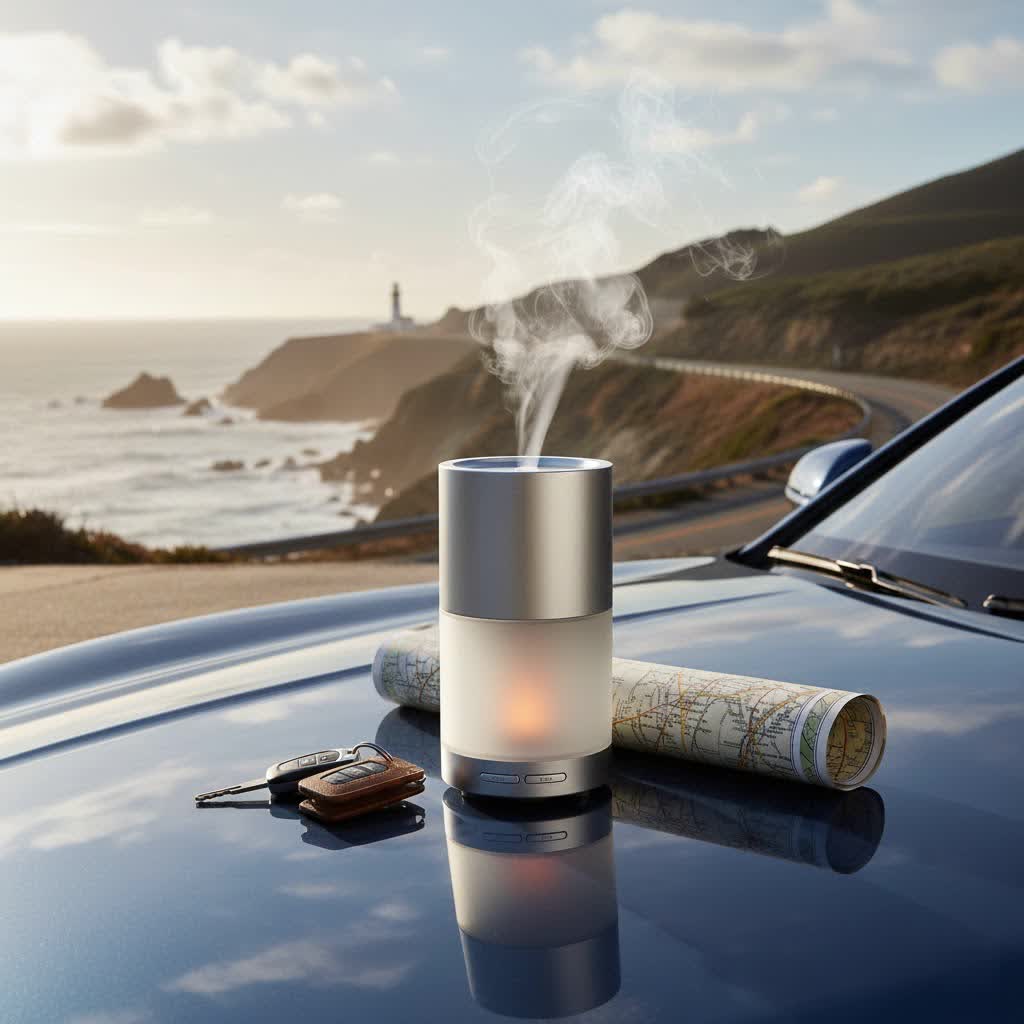
An essential oil diffuser is a device designed to disperse microscopic particles of essential oils into the air, allowing you to inhale their therapeutic aromas and experience their wide-ranging benefits. Historically, aromatherapy involved simpler methods like direct inhalation or applying oils to absorbent materials. Modern diffusers, however, have evolved into sophisticated tools that efficiently and safely deliver these aromatic compounds throughout your space. They represent a significant advancement in making the ancient practice of aromatherapy accessible and convenient for daily life.
These devices work by transforming concentrated essential oils into a fine mist or vapor, which then circulates in the room. This process allows the volatile aromatic molecules to interact with your olfactory system, sending signals to the brain that can influence mood, stress levels, and various physiological functions.
Benefits of Using an Essential Oil Diffuser
Integrating an essential oil diffuser into your daily routine can unlock a wealth of benefits, impacting both your physical environment and personal well-being.
- Improve Indoor Air Quality: Certain essential oils possess natural antimicrobial and antifungal properties. When diffused, their volatile molecules can help purify the air by neutralizing airborne pathogens and odors, making it difficult for bacteria, yeast, and even mold to thrive. Oils like clove, tea tree, citrus, lavender, and eucalyptus are particularly effective in this regard.
- Reduce Stress, Anxiety, and Improve Mood: The inhalation of essential oils directly impacts the limbic system, the brain’s emotional center, which is connected to areas controlling heart rate, blood pressure, memory, and stress levels. This explains why specific scents can immediately influence mood, promoting relaxation and reducing feelings of stress and anxiety. For instance, lavender, ylang-ylang, and rosemary are renowned for their anxiolytic (anxiety-reducing) properties, while citrus oils like bergamot and sweet orange can uplift your spirits and increase feelings of happiness.
- Enhance Sleep Quality: Many individuals struggle with sleep due to stress and anxiety. Diffusing calming essential oils before bed or during the night can promote relaxation, making it easier to fall asleep and stay asleep. The soothing properties of oils like vetiver, cedarwood, and lavender contribute to a tranquil environment conducive to restorative sleep.
- Boost Focus and Concentration: Fragrances can have a stimulating effect on the brain, enhancing cognitive function. Creating a calming and focused environment with an electric scent diffuser can be a game-changer for individuals seeking to improve concentration and productivity. Peppermint oil, for example, is known to boost alertness, while rosemary oil can enhance memory and focus. Lemon oil’s invigorating aroma also promotes mental clarity.
- Support Immune System and Overall Well-being: Essential oils can provide holistic mind-body support, including modulating the immune system and inflammation. They assist the body in detoxifying by supporting enzyme pathways, protect cellular and mitochondrial health through antioxidant action, and can even mitigate infections through their antimicrobial and antiviral effects.
Popular Types of Essential Oil Diffusers
The market offers a diverse array of essential oil diffusers, each employing a distinct method to disperse aromas. Understanding their differences is key to selecting the best fit for your needs.
Ultrasonic Diffuser
Ultrasonic diffusers are the most common type, recognized for their quiet operation and ability to double as humidifiers.
- How They Work: These diffusers use high-frequency ultrasonic vibrations from a small disc or membrane to break down a mixture of water and essential oils into an ultra-fine, cool mist. This mist is then dispersed into the air, filling the room with fragrance.
- Pros:
- Preserves Oil Integrity: Since no heat is used, the therapeutic properties of the essential oils remain intact.
- Humidifies the Air: Adds beneficial moisture to the air, which can be particularly helpful in dry climates or during winter.
- Quiet Operation: They operate almost silently, making them ideal for bedrooms, offices, or other quiet spaces.
- Customizable Settings: Many models offer adjustable mist and light settings, including automatic shut-off features.
- Cons:
- Requires Water: Regular refilling of the water tank is necessary.
- Less Potent Aroma: The aroma may be less concentrated compared to nebulizing diffusers, as the oils are diluted with water.
- Cleaning Maintenance: Requires regular cleaning to prevent mineral buildup, mold, and mildew.
|
Our Picks for the Best Oil Diffuser in 2026
As an Amazon Associate I earn from qualifying purchases.
|
||
| Num | Product | Action |
|---|---|---|
| 1 | 3-in-1 Galaxy Projector Humidifier & Essential Oil Diffuser, 7-Color Rotating Star Night Light with Healing Water Wave Lighting, Aromatherapy for Relaxation & Sleep, for Bedroom Home Decor |

|
| 2 | ASAKUKI Essential Oil Diffuser 500ml, Ultrasonic Aromatherapy Humidifier with Remote Control, 7 LED Colors, Timer & Auto-Off, Large Room Diffuser |
|
| 3 | 300ML Essential Oil Diffuser with 7-Color LED Lights and Remote Control, Modern Minimalist Design, High-Efficiency Ultrasonic Mist Aromatherapy Diffuser for Home - 300ML, Modern Minimalist Design, High-Efficiency, Ultrasonic Mist, for Home |
|
| 4 | SALKING Essential Oil Diffuser, 100ml Small Aromatherapy Diffuser with Auto Shut-Off Function, Ultrasonic Diffusers for Essential Oils, Cool Mist Humidifier with Warm White Lights, for Office Home - 100ml, Small, Aromatherapy Diffuser, Ultrasonic Diffusers, Essential Oils, Cool Mist Humidifier, Warm White Lights, Office Home |
|
| 5 | Waterless Diffuser for Essential Oil: Mini Battery Scent Diffuser for Room&Home&Car with 9 Colors LED Light - Aroma Cool Mist Machine Dark Black |
|
| 6 | ASAKUKI 300ML Essential Oil Diffuser, Quiet 5-in-1 Premium Humidifier, Home Fragrance Aroma Diffuser with 7 LED Color Changing Light and Auto-Off Switch -Light Brown - Aroma Diffuser, 5-in-1, Quiet, 7 LED Color Changing Light, Auto-Off Switch, Light Brown |
|
| 7 | SALKING Essential Oil Diffuser (Set of 2), 100ml Small Aromatherapy Diffuser with Auto Shut-Off, Ultrasonic Diffusers for Essential Oils, Cool Mist Humidifier with Warm White Lights, for Office Home - Set of 2, 100ml, Small, Aromatherapy Diffuser, Essential Oils, Cool Mist Humidifier, Warm White Lights, for Office Home |
|
| 8 | Lumixx Diffuser with Aroma Oil, Plug-in Waterless Essential Oil Diffuser, Smart Bluetooth App Control, Covers Up to 800 sq ft, 100ml Capacity, Cold Air Scent Technology, White |
|
| 9 | URPOWER Essential Oil Diffusers for Home with 7 LED Color Changing Lights, Timer & Auto-Off Ultrasonic Aromatherapy Diffuser Cool Mist Humidifer Scent Diffuser for Bedroom, Office, Yoga |
|
| 10 | ASAKUKI 500ml Premium Essential Oil Diffuser with Remote Control, 5 in 1 Ultrasonic Aromatherapy Fragrant Oil Humidifier Vaporizer, Timer and Auto-Off Switch (White) |
|
Nebulizing Diffuser
Nebulizing diffusers are favored for delivering a pure and highly concentrated aroma, often preferred by aromatherapy purists.
- How They Work: Unlike ultrasonic diffusers, nebulizers do not use water or heat. Instead, they use pressurized air and a jet nozzle to atomize pure essential oils into a very fine, potent mist, which is then dispersed directly into the air.
- Pros:
- Potent Aroma: Provides a strong, concentrated aroma without diluting the oils, offering a powerful therapeutic experience.
- No Water Needed: Uses pure essential oils directly, eliminating the need for water refills and reducing the risk of mold.
- Preserves Oil Quality: As no heat or water is involved, the chemical composition and therapeutic properties of the oils are fully preserved.
- Cons:
- Louder Operation: Can be noisier than ultrasonic diffusers due to the air pump mechanism.
- Higher Oil Consumption: Uses essential oils more quickly, which can make them more expensive to operate over time.
- Higher Initial Cost: Generally more expensive to purchase than other types of diffusers.
- Cleaning: Can be tricky to clean, especially with thicker oils.
Evaporative Diffuser
Evaporative diffusers offer a simple and portable solution for scenting smaller spaces.
- How They Work: These diffusers utilize a fan to blow air through an absorbent pad or filter soaked with essential oils. As the air passes over the pad, the essential oil evaporates and disperses its fragrance into the air. Passive diffusers, like reed diffusers, also fall into this category, relying on natural air currents and capillary action through reeds to release scent without electricity or fans.
- Pros:
- Simple to Use: Easy to set up and requires minimal maintenance.
- Portable: Often small and battery-operated, making them convenient for personal use or travel.
- Quick Aroma: Provides a quick burst of fragrance.
- No Electricity/Heat (for passive types): Reed diffusers require no power, making them safe and versatile.
- Cons:
- Uneven Dispersion: Lighter essential oil components tend to evaporate and disperse more quickly than heavier ones, potentially leading to an uneven therapeutic experience.
- Less Effective for Large Spaces: Best suited for smaller areas, as they may not effectively scent larger rooms.
- Pad Replacements: Fan diffusers require regular replacement of absorbent pads.
- Scent Fades (for passive types): Fragrance throw can weaken over time as reeds dry out or oils evaporate.
Heat Diffuser
Heat diffusers are an economical and often silent way to release essential oil aromas.
- How They Work: Heat diffusers use a gentle heat source (either a candle, a warming plate, or an electric element) to warm essential oils, causing them to evaporate and release their aroma into the air. Some models use oil mixed with water, while others heat the pure oil.
- Pros:
- Affordable: Generally more budget-friendly than other diffuser types.
- Quiet Operation: Operates silently, making them suitable for environments where noise is a concern.
- Easy to Use: Simple setup and straightforward operation.
- Cons:
- May Alter Oil Properties: Higher heat can potentially alter the chemical composition of essential oils, which may reduce their therapeutic benefits. Low-heat options are better for preserving oil integrity.
- Risk of Overheating/Safety Concerns: Depending on the design, some heat diffusers can pose a risk of overheating or spills, especially if using an open flame.
- Limited Coverage: Best for smaller spaces as their diffusion power is often less potent than other types.
- Less Control Over Aroma Intensity: Can be harder to regulate the strength of the scent.
Comparing Essential Oil Diffusers
To help you decide, here’s a detailed comparison of the main essential oil diffuser types:
| Feature | Ultrasonic Diffuser | Nebulizing Diffuser | Evaporative Diffuser | Heat Diffuser |
|---|---|---|---|---|
| Price | Moderate | High | Low to Moderate | Low |
| Noise Level | Very Quiet (minimal hum) | Can be Loud (air pump) | Quiet (gentle fan noise for active types, silent for passive) | Silent |
| Diffusion Effectiveness | Good, fine mist, humidifies | Excellent, pure, concentrated aroma | Moderate, best for small spaces | Moderate, consistent for small spaces |
| Ease of Cleaning | Moderate (requires regular cleaning to prevent buildup) | Moderate (can be tricky with thick oils) | Easy (pad replacement for active, minimal for passive) | Easy (wipe clean) |
| Water Requirement | Yes, uses water tank | No, uses pure oil | No (for fan diffusers), No (for passive/reed) | Yes (for some models, mixed with oil), No (for others) |
| Therapeutic Integrity | Preserved (no heat) | Fully Preserved (no heat or water) | Partially compromised (lighter notes diffuse faster) | Potentially compromised (heat can alter oils) |
| Coverage Area | Small to Medium rooms | Medium to Large rooms (most potent) | Small, personal spaces | Small rooms |
| Run Time | Several hours (4-8+ hours with auto-shutoff) | Varies (often timed intervals, higher oil consumption) | Varies (battery life, pad longevity) | Several hours (for electric), continuous (reed) |
How to Choose the Right Essential Oil Diffuser (Buying Guide)
Selecting an essential oil diffuser that perfectly aligns with your needs requires thoughtful consideration. Here’s a guide to help you make an informed decision:
Assess Your Needs
Before diving into models, clarify what you want your diffuser to achieve and where it will be placed.
- Room Size: For smaller, personal spaces like an office desk or nightstand, an evaporative or small ultrasonic diffuser might suffice. Larger living areas or open-plan homes may require a powerful ultrasonic or nebulizing diffuser.
- Purpose of Use:
- Relaxation & Sleep: Look for quiet ultrasonic diffusers with soothing LED lights and timer functions.
- Focus & Energy: Nebulizing diffusers offer potent, undiluted aromas that can be highly stimulating.
- Humidification: Ultrasonic diffusers add moisture to the air, beneficial in dry environments.
- Pure Aromatherapy: Nebulizing diffusers ensure the complete chemical profile of the oil is dispersed.
Consider Diffuser Type
Refer back to the pros and cons of each type to match them with your priorities. If you prioritize quiet operation and humidification, an ultrasonic model is a strong contender. If a strong, pure scent is paramount and you don’t mind a bit of noise or higher oil consumption, a nebulizing diffuser is ideal. For simplicity and portability, evaporative or passive diffusers are great, while heat diffusers are economical for small spaces.
Evaluate Additional Features
Modern diffusers come with a range of features that enhance user experience.
- Timer Settings: Allows you to set the diffuser to run for specific durations (e.g., 1, 3, 6 hours) before automatically shutting off, preventing over-diffusion and conserving oils. Intermittent mist settings can also extend run time and prevent olfactory fatigue.
- LED Lights: Many ultrasonic diffusers include color-changing or static LED lights, which can add to the ambiance and double as a night light.
- Automatic Shut-off: A crucial safety feature that turns off the diffuser when the water level is low or the timer expires, preventing damage to the unit.
- Materials: Look for BPA-free plastics, ceramic, glass, or sustainable wood finishes, especially for ultrasonic diffusers where water contact is constant.
- Coverage Area: Manufacturers usually specify the square footage a diffuser can cover. Ensure it matches your room size.
Choose Reputable Brands and Quality
Investing in a diffuser from a well-known brand often ensures better quality, durability, and customer support. Brands like Saje, Vitruvi, Asakuki, and InnoGear frequently appear on “best of” lists, known for their reliable performance and aesthetic appeal.
Read User Reviews
User reviews offer invaluable insights into real-world performance, ease of use, durability, and any potential drawbacks not immediately apparent from product descriptions. Pay attention to comments regarding noise levels, cleaning difficulty, and actual scent throw.
Top 3 Essential Oil Diffusers
Based on expert evaluations and user feedback, here are three standout essential oil diffusers that cater to different needs and preferences:
1. Saje Aroma Om Diffuser
The Saje Aroma Om is often hailed as a top-tier choice for its elegant design and robust performance, making it an instant décor upgrade while effectively diffusing scents.
- Pros:
- Cool Design & High-Quality Materials: Features an aesthetic ceramic cover and BPA-free plastic water tank, blending seamlessly with various home styles.
- Easy to Operate: Simple and intuitive to use, clean, and store.
- Quiet and Efficient: Operates quietly and efficiently, emitting a steady stream of fragrance.
- Functionality: Includes an LED light and automatic shut-off feature.
- Strong Scent Throw: Produces a noticeable scent that fills larger rooms quickly, despite having a relatively small capacity.
- Cons:
- Its powerful diffusion might be too much for those who prefer only a very subtle scent.
- Potentially higher price point than basic models.
- Best For: Individuals seeking a stylish, high-performing diffuser for medium to large spaces, prioritizing both aesthetics and strong therapeutic benefits.
2. Asakuki Portable Essential Oil Diffuser (100ml)
For those on a budget or new to essential oil diffusion, the Asakuki Portable Diffuser offers excellent value without compromising performance.
- Pros:
- Great Value & Price Point: Affordable and reliable, making it an excellent entry-level option.
- Simple Design & Quiet Operation: Features a basic plastic covering with a wood-grain bottom, operates quietly, often described as a whisper.
- Even Diffusion: Despite its smaller capacity, it diffuses scents evenly.
- User-Friendly: Easy to operate and clean, with intermittent timer and automatic shut-off.
- Versatile: Offers different light and mist modes.
- Cons:
- Smaller water capacity requires more frequent refills for extended use.
- Its design might be considered “boring” by those seeking more upscale aesthetics.
- Best For: First-time users, those on a budget, or individuals needing a reliable diffuser for smaller rooms or personal spaces.
3. Vitruvi Move Diffuser
The Vitruvi Move Diffuser stands out for its exceptional portability and stylish design, perfect for those who want to enjoy aromatherapy in multiple locations.
- Pros:
- Superior Portability: Wireless design with two different charging methods allows for easy movement between rooms without a power outlet.
- Stylish Design: Made with metal and BPA-free plastic, its modern aesthetic is versatile enough for any space.
- Decent Run Time: Can run for up to eight hours, including an intermittent mist setting.
- Easy to Fill: Wide mouth makes adding water and oils straightforward.
- Cons:
- Small water basin (60ml) means more frequent refills.
- Limited to two-time settings (4 or 8 hours).
- The charging pad can sometimes emit a high-pitched noise.
- Higher price point due to its design and portability features.
- Best For: Users who desire flexibility and elegance, wanting to move their diffuser easily between different areas of their home or office.
Essential Oil Diffuser Usage and Maintenance Guide
Proper usage and consistent maintenance are crucial for maximizing the effectiveness and lifespan of your essential oil diffuser.
How to Use Your Essential Oil Diffuser Safely and Effectively
- Choose the Right Location: Place your diffuser on a flat, stable surface in the center of the room for optimal scent distribution. Keep it away from electronics, direct sunlight, and open windows that might reduce its effectiveness.
- Fill with Water (if applicable): For ultrasonic diffusers, always use clean, room-temperature tap water, distilled water, or purified water. Never exceed the indicated “max fill” line to avoid affecting mist output or damaging the unit.
- Add Essential Oils: Generally, start with 3-5 drops of your chosen essential oil per 100ml of water for smaller rooms, adjusting the quantity based on room size and personal preference. Consult your manufacturer’s instructions for specific guidance. For nebulizing diffusers, add a minimum of 20 drops of pure essential oil.
- Power On & Select Settings: Replace the lid, plug in the diffuser, and select your desired mist intensity and timer settings. Intermittent diffusion (e.g., 30-60 minutes on, 30-60 minutes off) is often recommended to prevent olfactory fatigue and conserve oils, rather than continuous overnight use. Some evidence suggests diffusing intermittently for 30 minutes to an hour per session.
- Intermittent Use: Running the diffuser for too long can have a contrary effect and be costly. You can acclimate to a scent if continuously exposed, reducing its therapeutic effect.
- Safety Precautions:
- Pets and Children: Always research which essential oils are safe to use around pets and young children, as some can be toxic. Place diffusers on high shelves out of reach and ensure good ventilation. The ASPCA recommends caution when using essential oils around pets, particularly cats, as they are more sensitive.
- Ventilation: Ensure adequate ventilation in the room, especially when diffusing potent oils.
- Never Ingest: Essential oils are highly concentrated and should generally not be ingested unless under the guidance of a qualified aromatherapist or healthcare professional.
How to Clean and Maintain Your Essential Oil Diffuser
Regular cleaning prevents residue buildup, ensures efficient operation, and prolongs the life of your diffuser. Always refer to your diffuser’s specific manufacturer instructions.
- Daily Maintenance (for ultrasonic and misting diffusers):
- Unplug and Empty: Always switch off and unplug the diffuser. Remove the cover and empty any remaining water from the reservoir, being careful not to spill into the air outlet.
- Wipe Clean: Rinse the inside of the water chamber thoroughly with clean water to remove any oil residue. Dry with a soft, lint-free cloth. This quick wipe-down is especially important if you’re changing essential oils.
- Weekly/Bi-Weekly Deep Cleaning (for ultrasonic and misting diffusers):
- Repeat Daily Steps.
- Vinegar Soak: Fill the water tank halfway with clean water and add 10-15 drops (or about 2 teaspoons) of pure white vinegar. Vinegar helps break down oil buildup and disinfects.
- Run Briefly: Run the diffuser for 5-15 minutes (some sources say 3-5 minutes) to allow the vinegar solution to circulate and loosen residue.
- Empty and Wipe: Unplug, empty the vinegar solution, and use a cotton swab dipped in vinegar or rubbing alcohol to gently clean the ultrasonic plate/chip at the bottom of the reservoir and any tight crevices. Be careful not to scratch the plate.
- Rinse and Dry: Rinse the tank thoroughly with clean water multiple times to remove any vinegar smell, then wipe dry with a soft cloth.
- Nebulizing Diffuser Maintenance:
- Empty and Alcohol Rinse: Empty any remaining essential oil. Pour about 2ml of 70° or 90° alcohol into the glass reservoir.
- Diffuse Alcohol: Plug in and diffuse the alcohol for 2-5 minutes. This helps clear out concentrated oil residues.
- Empty & Dry: Empty any remaining alcohol and allow to air dry. Never insert objects like metal rods into the glass jar, as this can cause irreparable damage.
- Heat Diffuser Maintenance: Simply wipe the warming plate with a soft, damp cloth after each use or oil change. If oils have dried, use a small amount of 70° or 90° alcohol or white vinegar.
- General Cleaning Tips:
- No Harsh Chemicals: Avoid using soap, aggressive cleaning agents, detergents, petrol, glass cleaner, or other solvents, as they can damage the diffuser.
- Manufacturer’s Instructions: Always consult the user manual for specific cleaning instructions unique to your model.
- Prevent Stagnation: Do not let water and essential oil mixtures stagnate in the tank, as this can lead to residue, mold, or mildew. Empty and wipe after every use.
Conclusion
Essential oil diffusers are more than just devices that scent a room; they are gateways to enhanced well-being, offering a natural and effective way to influence your mood, improve air quality, and support overall health. With various types available – from the quiet, humidifying ultrasonic to the potent, waterless nebulizing, and the simple evaporative or heat diffusers – there’s a perfect match for every need and space. By understanding how these diffusers work, their unique benefits, and following proper usage and maintenance guidelines, you can harness the full potential of aromatherapy.
Ready to embark on your aromatic journey? Choose the essential oil diffuser that best suits your lifestyle and begin experiencing the transformative power of nature’s essences today. Which aroma will you choose to create your ideal atmosphere?
Frequently Asked Questions
How many drops of essential oil should I use in my diffuser?
For most ultrasonic diffusers with a 100ml water capacity, a good starting point is 3-5 drops of essential oil. You can adjust this amount based on your room size, desired scent intensity, and personal sensitivity to aromas. Always check your diffuser’s manual for specific recommendations.
Is it safe to leave an essential oil diffuser running overnight?
While some diffusers have long run times, it’s generally recommended to diffuse essential oils intermittently, such as for 30-60 minutes at a time, rather than continuously overnight. This prevents olfactory fatigue, conserves oils, and ensures you receive optimal therapeutic benefits without overexposure.
Can essential oil diffusers be harmful to pets or children?
Certain essential oils can be toxic to pets (especially cats) and young children if ingested or absorbed. Always research the safety of specific oils around household members and ensure your diffuser is placed out of reach. Good ventilation is also important to prevent concentrated exposure.
What’s the best type of essential oil diffuser for a large room?
For large rooms, a nebulizing diffuser is highly effective as it disperses a concentrated, pure essential oil mist without dilution. High-capacity ultrasonic diffusers (500ml or more) with powerful mist output are also a good option, often providing both scent and humidity for larger areas.
How often should I clean my essential oil diffuser?
Ideally, you should empty and wipe down the water reservoir of your ultrasonic diffuser after every use, especially if you’re changing oils. A deeper clean with white vinegar or rubbing alcohol is recommended weekly or bi-weekly to prevent mineral, oil, or mold buildup and ensure optimal performance.
